Top Climbing Adventures in Salt Lake City, Utah
Salt Lake City Climbing Guide

Top Climbing Adventures in Salt Lake City, Utah

Salt Lake City is a compact climbing capital: granite crack climbs, steep sport faces, accessible boulders and winter ice lines sit within a 30–60 minute drive of downtown. This guide focuses on climbing (trad, sport, bouldering, and ice) around SLC—how to choose your objectives, when to go, and how to plan trips that balance technical challenge with the region’s rugged, high-desert-to-alpine character.

Wasatch RangeLittle Cottonwood CanyonBig Cottonwood CanyonCity Creek CanyonAmerican Fork Canyon

Live destination inventory

Top Climbing Trips in Salt Lake City

9 trips · Book with confidence · Instant confirmation

The prototype intentionally does not invent replacement trip cards or add images that are not already part of the live source page.

The city from the water

Why Salt Lake City Is a Standout Climbing Destination

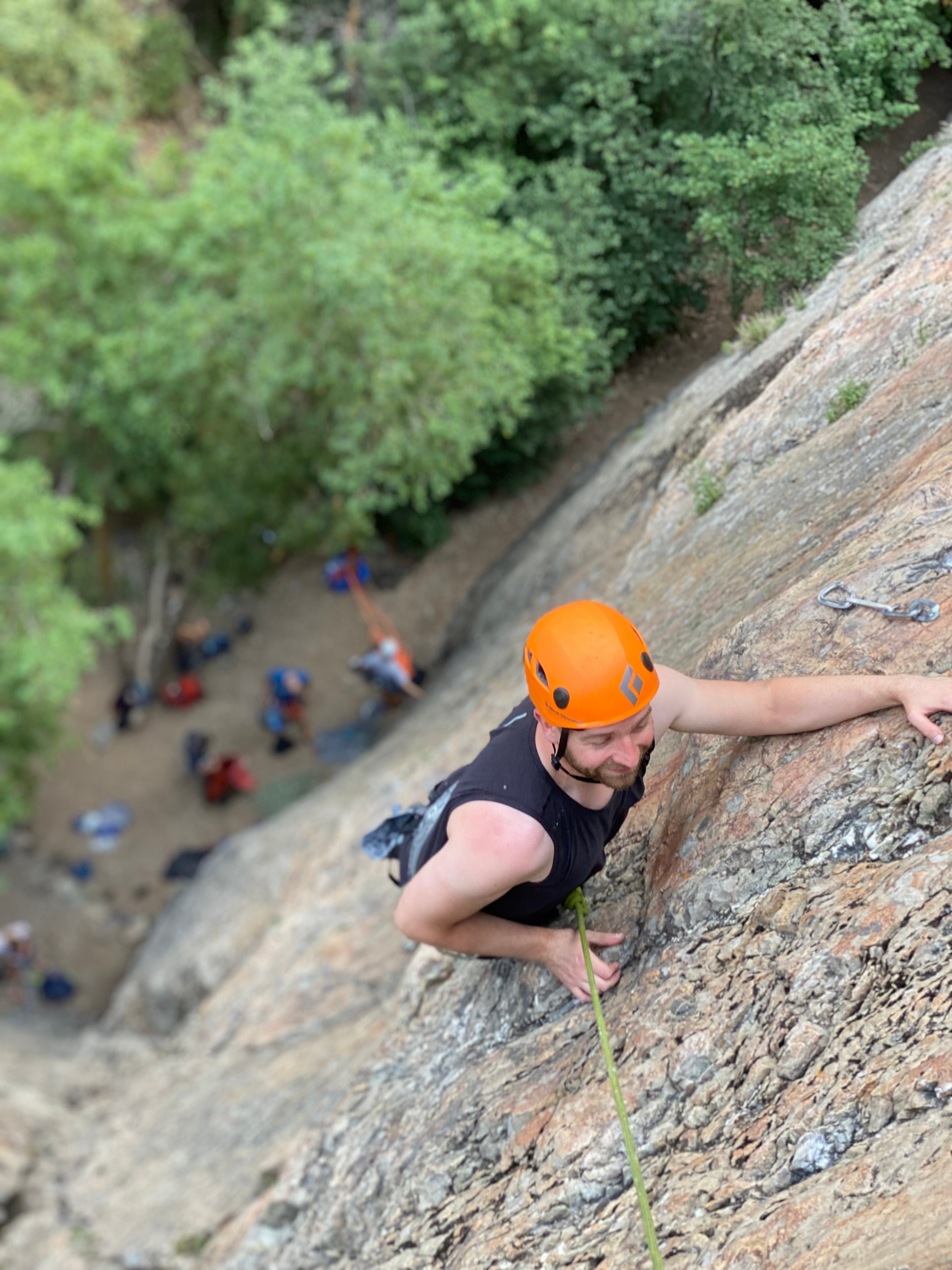
Salt Lake City sits where the Wasatch Range throws up clean, steep granite, and where a climbing culture built on short approaches and high-quality stone has flourished. The city’s climbing is defined by variety: pocketed sport faces and bolted crags, classic crack climbs that demand hands-on trad skills, low-angle slab and face lines that reward balance and footwork, concentrated bouldering clusters, and a surprisingly broad ice season when winter’s cold transforms gullies and waterfalls into vertical blue ribbons. Within a single morning you can warm up on a short sport route in Big Cottonwood Canyon, link a multi-pitch trad pitch in Little Cottonwood Canyon by midday, and finish the afternoon on a sandstone boulder field in the foothills. That proximity—city to crag in half an hour—is the secret of Salt Lake’s appeal. The climbing is as much urban as alpine. Local climbing gyms and guide services create a steady stream of climbers who use Salt Lake as a training base, a launching point, and a social hub. Access is generally straightforward: many crags sit on public land with short, well-marked approaches, though some trailheads require parking passes and a handful of high-demand classic lines see heavy traffic on weekends. The rock itself tends to be clean granite with features that produce secure placements and crisp friction—this makes the area excellent for learning crack techniques and for confident face climbing. In winter, the same canyons that host summer sport routes switch character as ice and mixed lines form; experienced alpinists and ice climbers flock to gullies when conditions permit, and avalanche awareness becomes a critical safety consideration. Culturally, Salt Lake mixes old-school trad ethos with a modern bolt-and-boulder scene. You’ll find local crag ethics emphasizing minimal impact, fixed-anchor maintenance by volunteer groups, and a strong guide community offering skills courses from trad fundamentals to alpine navigation. The climbing season stretches across the calendar depending on objective: spring and fall deliver the most comfortable rock temperatures and stable weather; summer mornings can be excellent at higher elevations if you start early to avoid heat and afternoon storms; winter locks in opportunities for ice, mixed lines, and gym training. For visiting climbers the city offers practical comforts—international airport, plentiful lodging, rental shops, and professional guides—while still feeling like a genuine mountain town where the trailheads are never far and the lore of the Wasatch is visible in every canyon.

Proximity is the advantage: most high-quality crags are a short drive from downtown, making single-day missions and half-day sessions easy to plan.

Rock type—primarily granite—means reliable protection for trad climbers and excellent friction for slab and face techniques; bouldering is concentrated and varied.

The harbor is the gateway, and the Pacific becomes the classroom.

Seasonality shapes objectives: spring/fall for rock, summer for alpine approaches and high-elevation routes, winter for ice—always check conditions and avalanche forecasts.

Activity focus

Choose by purpose

Whale watching, snorkeling, sunset sailing, cultural canoeing, harbor sightseeing, or private chartering.

Departure hubs

Start near the city

Waikiki and Honolulu Harbor are primary hubs, with some trips launching near Hanauma Bay.

Accessibility

Confirm the vessel

Gangways, shaded seating, and boarding requirements vary according to vessel size and operator.
Seasonal planning

Best Time to Visit

Salt Lake City is warm year-round, but wind, swell, migration, visibility, and demand change the best match between traveler and trip.

Salt Lake City boat tour
Year-round destination

Seasonal highlights change the reason to go

Winter favors humpback encounters; warmer, calmer months favor snorkeling visibility and smoother water.

Humpback season

Spring and Fall are busiest for rock climbing; weekends in those months see the highest crag use.

Prime whale watching, winter holidays, higher demand, and earlier sell-outs.

Snorkeling window

April–May–June–September–October

Typically gentler seas and clearer water for snorkeling trips.

Weather notes

Trade winds year-round

Spring and fall deliver the most consistent, comfortable rock temperatures. Summer afternoons bring thunderstorms and heat—start early or head higher. Winter opens ice-climbing lines but brings snow, avalanche risk, and possible trailhead closures.

Quieter opportunities

Late spring & summer weekdays

Winter is prime for ice climbs and mixed routes for experienced parties; indoor gyms and guide-led clinics offer training and partner-finding during colder months.

Match the trip to your comfort

Choose Your Experience Level

Low effort

Beginner

Short approaches, bolted sport crags, and bouldering areas offering low-risk climbs and options to top-rope.

  • Top-rope or sport sessions at beginner-friendly crags in Big Cottonwood Canyon
  • Bouldering warm-ups on low-angled problems near the valley
  • Intro to lead clinics at local climbing gyms
Active day trip

Intermediate

Progress to longer multi-pitch routes, trad crack climbing, and varied slab and face climbs that demand solid footwork and route-finding.

  • Single- to multi-pitch trad routes in Little Cottonwood Canyon
  • Sport-route laps on bolted faces with short approaches
  • Day missions combining cragging and short alpine approaches
Longer or technical

Advanced

Technical multi-pitch granite, long approaches, mixed and ice routes in winter, and high-exposure alpine objectives requiring advanced protection placement and objective-hazard navigation.

  • Multi-pitch trad ascents in the high Wasatch
  • Winter ice and mixed climbs on steep gullies with technical protection
  • Long alpine link-ups that require route-finding and descent skills

Prepare for sun, spray, and swell

What to Bring

Essential

Core kit

  • Climbing harness, shoes, helmet
  • Lead rack for trad climbing or quickdraws for sport (appropriate to objective)
  • Belay device and locking carabiners
  • Appropriate clothing layers for canyon-to-summit temperature changes
  • Water, snacks, and sunscreen
Recommended

Useful extras

  • Topo or beta notes for chosen crag and approach app (or downloaded maps)
  • Guidebook or local route database printouts
  • Light headlamp for late returns
  • Small first-aid kit and tape for finger care
Optional

Trip-specific

  • Crag shoes for bouldering warm-ups
  • Microspikes or crampons for winter approaches
  • Ice tools and screws for ice climbs (seasonal)
  • Permits or parking passes if visiting gated trailheads
Check local trailhead parking rules, avalanche forecasts, and seasonal access before heading out.

Insider Tips & Local Knowledge

Reserve whale-watching and popular sunset cruises well ahead during December–April.
Choose morning snorkeling departures for calmer seas and better underwater visibility.
For motion sensitivity, choose a larger vessel, sit mid-ship, and take preventative medication before boarding.
Do not touch coral or wildlife, avoid standing on reefs, and use reef-safe sunscreen.
Community-based operators may add context about traditional navigation and stewardship.
Arrive early for parking and check-in because Waikiki departure areas can be busy.

Planning questions

Frequently Asked Questions

Most climbing areas are on public land and do not require climbing-specific permits, but some popular trailheads may have parking fees or require forest/parking passes—check local recreation websites before you go.
Top Climbing Adventures in Salt Lake City, Utah
Ready for your climbing adventure?

Browse 9 verified trips in Salt Lake City.

Compare current availability and book with instant confirmation.

Explore Salt Lake City climbing