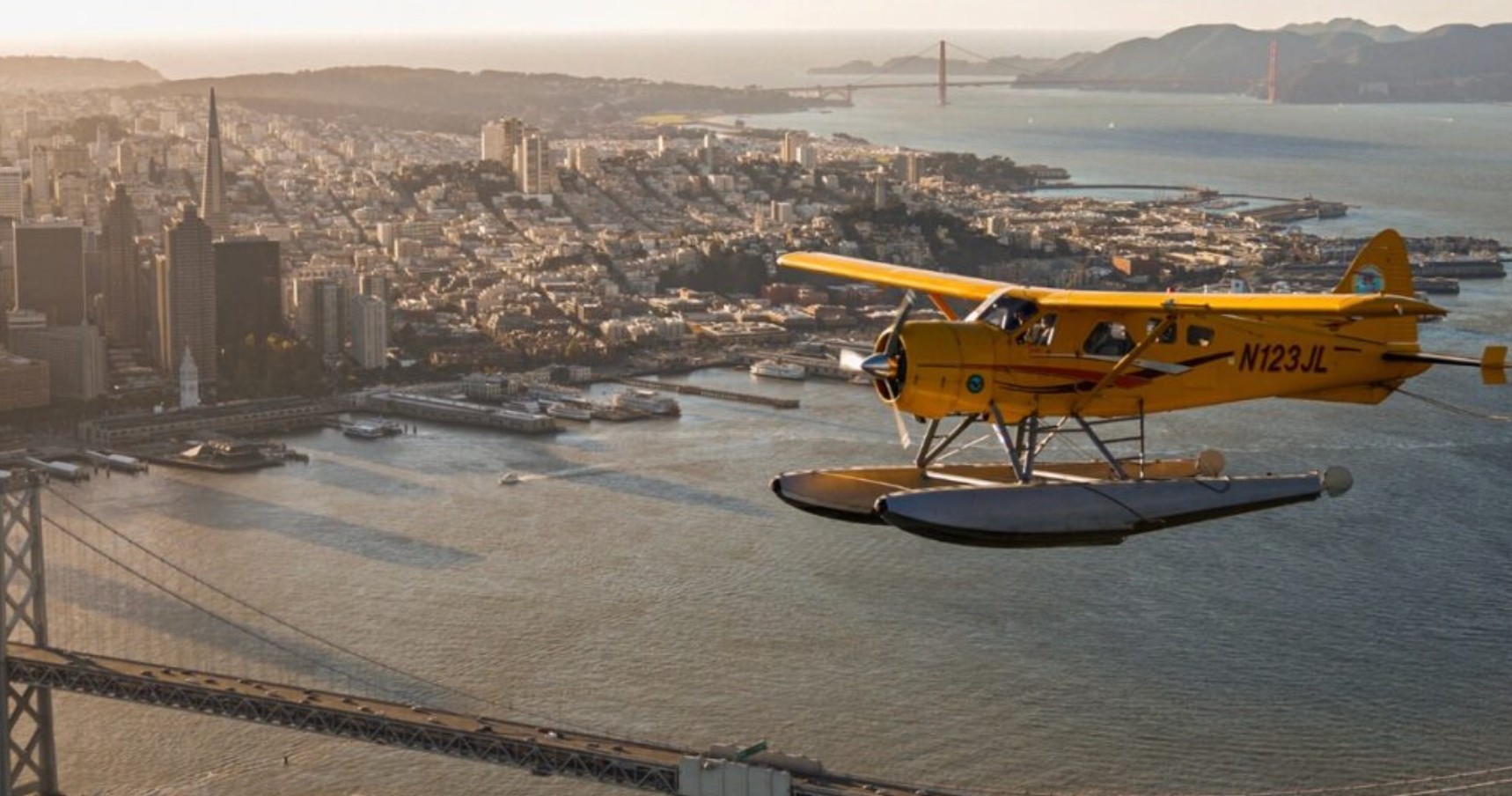
To watch a jetliner fold itself into the sky and then shrink into a precise, machine-perfect landing is to witness a choreography of engineering, weather, and human coordination. In San Bruno that choreography unfolds every day with the Bay as backdrop and San Bruno Mountain as the constant, wind-sculpted witness. The town's proximity to San Francisco International Airport creates a unique local rhythm: windows catch silver fuselages at dawn, neighborhood parks fill with the soft whoosh of arriving traffic, and sunset becomes a slow-motion runway show when west-facing piers and overlooks pick out the burnished undersides of aircraft.
Beyond spectacle, San Bruno is distinctive because airplane experiences here are layered — casual and hardcore observers share the same vistas. A family can bring a folding chair and watch transcontinental arrivals while a photographer times shutter speeds to freeze a widebody against pastel sky. Aviation enthusiasts can map flight paths, compare liveries, and track altitudes and approach vectors using apps on a phone. The terrain reinforces the drama: low-lying bays create mirror-like reflections on clear days, while the flanks of San Bruno Mountain offer elevated vantage points that put you almost level with approaching wings. Seasonal microclimates—June’s coastal marine layer or the crisp clarity of autumn—reshape the same runways into entirely different scenes.
Historically, the Bay Area shaped and was shaped by flight. SFO’s runways have long linked the region to the world, and neighborhoods like San Bruno carry a cultural memory of this connection in the rhythms of daily life and the small, aviation-adjacent enterprises scattered through town. That history is accessible in simple ways here: a conversational walk along public overlooks, a museum visit within short driving distance, or a booked flightseeing trip from a nearby general aviation field. Environmentally, visitors should be aware that airplane-focused activities are lived in the context of a working airport—noise is part of the experience, and regulations around safety and drone restrictions are strict. The best trips balance awe with respect: use public viewing areas, follow signage, and pair plane-watching with nearby outdoor activities like a bayfront picnic or a hike on San Bruno Mountain to round out the day.
This guide is crafted to help you do more than look up. It offers practical viewing spots, season and weather guidance, packing lists optimized for long waits and photography, and a sense of the cultural seam where town and airport meet—so your airplane adventure in San Bruno is as grounded in planning as it is lifted by spectacle.
The value of San Bruno lies in accessibility: public overlooks, parks, and easy parking make spontaneous spotting sessions realistic for locals and travelers alike.
Weather shapes what you see: fog softens approach lights into ribbons, while clear autumn days offer the best long-distance visibility for detailed plane identification.
The harbor is the gateway, and the Pacific becomes the classroom.
Combine airplane watching with neighboring outdoor pursuits—San Bruno Mountain hikes, bayfront cycling, and nearby beaches—to create varied, day-long trips.
Choose by purpose
Whale watching, snorkeling, sunset sailing, cultural canoeing, harbor sightseeing, or private chartering.
Start near the city
Waikiki and Honolulu Harbor are primary hubs, with some trips launching near Hanauma Bay.
Confirm the vessel
Gangways, shaded seating, and boarding requirements vary according to vessel size and operator.