Top 18 Airplane Adventures in San Carlos, California
San Carlos Airplane Guide

Top 18 Airplane Adventures in San Carlos, California

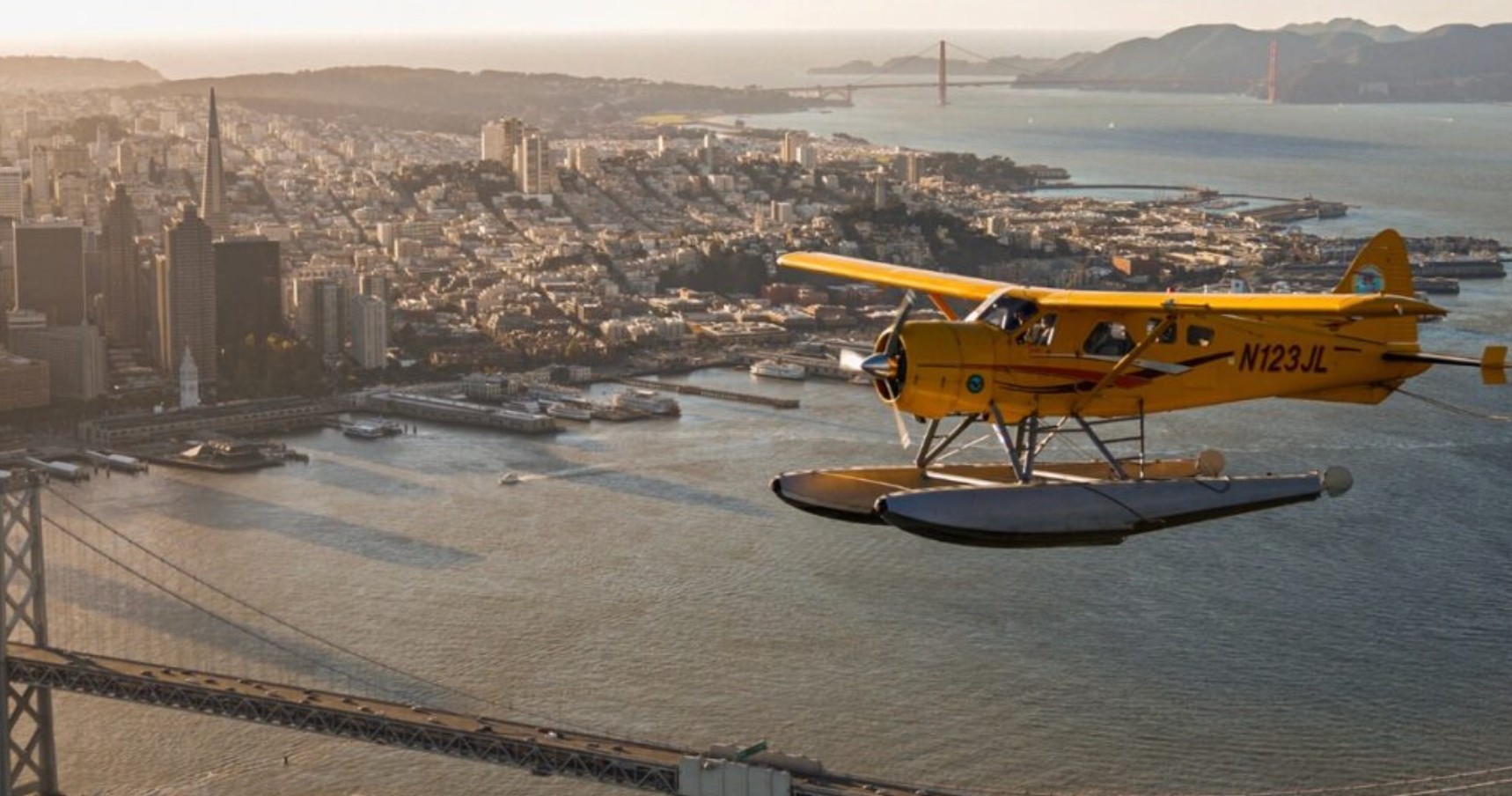
San Carlos sits under an active sky. From short discovery flights that lift you above suburban grids to coast-hugging sightseeing runs over the Golden Gate, airplane experiences here condense the Bay Area into cinematic panoramas—and they start literally at the runway.

San Carlos Airport (SQL)San Francisco BayCrystal Springs ReservoirHalf Moon Bay Coast

Live destination inventory

Top Airplane Trips in San Carlos

18 trips · Book with confidence · Instant confirmation

The prototype intentionally does not invent replacement trip cards or add images that are not already part of the live source page.

The city from the water

Why Airplane Experiences in San Carlos Are Distinctive

San Carlos occupies a modest strip of sky that feels disproportionately generous: low-lying coastal fog, the serrated silhouette of the Peninsula, and a mosaic of waterways and urban nodes all resolve differently when you view them from above. The airplane experiences that launch from this part of the Bay Area are varied—short scenic hops, introductory discovery flights for would-be pilots, aerial photography sorties, and longer coastal or city loops that trace the arc from Half Moon Bay to the Golden Gate. Each flight compresses the region's geological and cultural contrasts—ocean cliffs, rolling suburban hills, the glass-and-steel geometry of San Francisco—into an hour or less of airborne clarity. What makes San Carlos especially practical for airplane adventures is its accessibility. The town's general aviation airport is compact and aviation-focused, which means shorter access times, fewer terminal crowds, and quick transitions from car to cockpit. That convenience invites a range of trip types: brief aerial portraits you can fit around a half-day itinerary, hands-on discovery flights that let you try the controls under an instructor's supervision, and specialized flights aimed at photography, wildlife viewing, or sunset light. For photographers and visual storytellers, the angle of light over the Bay and the changing lens of the marine layer make early morning and late-afternoon flights particularly compelling. Beyond the view, airplane experiences in San Carlos connect to the region's broader outdoor palette. Flights pair naturally with shoreline hikes at the edge of Half Moon Bay, birding at the wetlands, or a day exploring coastal trails. For travelers planning multi-modal adventures, combining an airborne perspective with a kayak on the Bay or a short ride out to the redwood canyons produces a richer sense of place—the sky provides orientation, and the ground rewards closer attention. Seasonally, the best flying windows tend to coincide with calmer coastal weather; conversely, the classic summer fog and winter storms can both complicate scheduling and reward those who time flights for clear, crisp conditions. In practice, that means a bit of flexibility on the ground pays dividends in the air.

San Carlos's proximity to major Bay Area landmarks lets pilots design routes that showcase a lot in a short time. A single flight can include the Pacific coastline, the ridgelines of the Peninsula, the sweep of the Bay, and the iconic skyline of San Francisco. For many visitors, the airplane experience serves as an orientation flight that reconfigures how they navigate the region on subsequent hikes, bike rides, or drives.

Safety and regulation shape the landscape: general aviation airports operate under strict weather minima and airspace rules, and operators plan with both visibility and air-traffic constraints in mind. That means some days—especially those with low marine layers or high winds—are better left to the pilots. When conditions cooperate, though, the rewards are unmistakable: a private sense of place, quiet time above the bustle, and a perspective that stays with you long after the wheels touch tarmac.
Activity focus

Choose by purpose

Whale watching, snorkeling, sunset sailing, cultural canoeing, harbor sightseeing, or private chartering.

Departure hubs

Start near the city

Waikiki and Honolulu Harbor are primary hubs, with some trips launching near Hanauma Bay.

Accessibility

Confirm the vessel

Gangways, shaded seating, and boarding requirements vary according to vessel size and operator.

Seasonal planning

Best Time to Visit

San Carlos is warm year-round, but wind, swell, migration, visibility, and demand change the best match between traveler and trip.

San Carlos boat tour
Year-round destination

Seasonal highlights change the reason to go

Winter favors humpback encounters; warmer, calmer months favor snorkeling visibility and smoother water.

Humpback season

Late summer to early fall for the clearest visibility and warmest ramp-side weather.

Prime whale watching, winter holidays, higher demand, and earlier sell-outs.

Snorkeling window

May–June–September–October

Typically gentler seas and clearer water for snorkeling trips.

Weather notes

Trade winds year-round

San Carlos sits in the coastal transition zone: mornings can be foggy (marine layer) through late spring and summer, while late summer and early fall typically bring clearer skies and more stable flying conditions. Winter brings stronger frontal systems and occasional low ceilings—good days exist but require flexible scheduling.

Quieter opportunities

Late spring & summer weekdays

Spring and winter can offer solitude and lower demand; book with operators who monitor weather and offer easy rebooking on marginal days.

Match the trip to your comfort

Choose Your Experience Level

Low effort

Beginner

Short scenic flights and discovery flights designed for first-time flyers. Routes are typically under 30–45 minutes and focus on major landmarks with minimal operational complexity.

  • Bay overview scenic hop
  • San Francisco skyline and Golden Gate loop
  • Introductory discovery flight (passenger-only)
Active day trip

Intermediate

Longer flights that include coast-hugging segments, photography-oriented sorties, or introductory hands-on time with an instructor. Requires more tolerance for motion and longer preflight briefings.

  • Coastal corridor flight from Half Moon Bay to the city
  • Aerial photography session with professional guidance
  • Pilot-for-a-day introductory flight lesson
Longer or technical

Advanced

Flight training blocks, complex-scenario flights, and specialized operations such as aerobatic introductions or instrument training. These experiences assume time commitment and either prior flight training or a willingness to pursue certification.

  • Taildragger or vintage aircraft orientation
  • Multi-hour cross-country training flights
  • Advanced aerobatic or instrument-intro sessions

Prepare for sun, spray, and swell

What to Bring

Essential

Core kit

  • Government-issued photo ID (required for boarding at general aviation facilities)
  • Layered clothing—coastal flights can be cool even in summer
  • Sunglasses and sun protection for pre- and post-flight time on the ramp
  • A charged camera or phone with secure strap for in-flight photos
  • Ear protection if you're noise-sensitive (some light aircraft are loud)
Recommended

Useful extras

  • Light windproof jacket for open-window or taildragger flights
  • Compact binoculars for pre-flight shoreline or wetland spotting
  • Small backpack or soft bag (rigid luggage may not be allowed)
  • Motion-sickness remedies if you’re prone to airsickness
Optional

Trip-specific

  • Polarizing filter for camera lenses to manage glare on the water
  • Notebook or voice recorder for pilots-in-training taking notes
  • A printed copy of any booking confirmation or operator contact
Weather and airspace rules are the primary constraints—plan with flexibility and a calm reserve for last-minute changes.

Insider Tips & Local Knowledge

Reserve whale-watching and popular sunset cruises well ahead during December–April.
Choose morning snorkeling departures for calmer seas and better underwater visibility.
For motion sensitivity, choose a larger vessel, sit mid-ship, and take preventative medication before boarding.
Do not touch coral or wildlife, avoid standing on reefs, and use reef-safe sunscreen.
Community-based operators may add context about traditional navigation and stewardship.
Arrive early for parking and check-in because Waikiki departure areas can be busy.

Planning questions

Frequently Asked Questions

No. Scenic and discovery flights are flown by licensed pilots. Some operators offer hands-on discovery flights where you can handle controls under instructor supervision, but you do not need a license as a passenger.
Top 18 Airplane Adventures in San Carlos, California
Ready for your airplane adventure?

Browse 18 verified trips in San Carlos.

Compare current availability and book with instant confirmation.

Explore San Carlos airplane