Top 18 Airplane Experiences in San Francisco, California
San Francisco Airplane Guide

Top 18 Airplane Experiences in San Francisco, California

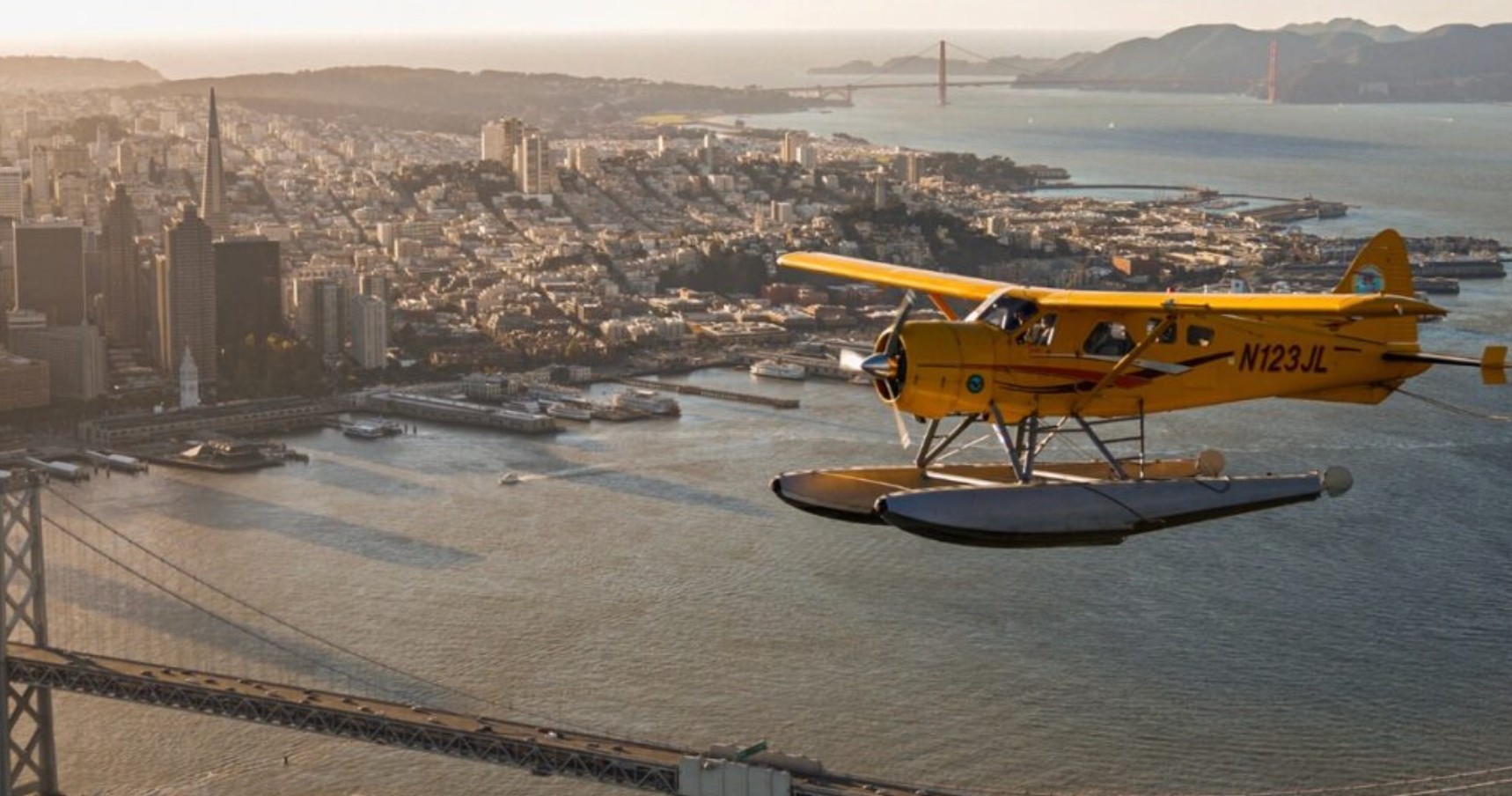
Up in the air, San Francisco rearranges itself: a ribbon of fog, the lattice of a bridge, islands like punctuation in the bay. Airplane experiences here range from short scenic hops that frame the city like a postcard to hands-on introductions that put you in the left seat. Whether you want cinematic aerial photos, the thrill of a seaplane hop, or time in a vintage cockpit, the Bay Area’s unique geography—the meeting of ocean, bay, and city—turns an ordinary flight into a layered, cinematic journey.

San Francisco BayGolden Gate BridgeAlcatrazMarin HeadlandsCoastal Cliffs

Live destination inventory

Top Airplane Trips in San Francisco

18 trips · Book with confidence · Instant confirmation

The prototype intentionally does not invent replacement trip cards or add images that are not already part of the live source page.

The city from the water

Why San Francisco Is a Standout Airplane Destination

San Francisco is an airplane playground carved by contrasts. On clear days, the sweep of the bay, the serrated silhouette of the Golden Gate, and the compact geometry of the city are laid out beneath you like a travel photographer’s dream. On foggy mornings, low clouds spill through the strait and create a cinematic veil that catches the sun later in the day, offering dramatic light and a moodiness that is uniquely Bay Area. That combination—stark urban forms against ocean and wind-sculpted hills—makes flights here not just transport but a way to read the landscape. The region’s aviation scene is similarly varied. Short flightseeing tours provide quick, accessible vistas perfect for first-time flyers and families; seaplane hops and coastal fly-bys add the tactile drama of water takeoffs and cliffside approaches; and for those who want to go deeper, flight schools and discovery flights offer meaningful hands-on time in the cockpit. Nearby general aviation airports and seaside terminals mean itineraries can be tailored: a half-hour sunrise circuit over the Bay, an afternoon aerial photography sortie, or a multi-stop coastal survey that includes cliffs, beaches, and the ocean’s edge. Weather and geography shape each option. The marine layer and frequent onshore winds mean pilots often adapt routes and altitudes to visibility, which can turn a planned Golden Gate pass into a low-level approach through sunlit clearings. Because of the complex airspace around major airports, many operators base flights from nearby fields or seaplane ramps that provide quicker access to the scenic corridors. The city’s aviation history—commercial innovations, military training during the 20th century, and a long tradition of recreational flying—adds texture to the experience: you’re not just seeing a place from above, you’re participating in a living chapter of coastal aviation. Beyond pure spectacle, airplane trips here are practical connectors to other adventures. Aerial orientation helps photographers plan ground shoots, and short flights to nearby coastal towns can open hiking or surfing access not practical by road on a tight schedule. The variety in plane types—small Cessna-style high-wing observation planes, nimble light aircraft for aerobatic introductions, and floatplanes that land on water—means you can match the aircraft to the story you want to tell from above. But with variety comes the need to plan: bring layers, account for sea-breeze timing, and choose operators with clear cancellation policies for low-visibility days.

Flights combine natural drama and urban geometry—Golden Gate, Alcatraz, and the jagged coastline all become components of a single visual narrative.

Seaplane and floatplane options add a tactile, maritime dimension: water takeoffs and landings are an experience unto themselves and open routes unavailable to land-only aircraft.

The harbor is the gateway, and the Pacific becomes the classroom.

Because of fog and controlled airspace, flexibility is valuable—expect route adjustments, and consider booking windows that match typical local weather patterns.

Activity focus

Choose by purpose

Whale watching, snorkeling, sunset sailing, cultural canoeing, harbor sightseeing, or private chartering.

Departure hubs

Start near the city

Waikiki and Honolulu Harbor are primary hubs, with some trips launching near Hanauma Bay.

Accessibility

Confirm the vessel

Gangways, shaded seating, and boarding requirements vary according to vessel size and operator.
Seasonal planning

Best Time to Visit

San Francisco is warm year-round, but wind, swell, migration, visibility, and demand change the best match between traveler and trip.

San Francisco boat tour
Year-round destination

Seasonal highlights change the reason to go

Winter favors humpback encounters; warmer, calmer months favor snorkeling visibility and smoother water.

Humpback season

Late summer and early fall are busiest for aerial tours due to reliable visibility and calmer conditions.

Prime whale watching, winter holidays, higher demand, and earlier sell-outs.

Snorkeling window

September–October–May

Typically gentler seas and clearer water for snorkeling trips.

Weather notes

Trade winds year-round

San Francisco’s hallmark marine layer means mornings and early summer can be foggy. Late summer and early fall (September–October) usually bring the clearest skies—often called the 'Indian summer'—making those months ideal for aerial visibility. Sea breezes increase in the afternoon; mornings can be calmer but foggy.

Quieter opportunities

Late spring & summer weekdays

Winter and spring can offer solitude and lower demand; while storms and low clouds occasionally ground flights, weekday windows between weather systems can be excellent and less crowded.

Match the trip to your comfort

Choose Your Experience Level

Low effort

Beginner

Short, accessible scenic flights designed for first-time flyers and families—typically 20–40 minutes and focused on iconic Bay sights.

  • Half-hour bay circle with Golden Gate pass
  • Introductory discovery flight with instructor demonstration
  • Seaplane hop over the shoreline
Active day trip

Intermediate

Longer sorties focused on photography or coastal viewing, plus introductory aerobatic or tailwheel experiences for those seeking a step up in intensity.

  • Extended aerial photography circuit including Marin Headlands and ocean cliffs
  • Floatplane coastal transfer with water landing
  • Hands-on dual flight time with basic maneuver practice
Longer or technical

Advanced

Multi-leg cross-country flights, advanced flight instruction, or time in historic/vintage aircraft for experienced pilots or serious enthusiasts.

  • Cross-bay navigation and destination hop to a nearby coastal airport
  • Advanced aerobatic or formation flight experiences (where available)
  • Transition training in tailwheel or vintage aircraft

Prepare for sun, spray, and swell

What to Bring

Essential

Core kit

  • Government ID (required for most commercial flights)
  • Layered windproof jacket (it’s chillier in the air)
  • Camera with a secure strap and spare batteries
  • Sunglasses and sunscreen
  • Any personal motion-sickness medication you use
Recommended

Useful extras

  • Window seat request when booking (book early to secure side preference)
  • Compact binoculars for detailed viewing of landmarks
  • Noise-reducing headphones or earplugs
  • Phone with extra storage for photos
Optional

Trip-specific

  • Light gloves for colder mornings
  • A small notepad for jotting GPS waypoints or photographic notes
  • A dry bag for seaplane excursions and damp conditions
Always verify pilot credentials, aircraft maintenance records, and the operator’s cancellation policy. Weather can change quickly—flexibility is essential.

Insider Tips & Local Knowledge

Reserve whale-watching and popular sunset cruises well ahead during December–April.
Choose morning snorkeling departures for calmer seas and better underwater visibility.
For motion sensitivity, choose a larger vessel, sit mid-ship, and take preventative medication before boarding.
Do not touch coral or wildlife, avoid standing on reefs, and use reef-safe sunscreen.
Community-based operators may add context about traditional navigation and stewardship.
Arrive early for parking and check-in because Waikiki departure areas can be busy.

Planning questions

Frequently Asked Questions

Some flights will proceed if operators and pilots determine conditions meet safety and regulatory minimums; others will delay or reroute. Visibility matters for sightseeing flights, so expect cancellations or adjusted itineraries on low-visibility days.
Top 18 Airplane Experiences in San Francisco, California
Ready for your airplane adventure?

Browse 18 verified trips in San Francisco.

Compare current availability and book with instant confirmation.

Explore San Francisco airplane