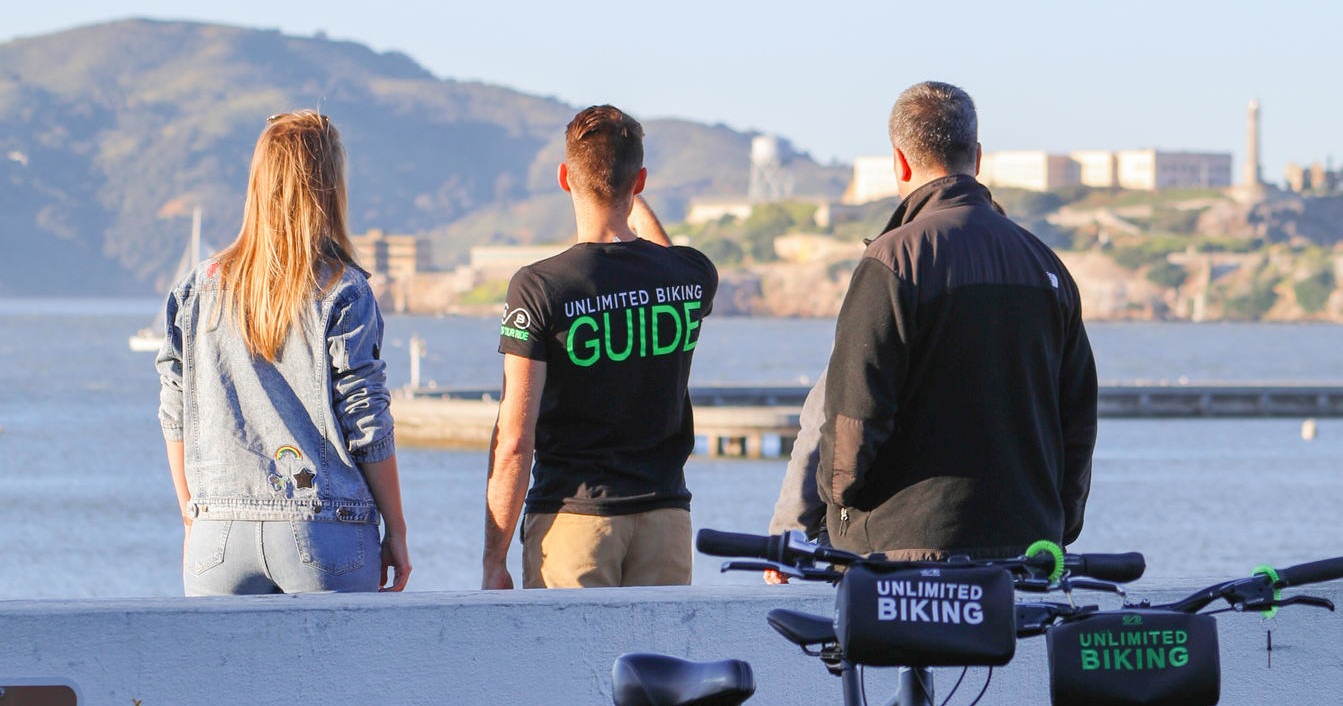
Why San Francisco Is a Standout E-Bike Destination
San Francisco reads like a condensed manual on varied riding: steep, street‑carved hills; long, exposed waterfronts; forested parkland; and a coastline that drops away to wide, open ocean. For decades the city's cycling culture has centered on human-powered grit—think steep climbs on vintage road bikes and the iconic Bay Area touring circuits. The arrival and normalization of reliable electric bikes has changed the calculus. E-bikes make the city’s signature climbs approachable for a broader range of people, turning what would be a stamina-centric expedition into a discovery-oriented ride. That matters here: the payoff for the effort is often a view—a fog-veiled Golden Gate at dawn, the stacked rooftops of Russian Hill, or the wind-polished cliffs of the Marin Headlands—scenes that reward riders who can cover varied terrain quickly and comfortably.
Beyond the visuals, San Francisco’s topography and infrastructure play to e-bike strengths. Long, uninterrupted bike lanes that hug the Embarcadero and stretches along Crissy Field let you roll lengther distances without constant stop-starts; the Presidio and Golden Gate Park add off‑street miles through forested roads and vehicle-free paths where an e-bike’s electric assist helps maintain pace without sweat. The city’s relatively compact footprint plus a high-density network of ferry, bus, and bike-share options also enables hybrid adventures—ride across the Golden Gate, take the ferry to Sausalito, and loop back along low-traffic Marin roads and coastal viewpoints. For travelers, that combination of urban accessibility and quick access to wild coastal ridgelines means you can sample both city and nature in a single day.
Culturally, e-bikes have accelerated inclusivity in cycling. Older riders, mixed-ability groups, and travelers who prioritize sightseeing over exertion can all experience the city at a comfortable rhythm. Environmentally, choosing an e-bike reduces reliance on cars for scenic drives and short inter-neighborhood hops. That said, the city’s microclimates—sunny eastern waterfronts and foggy, windy headlands—require trip planning, battery management, and respect for other path users. E-bikes in San Francisco are at their best when used as tools for exploration: they extend range, make hills enjoyable, and let you string together iconic experiences—San Francisco’s historic piers, the Presidio’s hidden overlooks, and rooftop sunset points—without turning the day into a physical endurance event. This guide concentrates on practical routes and considerations for making the most of those electric advantages while staying mindful of safety, local regulations, and the fragile coastal ecosystems that frame many of the city’s premier rides.
E-bikes democratize hill-climbing and lengthier itineraries. Routes that once required athletic training now become scenic circuits that anyone with basic bike skills can enjoy, expanding who can experience lookout points and coastal ridgelines.
Complementary activities—kayaking the bay, a short hike in the Presidio, or a wine stop after a cross-bay ride—pair naturally with e-biking because the logistics and time costs shrink; you can do more without burning out.
Choose by purpose
Whale watching, snorkeling, sunset sailing, cultural canoeing, harbor sightseeing, or private chartering.
Start near the city
Waikiki and Honolulu Harbor are primary hubs, with some trips launching near Hanauma Bay.
Confirm the vessel
Gangways, shaded seating, and boarding requirements vary according to vessel size and operator.