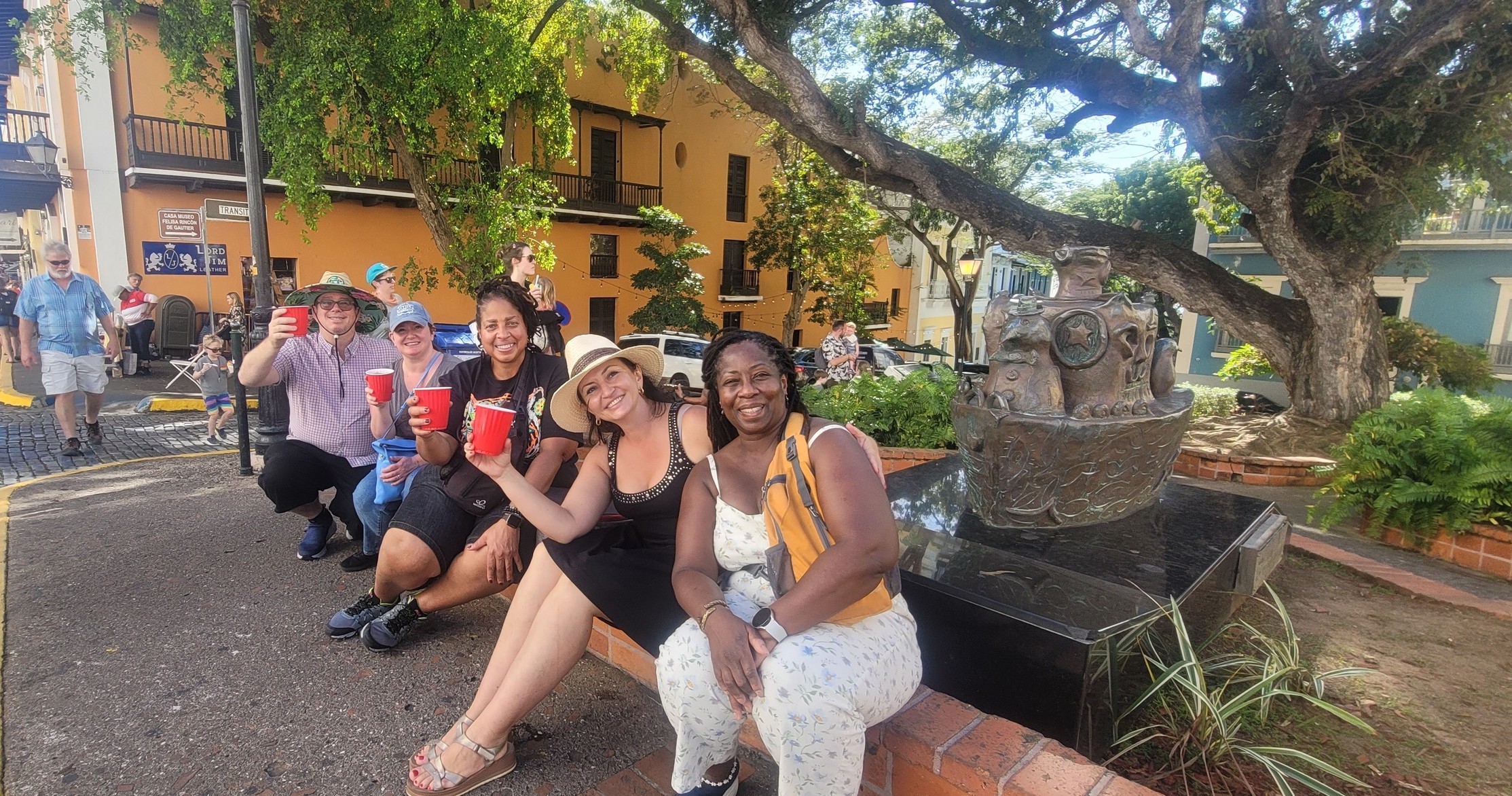
San Juan compresses centuries into street blocks: within a short stroll you can move from 16th-century bastions to a modern waterfront promenade, from pastel townhouses with wrought-iron balconies to seaside eateries where the day's catch is still on ice. For sightseers, that compactness is a rare gift. Walking tours are efficient and sensory—cobblestones beneath your feet, the tang of sea spray, the muffled thrum of a plena band drifting from a plaza. Each barrio has its own tempo and textures. Old San Juan's fortress-lined waterfront and narrow lanes evoke colonial geopolitics and architectural care; Santurce exposes a contemporary, street-art-forward face of the city; and coastal stretches like Condado and Isla Verde provide a breezy contrast where skyline and surf negotiate the day's light.
Beyond aesthetics, San Juan's history is a living narrative that sightseeing tours make comprehensible: forts like El Morro and San Cristóbal offer vantage points not only over the bay but over the island's colonial defense strategy, while walking itineraries that include plazas, churches, and markets tie the city's material culture to its people. Food- and market-focused tours emphasize the culinary syncretism—African, Taíno, Spanish—that defines Puerto Rican cuisine: roadside kiosks serving alcapurrias and bacalaítos, café con leche that fuels a morning walk, and slow-cooked stews that carry family stories. Boat tours and harbor cruises introduce another axis of understanding: the strategic maritime position that shaped San Juan’s role in Caribbean trade and migration.
Practicality is part of the reason travelers continue to choose guided sightseeing in San Juan. Many tours are short and modular—an hour-long carriage ride, a two-hour walking immersion, a half-day combination of bike and beach—making them easy to fit into travel itineraries. Guides often double as interpreters, bridging Spanish and English while offering context that elevates simple observation into understanding. The city's terrain—mostly flat in the centro with a few stepped streets in the oldest quarters—makes it accessible for a wide range of fitness levels, and alternative formats like electric-tuk tours or small-boat excursions expand accessibility further.
Seasonality and weather shape the sightseeing experience as much as architecture. San Juan is visitable year-round, but the drier months deliver sunnier walking conditions and calmer seas; hurricane season requires more flexible planning. Crowds consolidate around holidays and cruise-ship arrivals, which affects both tour group sizes and the feeling of solitude on popular routes. For those who want to avoid lines and photograph plazas without throngs, sunrise or late-afternoon tours often provide the most intimate sense of place. Ultimately, sightseeing in San Juan rewards curiosity: the best tours do more than point out landmarks—they tune you into the city's cadence, the smells, the rhythms, and the human stories layered into its streets.
Varied tour formats make it easy to customize: walking and biking for intimacy, boat and sunset cruises for perspective, and food- or history-focused walks for cultural depth.
Old San Juan’s compact layout is ideal for short guided tours, but branching out to Santurce, Condado, or the waterfront provides a fuller, modern portrait of the city.
Choose by purpose
Whale watching, snorkeling, sunset sailing, cultural canoeing, harbor sightseeing, or private chartering.
Start near the city
Waikiki and Honolulu Harbor are primary hubs, with some trips launching near Hanauma Bay.
Confirm the vessel
Gangways, shaded seating, and boarding requirements vary according to vessel size and operator.