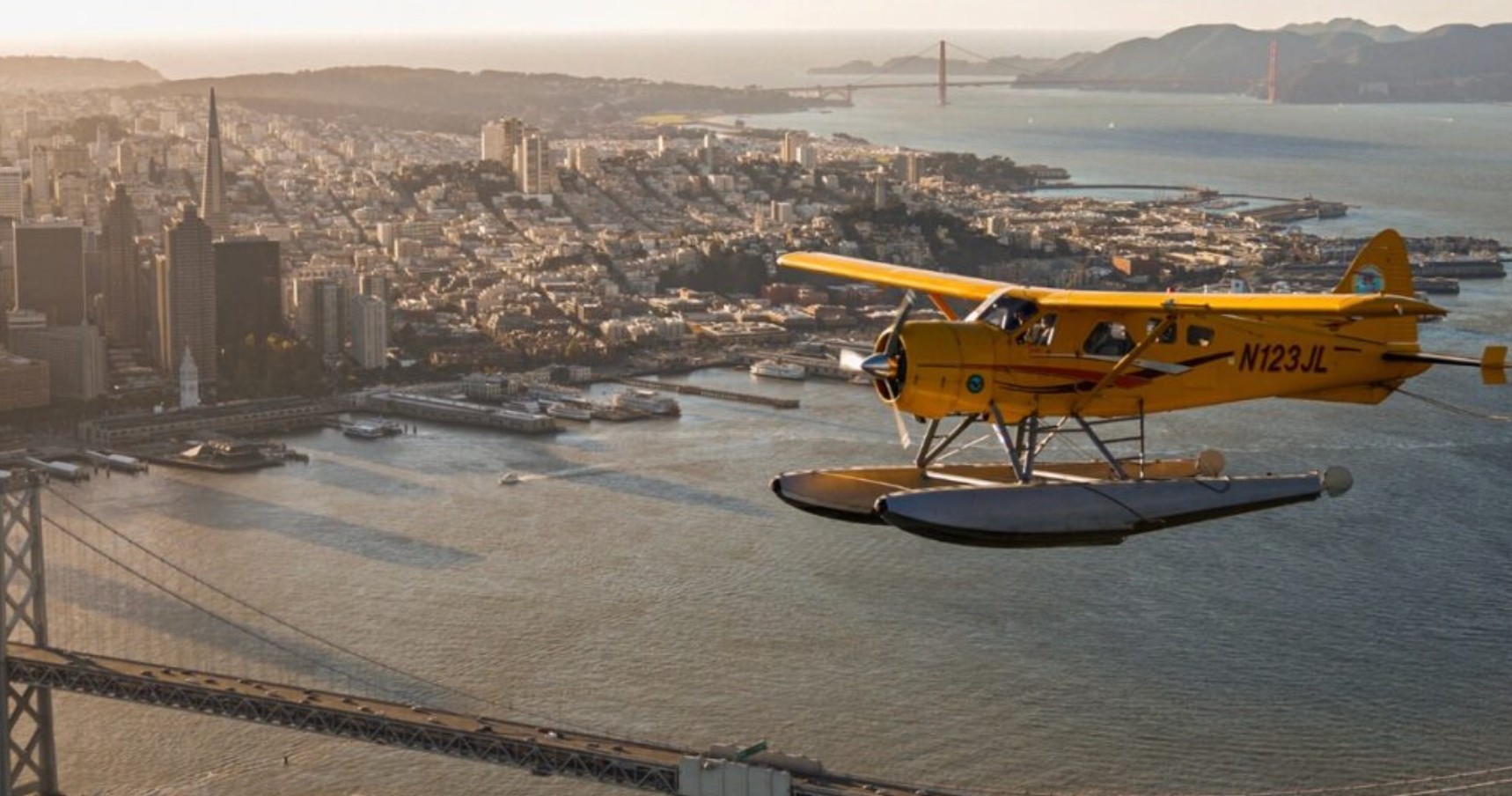
Why Sausalito Is a Singular Place to Fly
From the dockside restaurants to the mist-slimmed ridgelines of Marin, Sausalito feels like a place that was made to be seen from the sky. The town’s low-slung profile opens quickly to water: a quilt of working marinas, pleasure craft, and the white caps of the shipping channel. An airplane ride from Sausalito doesn’t just transport you above geography—it reframes the everyday choreography of the Bay Area. Below, ferries snake between piers, sailboats tack in the breeze, and the Golden Gate slices the landscape into a bold, elemental composition; above, the textures simplify, distances flatten, and landmarks resolve into graphic shapes that are both intimate and cinematic.
Historically, the Bay has long hosted a lively small-aircraft culture. Seaplanes and light aircraft are part sightseeing, part living history—machines that still rely on basic piloting, visual navigation, and good weather. For travelers, a short flight is the quickest way to reconcile the region’s many scales: the urban density of San Francisco, the islands stranded in the harbor, the open Pacific approaching from the west, and the layered ridgelines of Marin that pocket hidden beaches and coastal scrub. The experience is tactile—engine vibration through the airframe, the smell of fuel at the ramp, the sudden rearrangement of perspective as you bank over the water.
Sausalito’s geography and proximity to major landmarks make its flights especially versatile. A morning tour can thread the Golden Gate and circle Alcatraz, offering clean, north-facing light and the chance to avoid the afternoon marine layer. A sunset flight pushes westward, where long shadows sculpt the headlands and the ocean becomes a polished sheet of copper. For photographers and storytellers the rewards are obvious; for casual travelers the thrill is immediate and accessible: short flights, dramatic views, and landings that feel like punctuation marks in an otherwise ordinary day.
Practical considerations shape the character of flying here. Because many operations use floatplanes or small taildraggers, flights are highly weather-dependent—fog, wind, and choppy water can change schedules or routings at short notice. Noise-sensitive neighborhoods and marine traffic mean pilots follow tight approaches and curated flight corridors; the result is a consistent, professional choreography that keeps flights safe and the scenery visible. Complementary adventures—kayaking the Richardson Bay shoreline, biking the Bay Trail, or hiking into the Marin Headlands—pair naturally with aerial time, letting you layer perspectives across water, land, and sky.
In short, airplane experiences in Sausalito are about compression: a brief, high-resolution glimpse that reframes a familiar place. They reward curiosity, patience with fickle weather, and a willingness to trade a longer day on the water for a short, unforgettable elbow-room in the sky.
Airplane outings here are typically short—20 to 60 minutes—but they are dense with landmarks and photographic opportunities. Routes are designed to maximize iconic views while minimizing time over sensitive zones and congested airspace.
Because most flights operate from small ramps or seaplane docks, the experience combines the intimacy of a local operation with strict federal and maritime regulations. Expect a safety briefing, weight-and-balance checks, and practical guidance about boarding floats or low-wing aircraft.