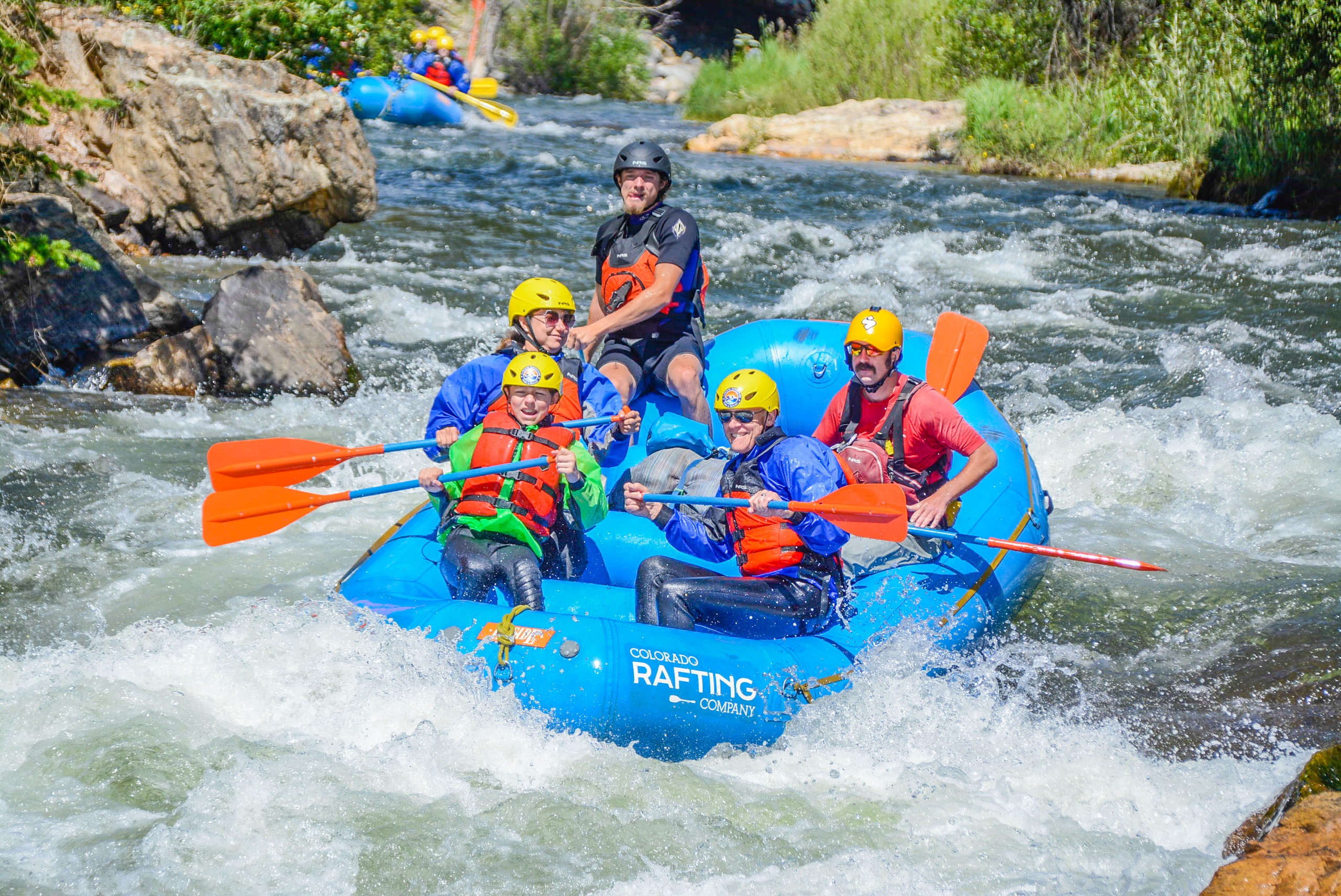
Why Savage Is a Standout Rafting Destination
Savage sits where mountain runoff still remembers the glaciers that carved its valleys: a place where the season’s melt converts alpine snowfields into a living, moving landscape. For rafters, that transformation is the point—the river is both route and revelation. In late spring and early summer the water swells, presses with force through narrows and past sculpted rocks, and presents a series of short-but-sharp drops and technical wave trains that reward precise steering and calm decision-making. By midsummer many runs mellow into wide, sunlit channels that let groups breathe, swim, and take in long views of sage and juniper-dusted slopes.
This dual personality—raw, technical whitewater alongside gentle canyon floats—makes Savage especially appealing. Families and casual paddlers find long, scenic stretches with easy pull-outs and shallow eddies perfect for wading and wildlife spotting. More experienced paddlers and guided trips chase the steeper sections: tight turns, punchy hydraulics, and short classed rapids that can be stitched together into half-day or full-day runs. Because much of the action is driven by snowmelt, timing is everything; early-season trips are loud and demanding, while later-season outings trade power for sun and calm.
But rafting in Savage is not just about what happens on the water. The surrounding landscape—ranchlands, historic mining scars, and the occasional remnant settlement—punctuates every trip with human-scale stories. Long-time ranchers, scattered dirt roads, and the echoes of miners who once chased ore up creeks all thread a cultural layer through the natural spectacle. Wildlife is another constant companion: osprey and hawks hunt overhead, mule deer and elk visit riparian corridors, and river otters or mink may be glimpsed on quieter runs. That layered experience—geology, hydrology, history, and ecology—gives each put-in and take-out a texture that elevates a single float or whitewater run into a fuller sense of place.
Practically, Savage is a day-trip destination for most visitors: accessible enough for a sunrise meet-up with a local outfitter and a downstream return by late afternoon. Yet the remote feeling remains; roads that access river corridors often switch from pavement to graded gravel, and emergency services can be distant. That’s why planning is part of the ritual: choosing the right run for conditions and crew, packing for swift temperature swings, and understanding the seasonal rhythm of flows. For travelers who pair rafting with other pursuits, Savage makes a fine base for morning runs, afternoon hikes along canyon rims, or fishing in calmer side channels. The result is a compact, high-value rafting destination where one good decision about timing and outfitter choice can turn a single river trip into the highlight of a western summer.
Savage’s rafting options are compact but varied: family-friendly floats, technical half-day runs with tight boofs and eddies, and longer multi-section adventures that combine fast water with scenic riparian stretches.
Because flows are strongly seasonal and access roads can be primitive, local outfitters and guides are an invaluable planning resource—especially for visitors who are new to Colorado high-country rivers.