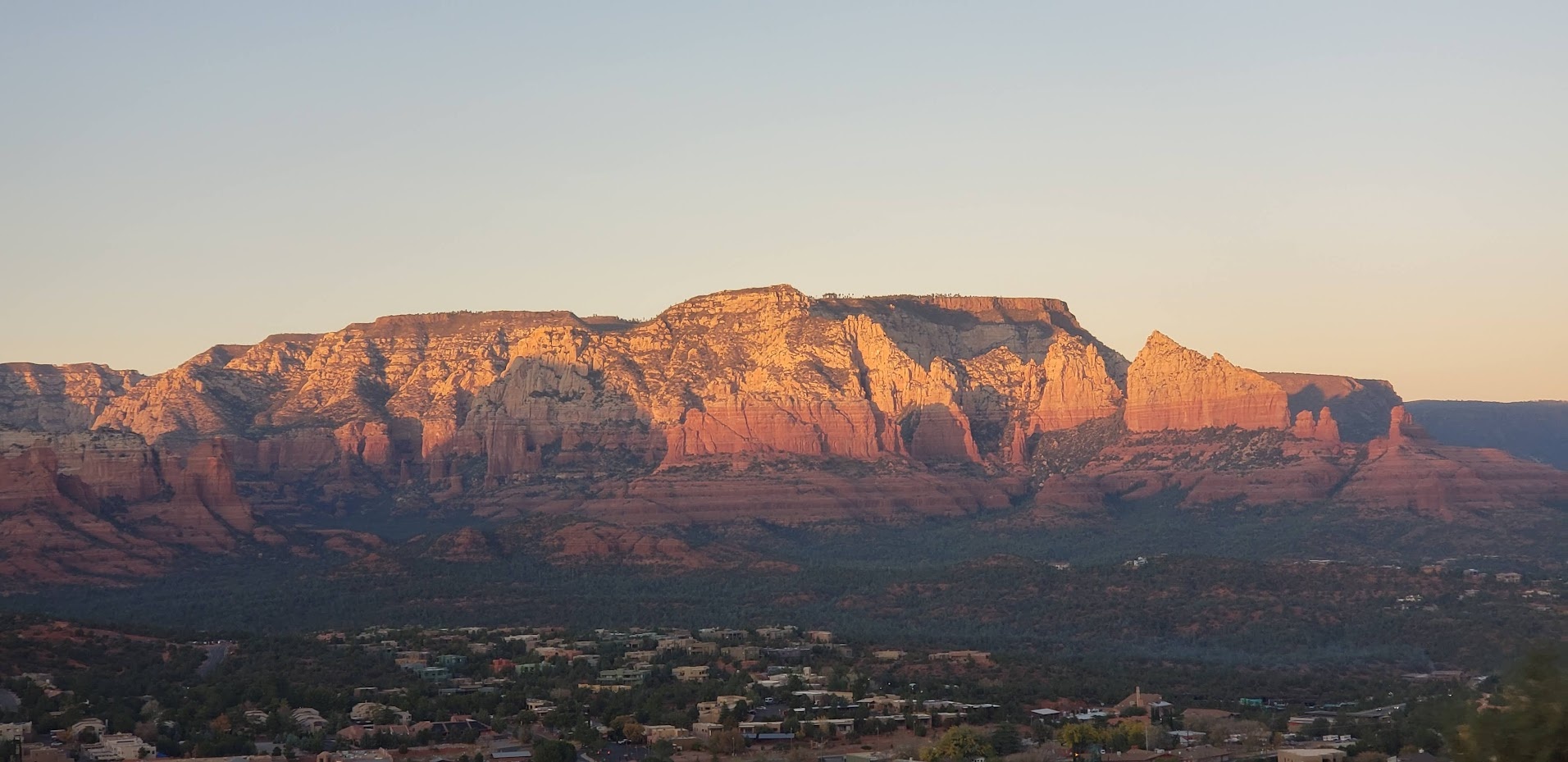
Why Boat Tours Are a Distinctive Way to See Sedona’s Red Rocks
Sedona is often imagined as a land of dry canyons and rattling junipers, but the area’s water corridors—thin veins of green threading through red sandstone—offer a startlingly different perspective. When you step onto a small boat, kayak, or pontoon near Sedona you cross an ecological boundary: the desert gives way to riparian coolness, cottonwoods and willows crowd the banks, and the red cliffs mirror in glass-smooth water. The scale feels different from a rim-top viewpoint; the cliffs appear closer, the shadows longer, and the soundscape quieter. That intimacy is the primary appeal of boat-based outings here—close-up geology, migratory birds at eye level, and a slow, low vantage that encourages attentive observation rather than an Instagram-ready quick stop.
Boat tours in the Sedona region are a practice in balance. True blue-water seascapes are uncommon; most operators run small-craft experiences tailored to narrow rivers, lake coves, and calm reservoirs within a short drive. That means the tone of trips skews toward interpretive ecology, fishing charters, guided kayak paddles, and serene pontoon floats rather than high-speed sightseeing. Guides point out cottonwood rings in cliff walls, seasonal trout runs, and the subtle shifts of desert riparian habitat. For photographers and naturalists, these tours turn what looks like a cactus-dominated landscape into a study of water-dependent life: dragonflies, migrating waterfowl, riparian songbirds, and dramatic reflections that dissolve midday heat.
Seasonality shapes everything. Spring and fall open a wide window when temperatures are pleasant, water levels are moderate, and monsoon rushes have not yet altered flows. Summer brings heat and an increased chance of sudden thunderstorms—flash-flood risk is real in narrow canyons and operators alter routes or cancel to prioritize safety. Winter trips are possible but cooler; guides layer up and focus on mid-day windows of warmth. Because most Sedona-area water outings rely on small craft and local access points, schedules can be tight and groups intentionally small: the experience is curated rather than mass-market.
Beyond the direct pleasures of a float, boat tours pair naturally with other Sedona activities. A morning kayak trip can precede a hike through Oak Creek Canyon; a sunset pontoon on a nearby reservoir complements an evening in town. For those chasing a deeper sense of place, combine an interpretive boat outing with birding, fly-fishing instruction, or a guided photography session—each amplifies the others and keeps the trip rooted in observation rather than pace. Ultimately, taking to the water near Sedona is less about covering distance and more about changing perspective: seeing familiar red rock from a reflective, waterline angle that softens edges and reveals subtle seasonal life most visitors miss.
The most reliable boat experiences are on the Verde River corridor and on small reservoirs within a drive of Sedona—expect guided kayaks, canoes, small-pontoon floats, and occasional motorized eco-tours rather than large tour boats.
Water conditions and access can shift with seasonal rains and drought cycles; working with reputable local outfitters and checking current river/lake levels will determine which trips run and what you’ll actually see.