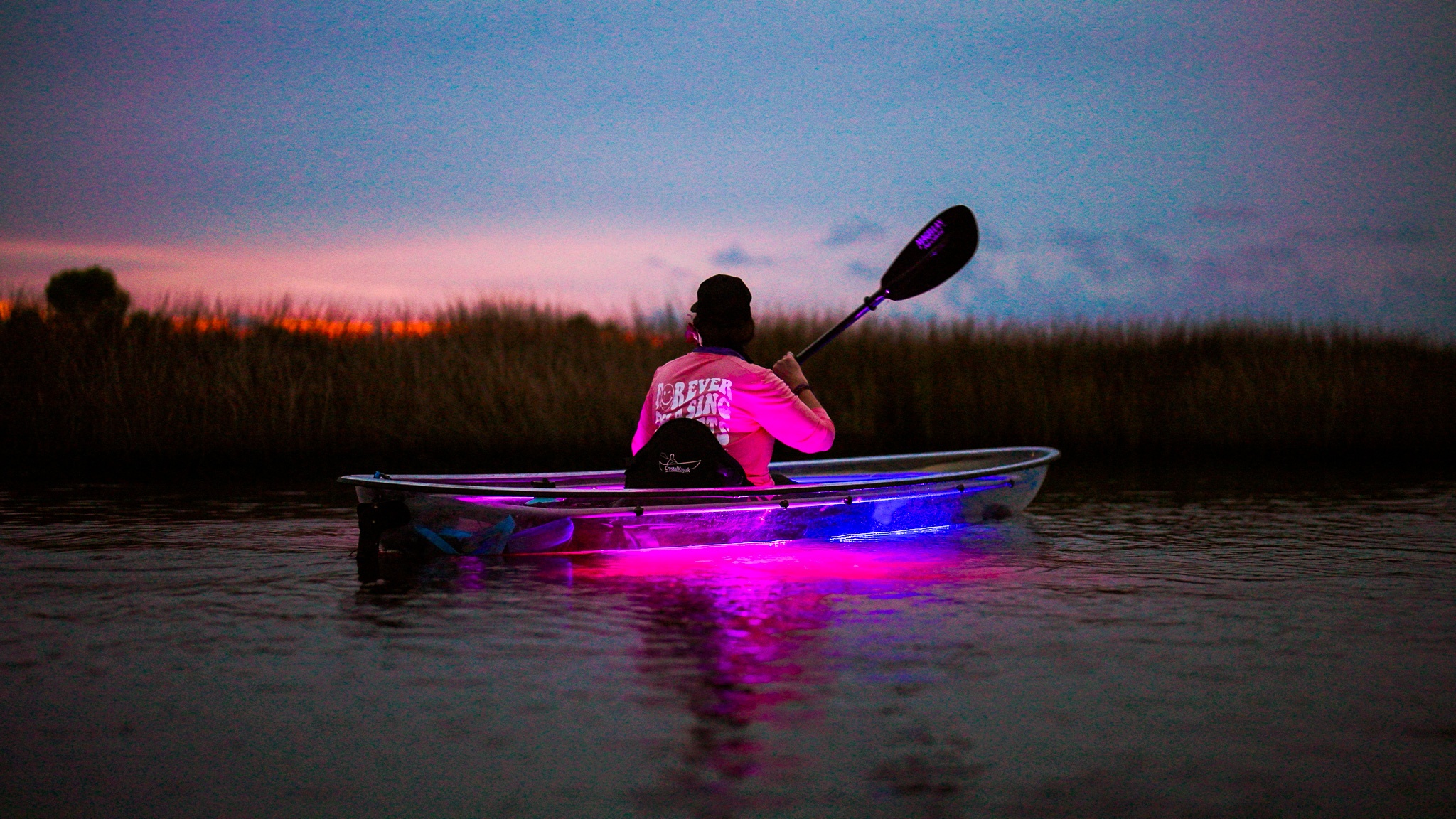
Why Shalimar Is a Standout Kayak Destination
Shalimar feels like a magnet for small-boat exploration because its water is the story. The town sits tucked against the northern edge of Choctawhatchee Bay, a broad estuary where freshwater creeks meet the tide and the Gulf's influence fades into long, shallow flats. Paddling here is both intimate and expansive: one moment you're threading a shadowed creek lined with mangroves and oyster bars, the next you're skirting a wide bay where the horizon loosens and you suddenly see distant barrier islands and the silver backs of dolphins. The variety of routes — short sheltered circuits for families, hidden oyster islands for picnic landings, and longer crossings that demand tidal and wind awareness — makes Shalimar valuable to a broad range of paddlers.
Ecology is central to the experience. Submerged seagrass beds dye the water jade, providing nursery habitat for fish and a buffet for wading birds like herons and egrets. Oystering and marsh grasses shape the shoreline; their micro-ecosystems support shorebirds, fiddler crabs, and the odd manatee in colder months. This connection to place means paddling here is rarely just exercise: it's a seasonal lesson in tides, migrations, and the rhythms of a Gulf Coast estuary. Early spring brings a green-up and migratory bird passages; summer fills the shallows with juvenile fish and long, calm mornings ideal for flatwater loops; fall cools the air and offers glassy conditions between passing cold fronts.
From a practical perspective, Shalimar's geography is forgiving for learners. Many launch points deposit you immediately into protected water, and sheltered channels let novices practice strokes and rescues without the anxiety of waves. Simultaneously, the bay's scale allows more ambitious paddlers to string together long days — crossing to neighboring towns, linking to winding creeks, or timing a run with an outgoing tide for a fast return. Wind and boat traffic are the two variables that most change a planned outing; on breezy afternoons the bay can develop rolling chop, and weekends see increased recreational and small-craft fishing traffic near popular ramps.
Culturally and historically, the shoreline reflects the Gulf's working-coast identity. Small docks, bait shops, and family-run marinas hint at fishing traditions while occasional ruins of pilings and forgotten boat hauls mark the coastline's changing uses. For travelers, kayaking in Shalimar is an invitation to slow down and read the water — to notice birds, shell patterns, and the way light changes when clouds move over the bay. Whether you come for an easy half-day circuit with kids or a purposeful 12–15 mile crossing, the paddling here rewards attention and simple good planning.
Protected estuaries and connected creeks make Shalimar a strong choice for families and new paddlers seeking safe, scenic outings.
The bay's scale also allows for longer, navigationally satisfying trips; paddlers comfortable with wind and tide can craft point-to-point crossings and exploratory loops.
Wildlife encounters are frequent: dolphins play in the channel, wading birds hunt the flats, and seasonal migrations bring flocks of shorebirds and raptors.
Be mindful of wind and passing boat traffic — a calm morning can shift quickly into a choppy afternoon as sea breezes pick up.