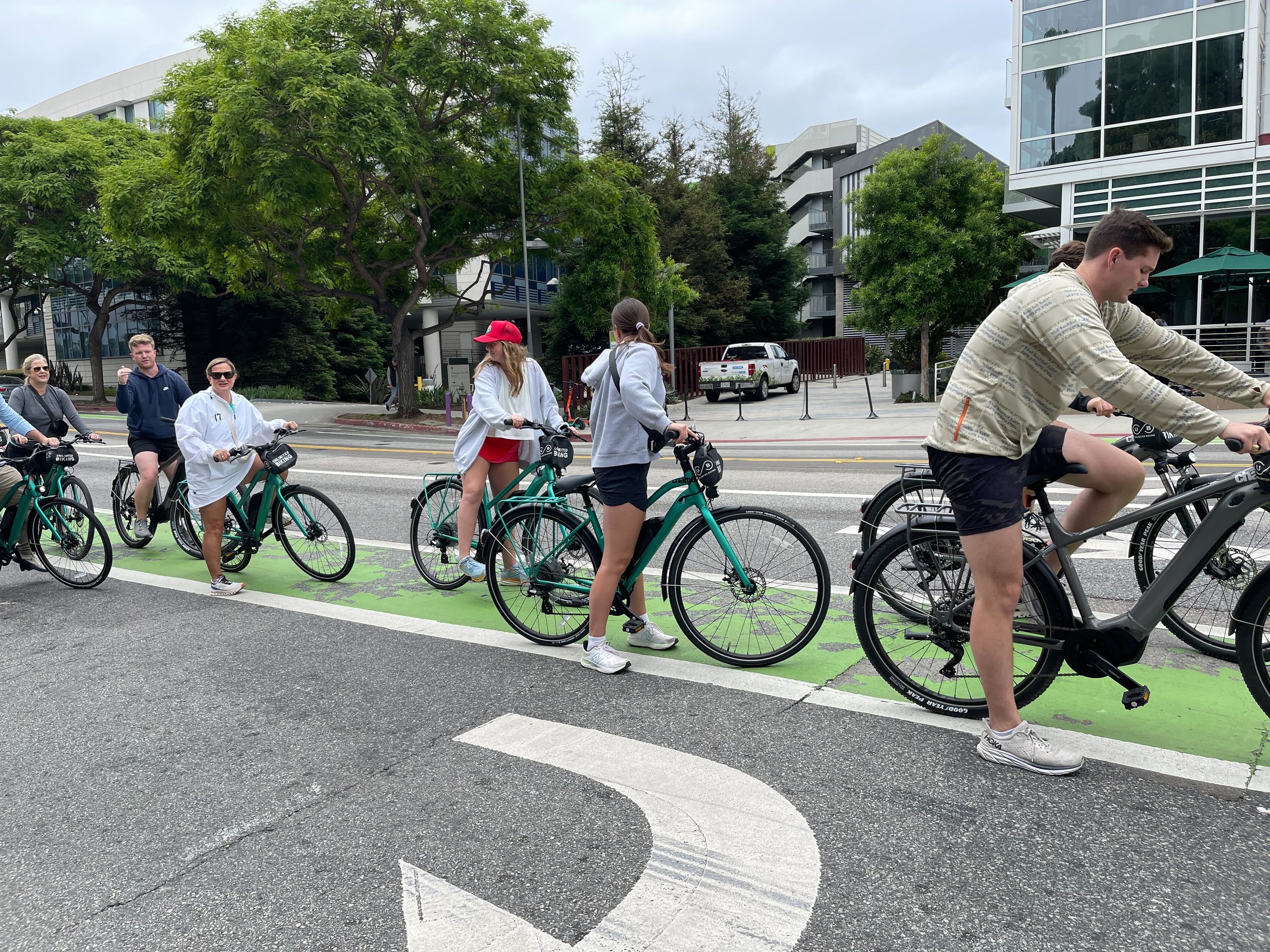
Why Sherman Oaks Works So Well for E-Bikes
On a quiet morning in Sherman Oaks, the world feels measured to the cadence of an e-bike. You glide under a canopy of jacaranda and palm fronds, past mid-century bungalows and strip-mall cafés where the barista already knows the weekday commute. The pedal-assist hums like a small, polite engine—not the raw roar of a motorcycle, but enough to let you chase light across the valley with a fraction of the effort a conventional bike requires.
Sherman Oaks sits at the confluence of suburban calm and regional access. The neighborhood itself is pleasantly varied: level, wide streets that invite relaxed cruising; bike-friendly corridors—some painted with new lanes, some still shared with cars—that connect to Ventura Boulevard’s lively strip of shops and eateries; and a handful of green arteries that lead into larger natural systems: the broad, grassy Sepulveda Basin to the west, the shoulder of the Santa Monica Mountains to the south, and riparian stretches that feed into Los Angeles’s larger cycling network. For e-bike riders this geography is a rare convenience. Pedal-assist turns what would otherwise be a logistical chore—getting to a trailhead, climbing a Mulholland ridge, or linking neighborhoods across arterial roads—into an extension of the ride itself.
The appeal is not only practical. E-bikes in Sherman Oaks open up a range of complementary experiences. A late-morning loop can take you from an espresso stop on Ventura to a riverside path where paddleboarders drift in the basin’s calm ponds; an afternoon ride can reach the fire roads above the valley—where permitted—to earn views of the Santa Susana peaks and a cool descent back into the grid; and an evening trip down to a nearby rail or bike path can convert a commute into a micro-adventure as the sky changes color. The result is a local rhythm for riders: short, purposeful outings that double as errands and longer, exploratory jaunts that touch different ecologies of Los Angeles.
Practical realities matter. Battery range, weight, street etiquette, and local regulations shape the experience. Many residential routes are forgiving—short rises and manageable distances—so mid-range batteries and Class 1 or Class 3 e-bikes perform well. Heat and sun are real considerations in summer, so timing rides for morning or late afternoon preserves range and comfort. Shared-use paths are common; riders must be ready to yield to pedestrians, slow through congested commercial stretches, and secure their bikes when stopping at cafés or trailheads.
Sherman Oaks is not a mountain-bike mecca, but it is an ideal urban-e-bike hub: a place to ride with intention, to stitch together city and canyon, and to experience Los Angeles at human speed with a little electrical generosity. For someone weighing the practical and the poetic, the neighborhood offers both—the convenience of a valley grid and the possibility of reaching wild spaces without a long drive. That combination is why e-bikes feel less like a tool here and more like a way to reclaim time and terrain in a sprawling city.
E-bikes expand the accessible radius: errands, cafes, and green spaces fall within comfortable range, reducing reliance on cars for short trips.
Infrastructure varies—recent lane and path improvements have made key corridors more rideable, but riders should expect mixed conditions and share lanes with local traffic.
Access to nearby canyon roads and fire roads means you can combine street riding with gravel or dirt approaches; check local rules and signage before continuing onto singletrack.