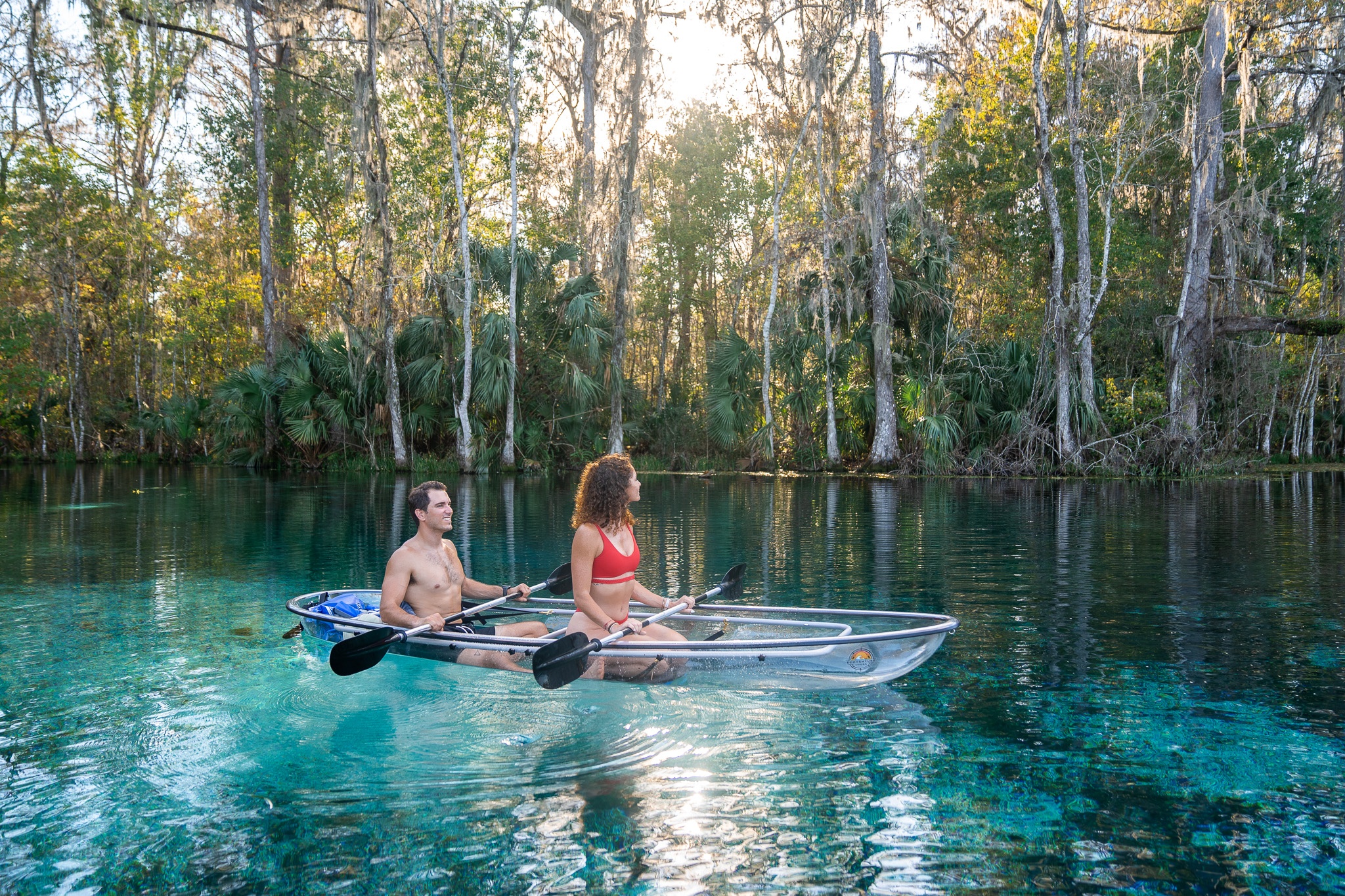
Silver Springs reads like a condensed primer on Florida’s aquatic ecosystems. Step into a glass-bottom boat or push off in a kayak and the first thing that hits you is the quality of light: sunlight filters into gin-clear spring runoff, revealing limestone walls and lush subaqueous vegetation as if the river had its own slow-motion theater. That clarity is a function of the springshed—rain and groundwater percolate through porous limestone and erupt at consistent temperatures and flow rates, producing one of the largest artesian springs systems in the continental U.S. For eco-tourists, that means encounters are intimate and instructive. Guides use the transparency of the water to teach about aquifer health, freshwater biodiversity, and the impacts of development upriver. The result is an experience that is equal parts spectacle and lesson.
Beyond the water itself, the surrounding landscape supports a layered set of habitats: bald cypress swamps ring the channel with buttressed trunks and hanging moss, riverfront hammocks host a compl ement of migratory and resident birds, and upland corridors connect to protected tracts where gopher tortoises and box turtles persist. Many tours are deliberately paced to prioritize wildlife observation—early morning excursions reward paddlers with active birdflocks and the possibility of manatee sightings in the cooler months, while late‑afternoon outings heighten the chances of seeing otters work the shallows. Cultural history also threads through the eco-tour narrative here. Indigenous peoples, Spanish explorers, and early American settlers all left marks on the landscape; later, Silver Springs became a film and tourist destination, with glass‑bottom boats that carry more than passengers—they carry a lineage of interpretation and spectacle. Modern eco tours often balance interpretive storytelling with conservation messaging, giving visitors context for why water quality, invasive species management, and habitat protection matter for a place that looks pristinely natural but depends on careful stewardship.
Practicality shapes the best visits. Eco tours around Silver Springs are accessible to a wide range of fitness levels and interest groups—families, birders, photographers, and school groups find routes and formats that match their curiosity. The activity is also highly seasonal in mood: spring brings nesting birds and an influx of wildflowers along the banks; summer amplifies insect and amphibian activity beneath dense canopy; fall and winter lower water temperatures and increase the odds of spotting manatees and migratory waterfowl. Because the tours are intimate and limited in scale compared with larger commercial attractions, booking ahead for peak days and weekends is wise, and choosing a guided option enhances wildlife sightings and deepens understanding of the region’s hydrology and conservation challenges. The best eco-tour itineraries weave paddling, quiet observation, and narrative, leaving you with both photos and a stronger sense of why places like Silver Springs deserve protection.
Eco tours center on observability—clear springs and shallow channels make wildlife easier to spot without intrusive approaches.
Interpretive guides translate natural history and conservation science into a form any visitor can appreciate, from curious families to seasoned naturalists.
The harbor is the gateway, and the Pacific becomes the classroom.
The mix of on-water and short-walk formats makes Silver Springs' eco tours accessible to many ability levels while still delivering meaningful encounters.
Choose by purpose
Whale watching, snorkeling, sunset sailing, cultural canoeing, harbor sightseeing, or private chartering.
Start near the city
Waikiki and Honolulu Harbor are primary hubs, with some trips launching near Hanauma Bay.
Confirm the vessel
Gangways, shaded seating, and boarding requirements vary according to vessel size and operator.