Rafting Around Silverthorne, Colorado
Silverthorne Rafting Guide

Rafting Around Silverthorne, Colorado

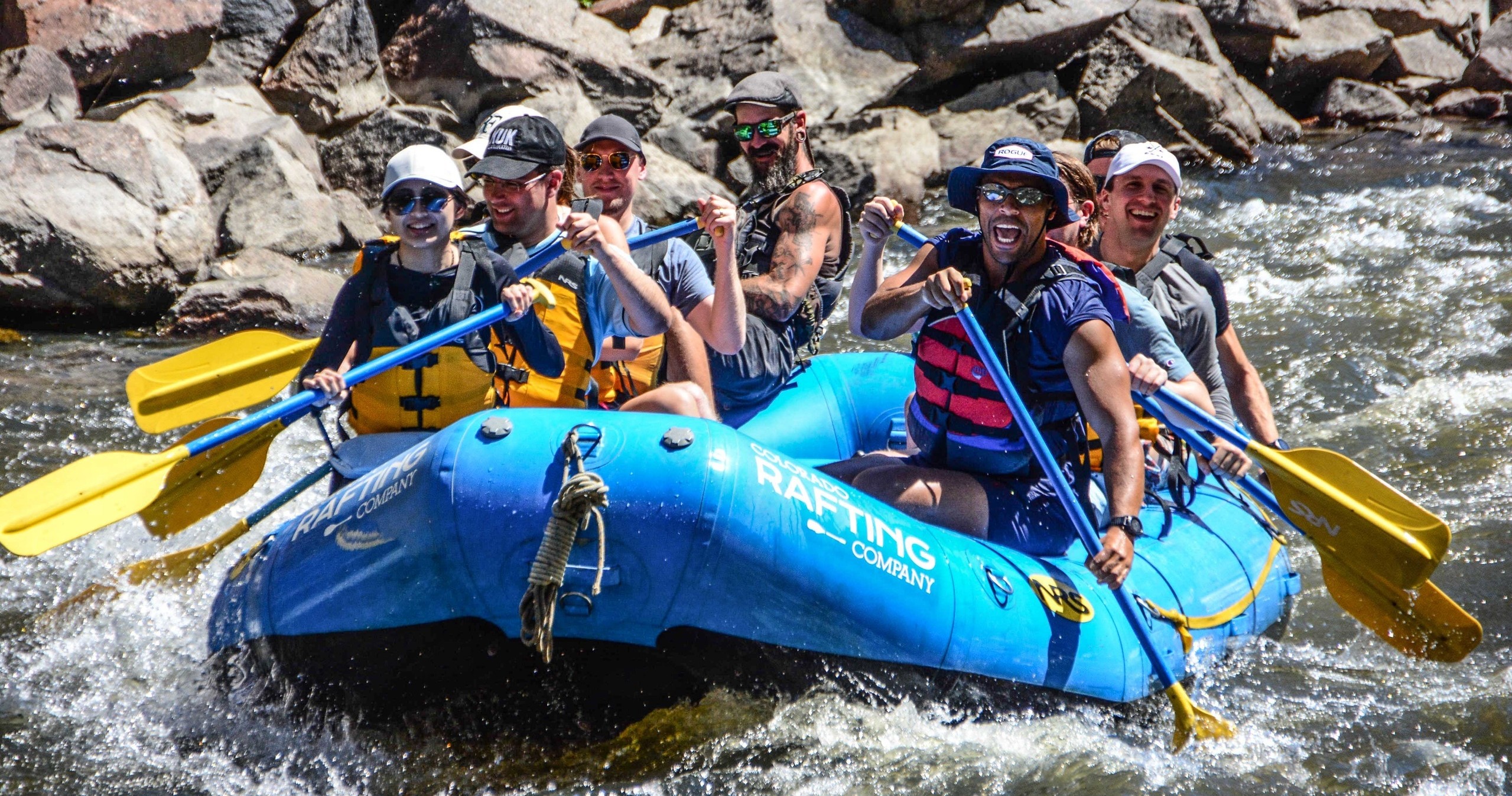
Silverthorne sits in a high-mountain bowl where the Blue River threads down from alpine basins into Dillon Reservoir. That proximity to reliable snowmelt, easy access off I‑70, and a mix of mellow floats and nearby technical whitewater make it an efficient base for rafting trips that range from family-friendly scenic runs to high-adrenaline guided excursions on more remote sections of the Colorado River.

Blue RiverDillon ReservoirI-70 Corridor

Live destination inventory

Top Rafting Trips in Silverthorne

9 trips · Book with confidence · Instant confirmation

The prototype intentionally does not invent replacement trip cards or add images that are not already part of the live source page.

The city from the water

Why Silverthorne Is a Standout Rafting Destination

Silverthorne’s claim to rafting fame is subtle rather than sensational. Unlike single-river towns defined by one iconic rapid, Silverthorne is a convenient junction: a place where the mountain hydrology, highway access, and a cluster of outfitters combine to offer a menu of whitewater experiences. The Blue River drains the high basins above town and into Dillon Reservoir; in spring and early summer the river is animated by snowmelt and timed reservoir releases, producing predictable runs ideal for guided family floats and intermediate-class rapids. For paddlers chasing bigger water, Silverthorne sits within striking distance of more technical stretches of the Colorado River and classic Clear Creek runs to the east—day-trip options for experienced paddlers and guided groups. The rafting scene here is shaped by elevation and infrastructure. High country snowpack and reservoir management mean flows are seasonal and measurable: the spring freshet (May through mid-July, typically) brings the highest volumes and the most dynamic whitewater, while late summer yields lower, warmer conditions better suited to scenic floats and mixed-activity days that pair rafting with fishing or SUP on Dillon Reservoir. Outfitters operating from Silverthorne lean toward guided, safety-focused trips that match clients to the right river section—family floats on the Blue River, intermediate runs for people wanting an introduction to class III rapids, and technical outings arranged as half- or full-day excursions farther afield. That variety allows groups with mixed ability levels to find a shared experience. Culturally and practically, Silverthorne’s rafting character is local and service-oriented. The town itself is compact—and the short drives to launch points, shuttle logistics, and post-trip amenities (from craft breweries to gear shops) make planning straightforward. Environmentally, this area is a high-mountain watershed with sensitivity to seasonal conditions: flows can change quickly with rain and warm spells, reservoir operations alter water levels, and wildlife-season restrictions can affect access. The best trips are the ones that respect those rhythms—timed to peak flows, staffed by experienced guides, and paired with other mountain pursuits like alpine hiking, mountain biking, or a restorative afternoon on Dillon Reservoir. In short, Silverthorne is a smart hub for paddlers who value choice: approachable family rafting close to town, plus access to more committed whitewater for those who seek it.

Strategic location: Silverthorne’s proximity to I‑70 makes it a practical launch point for day trips to nearby rivers without the long drives common in other mountain towns.

Flow variety: Expect spring and early-summer snowmelt runs, midsummer low-water floats, and managed releases that create reliable rafting windows.

The harbor is the gateway, and the Pacific becomes the classroom.

Range of experiences: Outfitters in the area typically offer everything from mellow family floats to intermediate class III runs; technical class IV–V sections are available nearby but generally require experienced guides and specialized skills.

Complementary activities: Pair a rafting day with reservoir paddleboarding, alpine hiking, or an evening brewery visit in Silverthorne for a balanced mountain itinerary.
Activity focus

Choose by purpose

Whale watching, snorkeling, sunset sailing, cultural canoeing, harbor sightseeing, or private chartering.

Departure hubs

Start near the city

Waikiki and Honolulu Harbor are primary hubs, with some trips launching near Hanauma Bay.

Accessibility

Confirm the vessel

Gangways, shaded seating, and boarding requirements vary according to vessel size and operator.

Seasonal planning

Best Time to Visit

Silverthorne is warm year-round, but wind, swell, migration, visibility, and demand change the best match between traveler and trip.

Silverthorne boat tour
Year-round destination

Seasonal highlights change the reason to go

Winter favors humpback encounters; warmer, calmer months favor snorkeling visibility and smoother water.

Humpback season

Late May through July is the busiest period for whitewater trips due to high spring runoff and managed reservoir releases.

Prime whale watching, winter holidays, higher demand, and earlier sell-outs.

Snorkeling window

May–June–July–August–September

Typically gentler seas and clearer water for snorkeling trips.

Weather notes

Trade winds year-round

Snowmelt drives spring flows and can produce the most exciting rafting conditions; summer afternoons often bring isolated thunderstorms—plan morning departures. Late summer offers warmer water and gentler flows, while early fall reduces crowds but shortens the season.

Quieter opportunities

Late spring & summer weekdays

Late summer and early fall—lower flows are ideal for family floats, guided scenic trips, SUP, and combined activities like hiking and fishing. Winter is generally too cold for rafting, but offers complementary snow sports.

Match the trip to your comfort

Choose Your Experience Level

Low effort

Beginner

Gentle guided floats and low-grade rapids suitable for families, first-timers, and anyone who prefers scenery over adrenaline. Focus is on safety, technique basics, and comfortable exposure to flowing water.

  • Guided family float on a mild Blue River stretch
  • Scenic reservoir paddle and shore picnic
  • Introductory class II river run with guided instruction
Active day trip

Intermediate

Half-day whitewater runs with class III rapids—good for paddlers who want active rowing, moderate splash, and quick maneuvers. These trips often require basic paddling experience and comfortable wet exits.

  • Class III guided runs timed to spring releases
  • Full-day river trip combining rapids with calm stretches
  • Skill-build trips with coached maneuvers and boat-handling drills
Longer or technical

Advanced

Technical whitewater options exist within a drive of Silverthorne and are suitable for experienced paddlers. These runs may include sustained class IV–V rapids, complex scouting, and exposure—typically run with professional guides or private expert teams.

  • Guided technical runs on remote Colorado Basin sections
  • Multi-section expedition-style float with portages
  • Private team trips on high-water technical stretches

Prepare for sun, spray, and swell

What to Bring

Essential

Core kit

  • Waterproof sunscreen and sun-protective clothing
  • Quick-dry layers and a light insulating layer for alpine chill
  • Secure footwear (river shoes or sport sandals with straps)
  • Water bottle (use a hard-sided or secured soft bottle for guided trips)
  • Personal flotation device if renting or for small watercraft (outfitters typically provide PFDs)
Recommended

Useful extras

  • Light gloves for grip and warmth during colder runs
  • Dry-bag for phone, camera, and spare layers
  • Swimwear and quick-dry towel for post-trip comfort
  • Small personal first-aid items and blister care
  • A change of clothes and warm layer for the drive back
Optional

Trip-specific

  • GoPro or action camera with chest/head mount
  • Waterproof phone case
  • Polarized sunglasses with retention strap
  • Castable fishing rod for post-raft reservoir or river-side casting
Confirm current flows, shuttle logistics, and outfitters' cancellation policies before booking. Weather and reservoir operations can change launch timing.

Insider Tips & Local Knowledge

Reserve whale-watching and popular sunset cruises well ahead during December–April.
Choose morning snorkeling departures for calmer seas and better underwater visibility.
For motion sensitivity, choose a larger vessel, sit mid-ship, and take preventative medication before boarding.
Do not touch coral or wildlife, avoid standing on reefs, and use reef-safe sunscreen.
Community-based operators may add context about traditional navigation and stewardship.
Arrive early for parking and check-in because Waikiki departure areas can be busy.

Planning questions

Frequently Asked Questions

Most guided commercial trips are covered by operator permits; private trips may require knowledge of local access rules and occasional launch permits depending on the river and landowner. Check with local outfitters or land management agencies for specific sections.
Rafting Around Silverthorne, Colorado
Ready for your rafting adventure?

Browse 9 verified trips in Silverthorne.

Compare current availability and book with instant confirmation.

Explore Silverthorne rafting