Dolphin Watching & Encounters in Somers Point, New Jersey
Somers Point Dolphin Guide

Dolphin Watching & Encounters in Somers Point, New Jersey

Somers Point is a low-slung coastal town that opens onto wide bays and protective inlets where bottlenose dolphins are a seasonal highlight. This guide focuses on dolphin-centered adventures—boat cruises, kayak and SUP outings, and observational trips that prioritize safety and conservation—so you can plan sightings that are thrilling, responsible, and accessible to a range of travelers.

Great Egg Harbor BayBarnegat BayAtlantic CoastInlet & Jetty Zones

Live destination inventory

Top Dolphin Trips in Somers Point

4 trips · Book with confidence · Instant confirmation

The prototype intentionally does not invent replacement trip cards or add images that are not already part of the live source page.

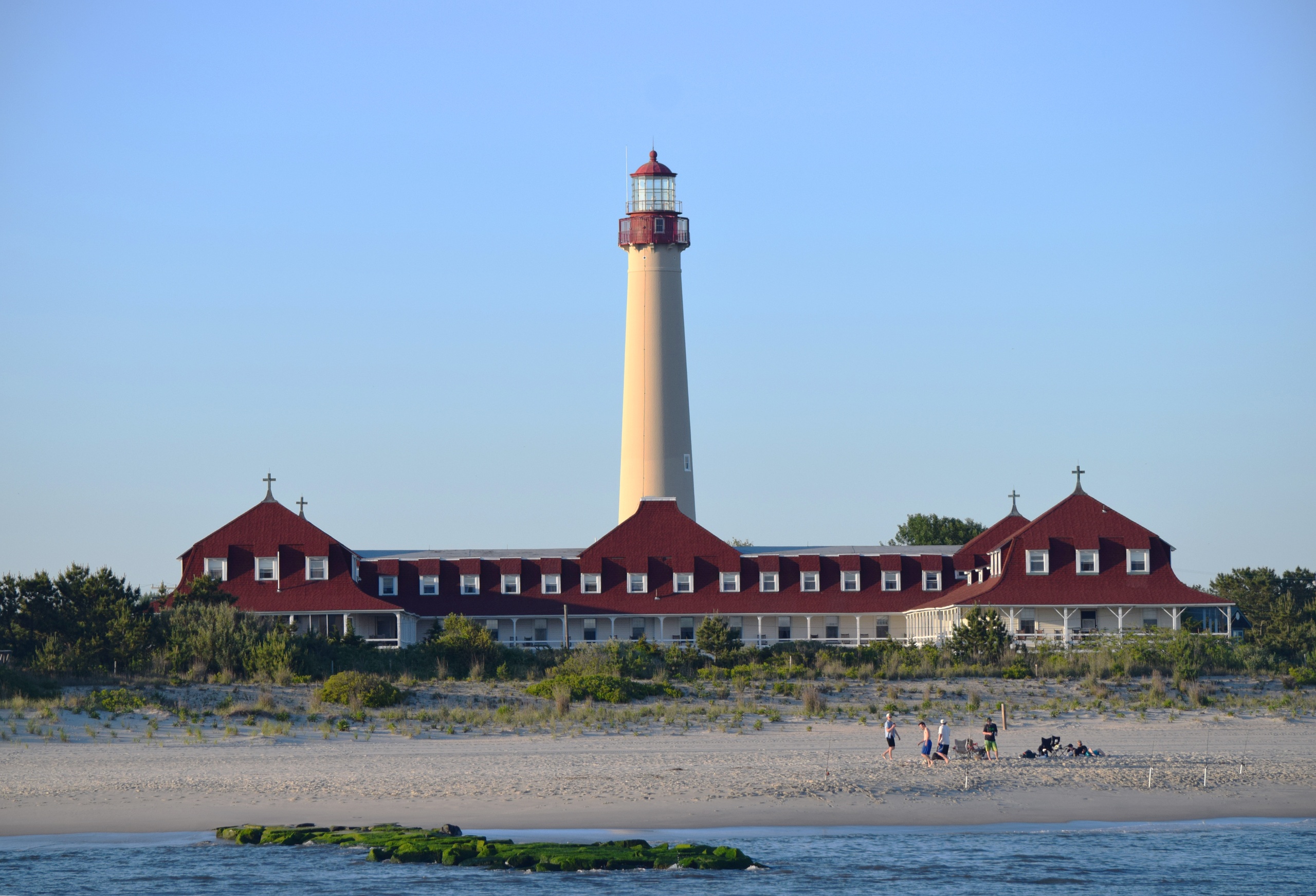
The city from the water

Why Somers Point Is a Great Place for Dolphin Experiences

Somers Point sits at the confluence of salt marsh, shallow bay, and ocean inlet—a stitched landscape that funnels baitfish and draws marine predators into view. In summer and early fall, bottlenose dolphins follow those food sources into Great Egg Harbor Bay and along the jetties near the ocean inlet, producing some of the most reliably visible behavior along New Jersey’s mid-Atlantic coast. The experience here is intimate by design: boats thread narrow channels, kayakers paddle quiet edges, and observers onshore watch bow-riding pods cut across sun-glittered water. The appeal is both cinematic and practical. You can see dolphins breach and ride the wake of a passing launch, slip quietly alongside a mother and calf in shallow water, or watch a small group work an incoming tide as they chase schools of menhaden and sand eels. Unlike deep-sea whale watching, dolphin outings from Somers Point are short, accessible, and often family-friendly—perfect for half-day plans that leave room for a boardwalk stroll or a seafood meal afterward. That accessibility also invites responsibility: animals in bays are more vulnerable to disturbance, so local operators emphasize a code of conduct—steady speeds, no chasing, and no feeding. Many guides combine natural history narration with practical conservation notes, helping visitors understand why keeping distance preserves both the sighting and the animals’ long-term health. The human story is woven into the marshes and channels. Somers Point’s working waterfront, small marinas, and seasonal fisheries have shaped how people interact with the sea for generations. Modern dolphin trips are part wildlife viewing, part cultural immersion—captains explain how tides and weather shape sightings, point out historic navigation markers, and describe local fisheries that coexist with the animals. Seasonality matters: water temperature, bait runs, and breeding cycles change the density and behavior of dolphins across months. Early mornings and incoming tides tend to concentrate prey and boost activity; conversely, busy holiday weekends sometimes scatter wildlife or crowd boats into narrow viewing areas. For travelers, the result is a mix of high-reward moments and practical trade-offs: planning for calm seas, smaller boats, and operators who prioritize stewardship will increase the odds of a memorable, ethically minded encounter. Finally, Somers Point is a launching pad for complementary experiences. Pair a dolphin cruise with a scenic paddle through marsh creeks, a birding walk at the edge of the bay, or a visit to nearby barrier-island beaches where seals and shorebirds add context to a marine-focused trip. Whether you want the adrenaline of a fast skiff, the quiet pulse of a kayak, or the interpretive depth of a research-charter, Somers Point’s dolphin offerings are curiously versatile—rooted in tidal science, local maritime culture, and a growing ethic of low-impact wildlife tourism.

Dolphins in the Somers Point area are primarily bottlenose; sightings peak when baitfish concentrate in channels and at inlets—often around incoming tides and early mornings.

Operators vary: family-friendly sightseeing boats, small-group eco-charters, and paddle-sport trips each offer different vantage points and rules for interaction.

The harbor is the gateway, and the Pacific becomes the classroom.

Conservation-minded behavior—no feeding, no chasing, and obeying approach-distance guidelines—improves sighting quality and protects local populations.
Activity focus

Choose by purpose

Whale watching, snorkeling, sunset sailing, cultural canoeing, harbor sightseeing, or private chartering.

Departure hubs

Start near the city

Waikiki and Honolulu Harbor are primary hubs, with some trips launching near Hanauma Bay.

Accessibility

Confirm the vessel

Gangways, shaded seating, and boarding requirements vary according to vessel size and operator.

Seasonal planning

Best Time to Visit

Somers Point is warm year-round, but wind, swell, migration, visibility, and demand change the best match between traveler and trip.

Somers Point boat tour
Year-round destination

Seasonal highlights change the reason to go

Winter favors humpback encounters; warmer, calmer months favor snorkeling visibility and smoother water.

Humpback season

June–September (highest tourist and boat-traffic levels)

Prime whale watching, winter holidays, higher demand, and earlier sell-outs.

Snorkeling window

May–June–July–August–September–October

Typically gentler seas and clearer water for snorkeling trips.

Weather notes

Trade winds year-round

Late spring through early fall brings warmer water and more consistent baitfish runs; mornings are typically calmer. Nor'easters and tropical systems can produce rough seas in late summer and fall—check marine forecasts before heading out.

Quieter opportunities

Late spring & summer weekdays

May and October can offer quieter trips and still-good sightings—cooler water may concentrate prey and produce active feeding behavior.

Match the trip to your comfort

Choose Your Experience Level

Low effort

Beginner

Shoreline watching and large-boat sightseeing tours—minimal physical demand, great for families and first-time wildlife viewers.

  • Half-hour to two-hour dolphin sightseeing cruise
  • Short guided jetty or inlet observation tour
  • Family-friendly interpretive outings
Active day trip

Intermediate

Small-boat eco-charters and tandem kayak trips that require basic seaworthiness and some comfort on smaller craft.

  • Small-group eco-charter with naturalist commentary
  • Guided tandem kayak Dolphin and Marsh tour
  • Sunrise boat trip timed to incoming tide
Longer or technical

Advanced

Self-guided paddle-sport outings in changing bay conditions or participation in research-oriented charters that may involve longer days and hands-on work.

  • Solo kayak or SUP trips in open bay (experienced paddlers only)
  • Volunteer or research-crew participation on specialized charters
  • Offshore launches when combined with other marine wildlife excursions

Prepare for sun, spray, and swell

What to Bring

Essential

Core kit

  • Wind- and water-resistant jacket (sea spray and breeze are common)
  • Sunscreen and sun hat
  • Reusable water bottle and light snacks
  • Motion-sickness medication if prone to seasickness
  • Charged phone in a waterproof case or dry bag
Recommended

Useful extras

  • Binoculars for distance viewing
  • Compact camera with a zoom lens
  • Small waterproof bag or dry sack
  • Light layers for changing conditions
Optional

Trip-specific

  • Waterproof camera or action cam for bow-riding shots
  • Light gloves for paddling on kayak/SUP trips
  • Notebook for jotting natural-history notes
Respect wildlife and local regulations—dolphins are wild animals and their behavior can change quickly.

Insider Tips & Local Knowledge

Reserve whale-watching and popular sunset cruises well ahead during December–April.
Choose morning snorkeling departures for calmer seas and better underwater visibility.
For motion sensitivity, choose a larger vessel, sit mid-ship, and take preventative medication before boarding.
Do not touch coral or wildlife, avoid standing on reefs, and use reef-safe sunscreen.
Community-based operators may add context about traditional navigation and stewardship.
Arrive early for parking and check-in because Waikiki departure areas can be busy.

Planning questions

Frequently Asked Questions

No individual permit is required for passengers on commercial tours. If you plan a private charter or research activity, check with local authorities and the operator for any specific requirements.
Dolphin Watching & Encounters in Somers Point, New Jersey
Ready for your dolphin adventure?

Browse 4 verified trips in Somers Point.

Compare current availability and book with instant confirmation.

Explore Somers Point dolphin