Why Somerton Is a Standout Sightseeing Destination
There is a particular pleasure to sightseeing in a place where the scenery is not designed to astonish but to accumulate detail: shop signs softened by sun, the slow arc of a river, porches where seasonal flags flutter. Somerton rewards the slow look. Its tours are organized around human scale — block by block, bend by bend — and they translate quiet everyday things into travelable stories. On a good walking tour you’ll notice how masonry patterns mark generations of commerce, how a single intersection can tell the town’s industrial past, and how the landscape beyond the last houses opens into working fields and riparian greenways.
Seasonality shapes the mood. Spring brings a green clarity — buds, early blooms, and a water level in the river that makes tributary channels more readable. Summer tours favor early mornings and twilight drives to dodge heat and to catch the low-angle light on painted clapboard. Fall is the most cinematic, when hedgerows and avenue trees color the small hills and make a short loop feel like a scenic drive. Winter sightseeing is quieter and more intimate: museum stops, heritage buildings, and covered drives that frame smoke rising from chimneys and the architecture of light.
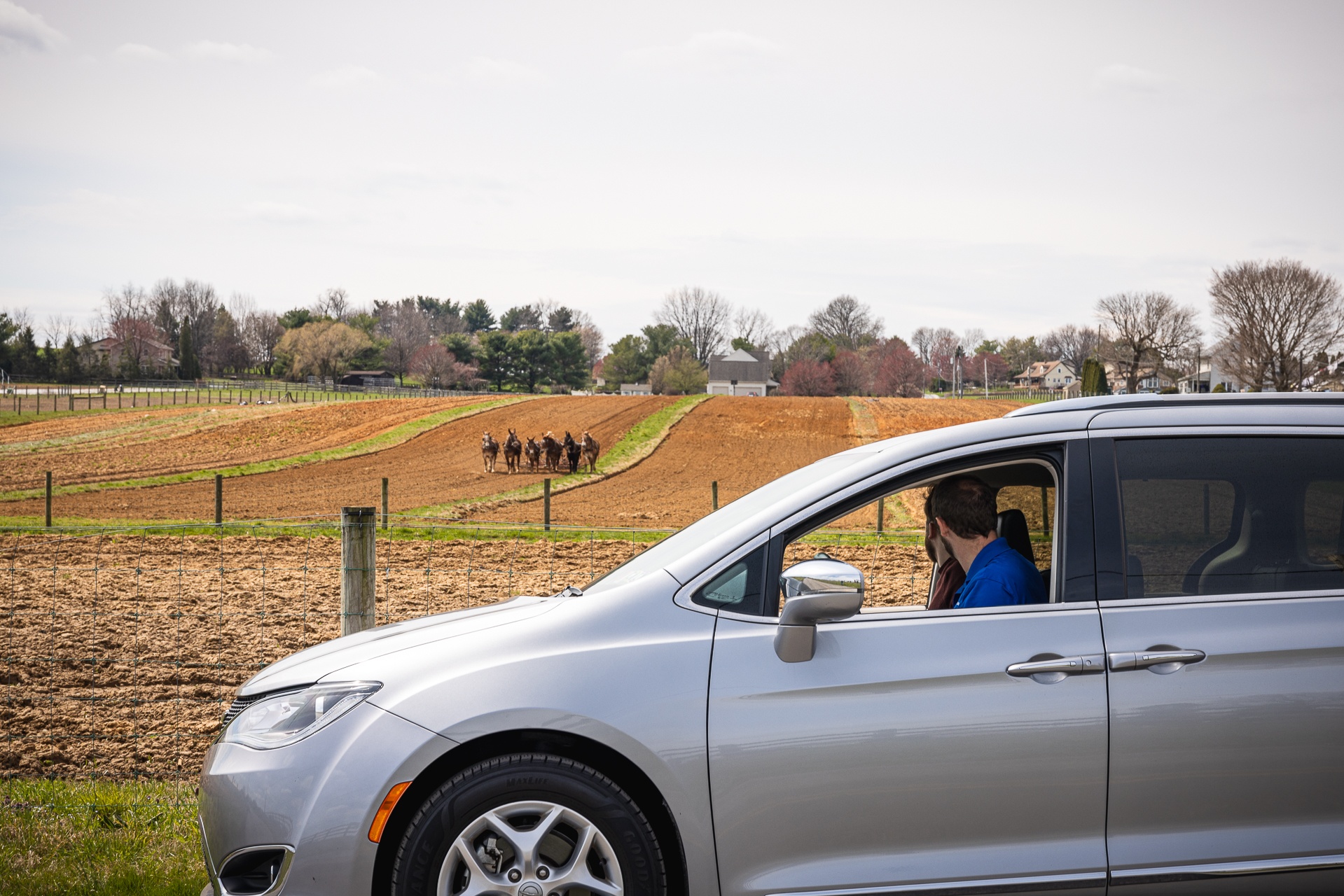
Beyond aesthetics, Somerton’s sightseeing tours are practical access points to local life. A guided walking tour often includes conversations with shopkeepers, visits to a refurbished community hall, and a stop at a local bakery where a short tasting anchors the story. Driving or van tours stitch together river overlooks, roadside stands, and a pastoral stretch where farm lanes flatten the horizon. River‑based sightseeing — seasonal and weather dependent — recasts the town from the waterline and highlights wetlands, heron roosts, and old mill foundations that are otherwise easy to miss. For travelers who like to stay largely on paved routes, Somerton offers accessible loops; for those who want a little off-trail texture, many tours add short, level walks on packed-surface paths.
Practically, tours here range from 60 minutes to half‑day experiences and generally require light mobility rather than strenuous fitness. They pair well with complementary activities: a morning cycling loop to warm up before a guided history walk, an afternoon birdwatching stop after a scenic drive, or a farm-stand visit to end a food-focused sightseeing route. Whatever the format, Somerton’s sightseeing tours are best approached with patience — with time to pause at a corner bench, to follow a side street, and to listen when a guide points out the small human traces that give place its character.
Many tours are neighborhood- or theme-based: architectural walks, food-and-market routes, riverfront drives, and agricultural loops.
Accessibility varies by tour: select walking tours offer mostly paved paths and curb cuts, while van tours accommodate seated comfort and longer mileage.
Tour lengths cluster around 1–4 hours; combine short tours with nearby activities like cycling, kayaking, or museum visits to make a full day.