Why Somerton Is a Walking-Tourer's Unexpected Gem
If you arrive with only an outline on a map, Somerton rewards the patient walker. The neighborhood resists the theatrics of tourist staples and instead offers a quieter kind of discovery: layers of immigration and suburban expansion written in façades, pocket parks that stage seasonal dramas of migrating birds and wildflowers, and a network of quiet streets that lead to creeks and old mills that once threaded the region. Walking tours here are less about a single marquee sight and more about cadence—the rhythm of storefronts, porches, and intersections that tell a hundred modest stories.
On foot the scale changes. A row of early-20th-century workers’ cottages becomes an archive of material culture; a strip of municipal green space reveals microhabitats and watermanagement history; a single bakery on a side street becomes an argument for why neighborhood economies matter. This intimacy is the core appeal for walking-tour travelers: the ability to move slowly enough to read a landscape and to hear local voices—shopkeepers, park stewards, long-time residents—who animate history, from industrial-era development to postwar suburbia and contemporary community revitalization.
Seasonality shapes the tone of Somerton walks. Spring and early summer amplify creekside and parkland tours—warblers and spring ephemerals, swollen streams, and the particular green of newly leafed trees. Fall is detailed in architecture tours and market walks: softer light, harvest-themed community events, and crisp air that makes long loops comfortable. Winter compresses time into concentrated routes—museum visits, indoor stops at historic societies, and carefully chosen café breaks—while still offering quiet paths and surprising roadside vignettes. In the heat of midsummer, morning and evening walks are best; midday becomes a time for shaded greenways or air-conditioned interpretive stops.
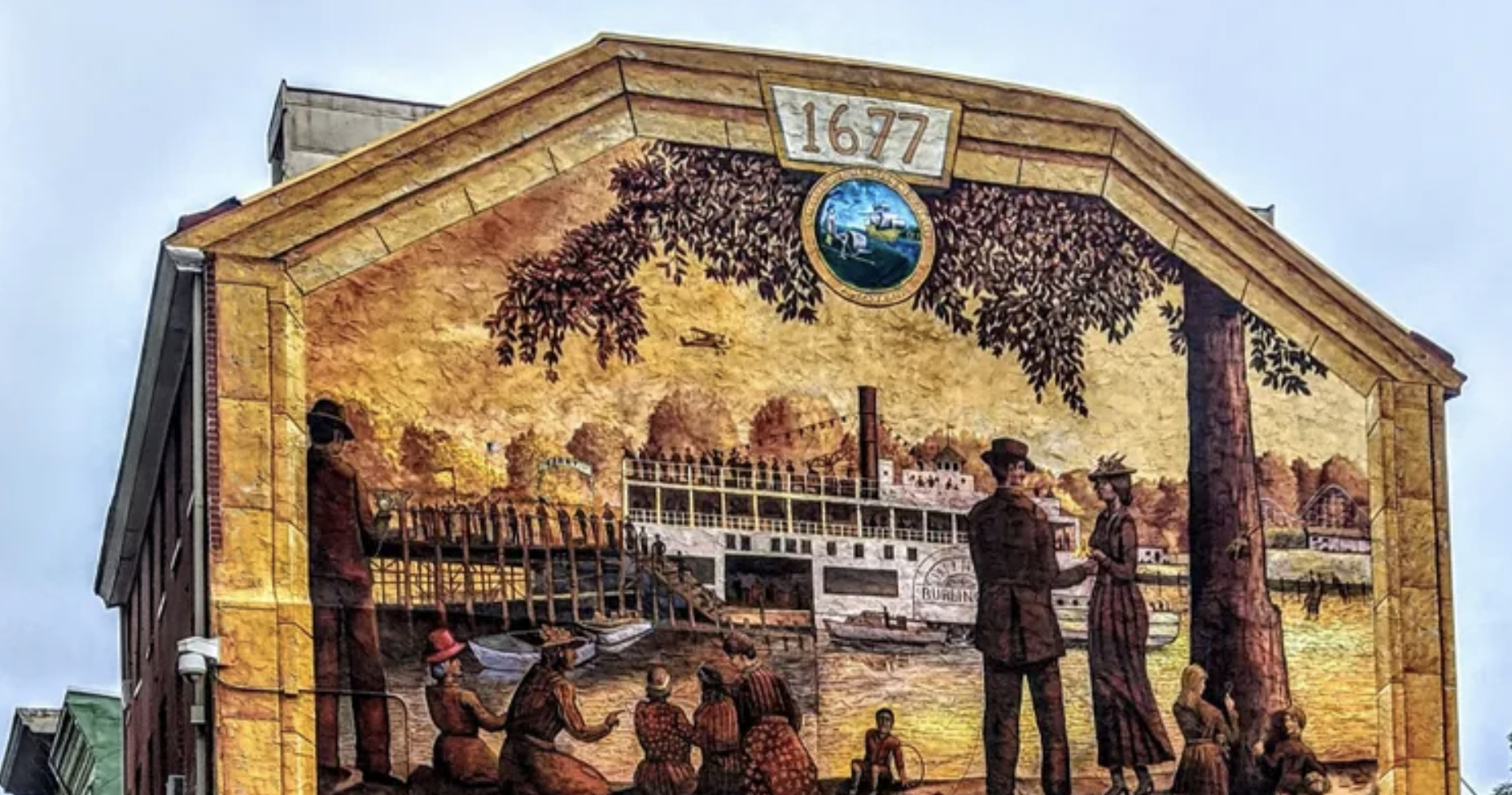
Practically, Somerton walking tours are accessible and adaptable. Many routes are flat or gently rolling, suitable for families and casual travelers, though some creekside paths may be uneven or muddy after rain. Public transit connections and neighborhood parking make landing points flexible: you can stitch together short themed tours—architecture + mural walks, nature + creek walks, market + food tours—into a full day or spread them across a weekend. Thematic guides and local historians often turn up on scheduled tours, adding depth for travelers who want context beyond what a map provides.
Finally, walking in Somerton offers a chance to see how urban edges evolve: where farmland yielded to factories and later to residential neighborhoods, and where community-led conservation and small-business resilience reshape public life. For travelers who prize observation, human-scale stories, and ecological detail, Somerton’s walking tours are both a gentle invitation and a steady reward.
Walking tours in Somerton emphasize accessible routes—neighborhood loops, creekside paths, and market-centered circuits—making them ideal for families, solo travelers, and mixed-ability groups. Expect short blocks of interpretive signage, stops at community hubs, and paired experiences like local coffee breaks or pop-up markets.
Guided walks, when available, often highlight civic history, immigrant narratives, and green-infrastructure projects; self-guided options are best for flexible pacing and for layering other activities like cycling on shared paths or visiting nearby nature preserves.