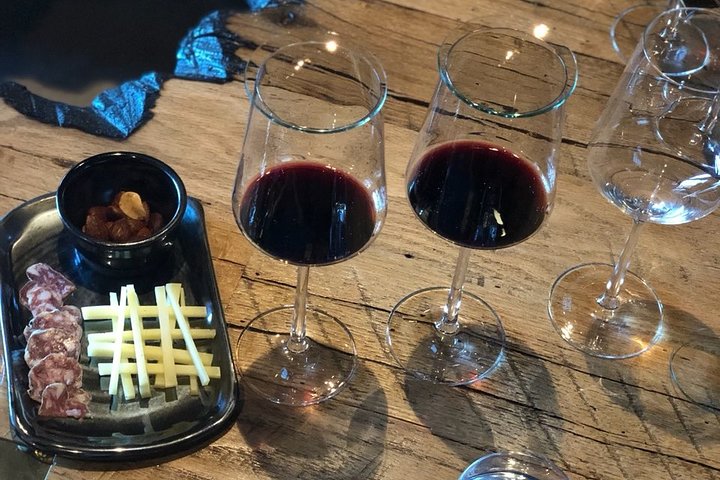
Why Sonoma Is a Standout Bus Tour Destination
Sonoma’s appeal for bus touring is pragmatic and poetic at once. The valley is stitched with family-run vineyards, historic town centers, and pastoral backroads where every bend promises a new tableau: rows of gnarled vines receding toward oak-lined ridgelines, the glittering ribbon of the Russian River, and farmstands punctuating lanes with seasonal color. A bus tour is an invitation to travel those lanes without the friction of logistics—no parking hunts, no designated-driver compromises, no worry about navigating narrow country roads. Instead, you get time to listen to a guide explain the difference between Russian River Chardonnay and Sonoma Coast cool-climate Pinot, to ask questions about sustainable farming, or to lean back and watch the light edge across a vineyard as the bus climbs toward a tasting room perched above a valley.
Those micro-lessons matter because Sonoma isn’t just one thing: it is a constellation of microclimates and histories. In a single day you might move from the geothermal warmth of Carneros to the fog-pressured slopes toward the coast, or from the Spanish-era plaza of Sonoma into the boutique wineries of Glen Ellen. Bus tours are designed to compress that variety—sampling different terroirs, winery philosophies, and complementary outdoor activities like short vineyard walks, botanical gardens, or riverside picnic stops—into a single, manageable itinerary. For travelers who prefer not to drive after a tasting, are visiting with a multi-generational group, or want richer local context, the bus tour is both safe and socially generative: guides become interpreters of landscape and history, drivers navigate county backroads with practiced ease, and the group rhythm allows for pacing that private driving often does not.
Beyond convenience, bus tours in Sonoma can be deeply thoughtful about place. Many operators collaborate with small producers who limit public tasting access, opening doors to family estates and cellar conversations that feel intimate precisely because a group arrives with purpose. Seasonal rotation keeps the experience fresh: spring brings neon cover-crops and fast-growing buds; harvest season converts the valley into a working festival of forklifts and late-night sorting; winter’s quieter months offer softer light and easier access to small producers. For active travelers, bus tours often pair well with other outdoor pursuits—morning hot-air balloon launches followed by a bus-based winery circuit, or a bus pickup after a riverside paddle along the Russian River—creating hybrid days that feel both immersive and effortless. In short, bus tours are a superior way to layer access, storytelling, and the region’s natural beauty into a single, relaxed day of exploration.
Bus tours reduce friction—no navigating, no parking, and a built-in social rhythm that lets you focus on tasting and landscape.
They offer access to small producers and cellar doors that limit walk-up visitors, especially when coordinated with local guides.
Seasonal shifts—budbreak, bloom, harvest—reshape the experience; operators often design itineraries around these rhythms.
Bus tours pair naturally with other activities: ballooning at sunrise, short vineyard walks, or riverside picnics after a tasting.