Kayak South Daytona: Estuaries, River Runs & Coastal Paddle Routes
South Daytona Kayak Guide

Kayak South Daytona: Estuaries, River Runs & Coastal Paddle Routes

South Daytona compresses the best of Florida paddling into a tidy map: broad tidal rivers, protected estuarine marshes that funnel birds and fish, and easy access to the Intracoastal for longer coastal runs. This guide focuses on kayaking routes, launch logistics, seasonal considerations, and companion activities that make South Daytona an attainable day-trip or quiet multi-day paddle base.

Halifax RiverIntracoastal WaterwayEstuarine Marshes

Live destination inventory

Top Kayak Trips in South Daytona

57 trips · Book with confidence · Instant confirmation

The prototype intentionally does not invent replacement trip cards or add images that are not already part of the live source page.

The city from the water

Why South Daytona Is a Standout Kayaking Destination

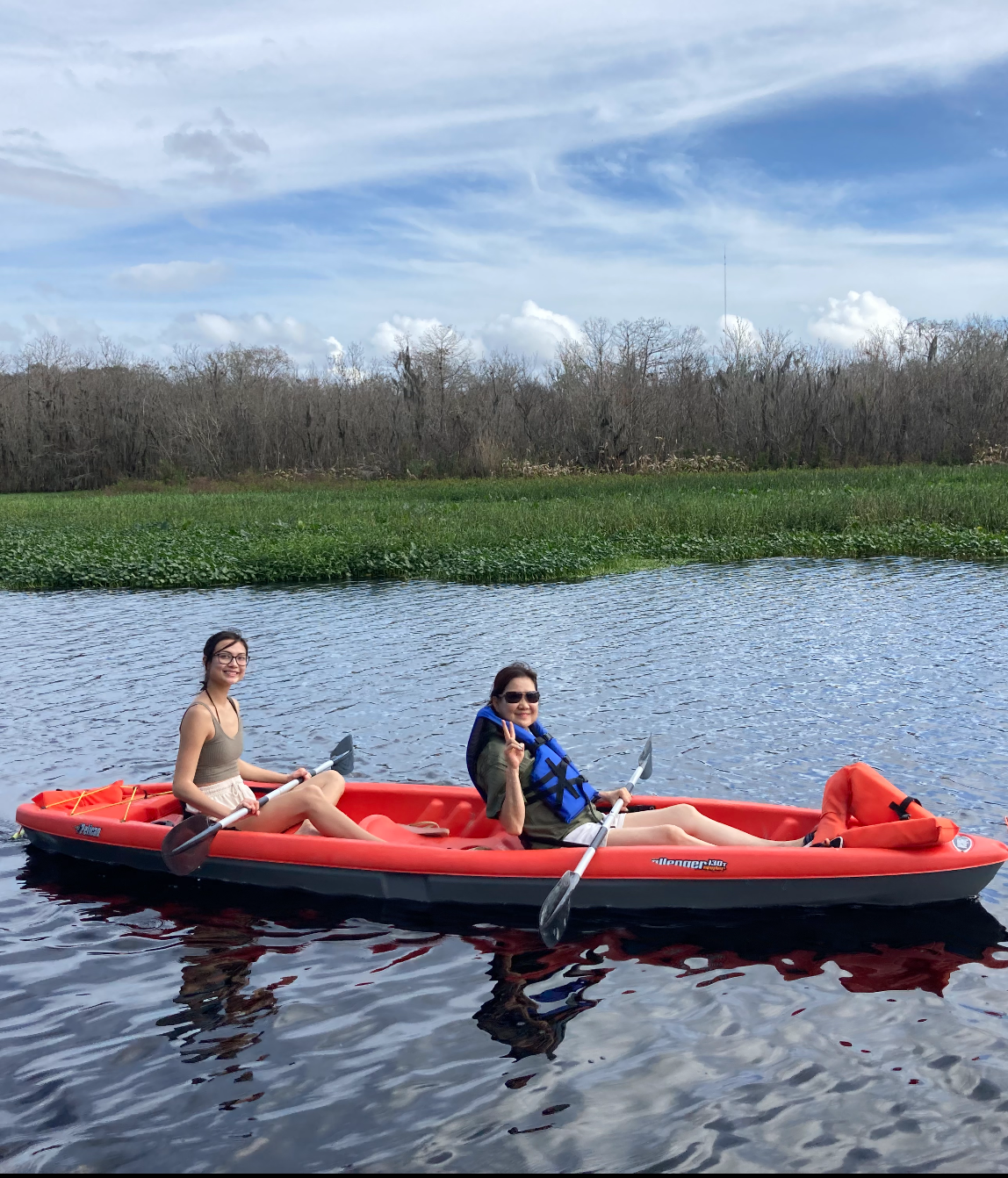
South Daytona is an invitation to slow water. Here the Atlantic’s pulse has been filtered through barrier islands and salt-marsh fingers so paddlers move through a landscape designed for low-and-slow travel: broad, sheltered rivers, maze-like creeks, and long, languid estuaries that host migrating birds, manatees, and seasonal bait runs. The Halifax River—part of the Intracoastal Waterway—threads the region, offering long, navigable stretches that read like a kayak highway for anyone who wants to build distance without committing to open-ocean conditions. Interwoven with that are smaller tributaries and marsh channels that reward careful exploration: tight, narrow cuts lined with cordgrass, oyster bars, and mangrove roots where shorebirds and juvenile fish stage and hide. Paddling here is both practical and cinematic. Launch in the soft light of morning when the water is glass and the nearest fishing boats are still at their slips; watch the long shadows of herons and egrets cast across the surface. In summer, afternoons bring a breeze off the ocean and the occasional rain cell that can slice the water into a choppy series of whitecaps—perfect for experienced paddlers seeking a little spice. Winter and spring compress a different rhythm: migrating waterfowl, larger schools of baitfish, and cooler, friendlier air for half-day loops. For people who favor wildlife over waves, South Daytona offers concentrated encounters without the long drives that characterize other Florida paddling destinations. Beyond the water itself, the cultural and logistical context matters. South Daytona’s low-lying built environment keeps launch points accessible; public boat ramps, city parks on the Halifax River, and nearby rental outfitters make an easy day out of a downtown-to-marsh paddle. If you want to expand the trip, the Intracoastal opens routes north toward Daytona Beach and south toward Port Orange and beyond, connecting a string of coastal towns with predictable navigation markers. Complementary activities—stand-up paddleboarding in calmer channels, shore fishing from quiet estuary sandbars, bicycling the scenic river roads—pair naturally with a kayak-based itinerary. The environmental story is subtle but present: salt marshes and mangroves are resilient yet vulnerable ecosystems that rely on responsible paddling. Keep distance from nesting and roosting birds, avoid dragging boats over oyster bars, and use established launch points to minimize trampling of shoreline vegetation. Tide and wind shape each day’s experience; a plan built around tide charts and an eye on the weather will turn a good paddle into a great one. For paddlers who want a mix of easy-access routes and more exploratory side-channels, South Daytona is a remarkably accommodating place to learn, practice, and return again and again.

The Halifax River and adjacent Intracoastal Waterway create a forgiving, navigable network for paddlers of all levels—long straight runs for building mileage and narrow creeks for wildlife spotting.

Wildlife is a central attraction: manatees in cooler months, shorebirds and wading birds year-round, and an abundance of estuarine fish life close to oyster bars and salt marsh edges.

The harbor is the gateway, and the Pacific becomes the classroom.

Logistics are straightforward: public ramps, city parks, and nearby outfitters reduce friction for visitors. Pair a morning paddle with a town-side coffee stop and you have a full, low-effort adventure day.
Activity focus

Choose by purpose

Whale watching, snorkeling, sunset sailing, cultural canoeing, harbor sightseeing, or private chartering.

Departure hubs

Start near the city

Waikiki and Honolulu Harbor are primary hubs, with some trips launching near Hanauma Bay.

Accessibility

Confirm the vessel

Gangways, shaded seating, and boarding requirements vary according to vessel size and operator.

Seasonal planning

Best Time to Visit

South Daytona is warm year-round, but wind, swell, migration, visibility, and demand change the best match between traveler and trip.

South Daytona boat tour
Year-round destination

Seasonal highlights change the reason to go

Winter favors humpback encounters; warmer, calmer months favor snorkeling visibility and smoother water.

Humpback season

Spring migration and early fall are popular for wildlife and comfortable weather.

Prime whale watching, winter holidays, higher demand, and earlier sell-outs.

Snorkeling window

March–April–May–October–November

Typically gentler seas and clearer water for snorkeling trips.

Weather notes

Trade winds year-round

Spring and fall offer the most temperate paddling—calmer winds and moderate temperatures. Summer brings heat, higher humidity, and afternoon thunderstorms; winter is cooler and often excellent for birding and manatee sightings.

Quieter opportunities

Late spring & summer weekdays

Summer mornings can be quiet and warm for early paddles; winter offers clearer skies and concentrated wildlife viewing with lower humidity.

Match the trip to your comfort

Choose Your Experience Level

Low effort

Beginner

Short, sheltered loops through wide channels and protected marsh edges where boat traffic is light and navigation is straightforward.

  • Half-day estuary wildlife loop
  • Calm morning paddle on a protected channel
  • Introductory guided kayak wildlife tour
Active day trip

Intermediate

Longer outward-and-back runs on the Halifax River or Intracoastal with minor currents and occasional boat wakes; requires basic navigation and comfort handling wakes.

  • Multi-mile Intracoastal day run
  • Estuary route linking multiple launch parks
  • Evening paddle timed for golden light and bird activity
Longer or technical

Advanced

Extended coastal crossings, long-distance mileage on the Intracoastal with exposure to wind and higher boat traffic, or technical creek exploration at low tide requiring precise route-finding.

  • Full-day coastal linking paddle to neighboring towns
  • Tidal-challenged creek exploration at low tide
  • Self-supported overnight kayak camping trip (where permitted)

Prepare for sun, spray, and swell

What to Bring

Essential

Core kit

  • USCG-approved life jacket (wear it)
  • Dry bag for phone, keys, and layers
  • Hydration (1–2 liters per person for half-day trips)
  • Sun protection: hat, polarized sunglasses, reef-safe sunscreen
  • Tide and wind information (apps or printed chart)
Recommended

Useful extras

  • Bilge pump or sponge for sit-on-top kayaks
  • Waterproof phone case and spare battery
  • Light, compact first-aid kit
  • Light windbreaker or spray shell for breezy conditions
  • Map or waypoints for longer Intracoastal runs
Optional

Trip-specific

  • Camera with telephoto lens for birding
  • Binoculars for estuary wildlife viewing
  • Small anchor or stake for fishing from the kayak
  • Towel and change of clothes
Confirm launch access, parking rules, and local advisories before you go.

Insider Tips & Local Knowledge

Reserve whale-watching and popular sunset cruises well ahead during December–April.
Choose morning snorkeling departures for calmer seas and better underwater visibility.
For motion sensitivity, choose a larger vessel, sit mid-ship, and take preventative medication before boarding.
Do not touch coral or wildlife, avoid standing on reefs, and use reef-safe sunscreen.
Community-based operators may add context about traditional navigation and stewardship.
Arrive early for parking and check-in because Waikiki departure areas can be busy.

Planning questions

Frequently Asked Questions

Most public waterways do not require a kayak-specific permit. Some state parks or protected areas with managed launches may charge parking or entry fees—check the specific launch site before you go.
Kayak South Daytona: Estuaries, River Runs & Coastal Paddle Routes
Ready for your kayak adventure?

Browse 57 verified trips in South Daytona.

Compare current availability and book with instant confirmation.

Explore South Daytona kayak