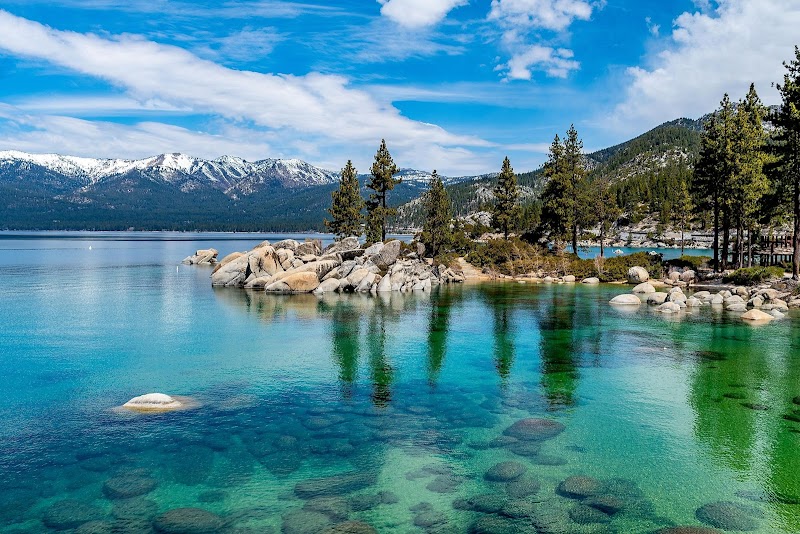
Why South Lake Tahoe Is a Standout Hiking Destination
South Lake Tahoe condenses the Sierra Nevada’s drama into shoreline and summit in a way few places can. You step off a pine-scented trail and the lake sprawls below—an impossible blue edged with granite—then climb 1,500 to 3,000 vertical feet and the world rearranges: the lake becomes a jewel cradled in ridgelines, afternoon clouds build into thunderheads, and the thin air makes every step feel earned. Hikes around South Lake Tahoe run a useful gamut: quick, family-friendly cascades and viewpoint loops rooted in lake lore; moderate shorelines that stitch together sandy coves and historic sites; and strenuous, high-elevation climbs that push into alpine talus and subalpine meadows.
There’s a cultural and natural layering here. Indigenous Washoe people have lived in the Tahoe basin for millennia—routes and places around Emerald Bay and Fallen Leaf carry stories that amplify the experience of place. In the late 19th and early 20th centuries, roads and rustic camps opened up the basin to summer visitors, and many of today’s trailheads still mirror those routes. Ecologically the area sits at a crossroads: montane forests of Jeffrey pine and fir, granite bedrock shaped by ancient glaciers, and fragile alpine plant communities that rebound slowly from trampling. That fragility is one reason trails are so carefully managed and why some of the best experiences are the ones where you plan ahead and respect seasonal closures.
For planning, the terrain and altitude define the logistics. Many classic hikes start at 6,200–7,000 feet and move above 8,000–9,000 feet; that means cooler, thinner air and a higher chance of late-season snow at upper elevations. Summer offers the most predictable window—stable trails, wildflowers, and long daylight—but afternoons can bring lightning and short, fierce storms. Spring and early summer are remarkable for cascading runoffs and swollen rivers, while fall brings clear air and quieter trails. Winter converts route-finding into a technical exercise; snowshoes, microspikes, or skis are essential for safe travel. The payoff is immediate: granite viewpoints, mirrored bays like Emerald Bay, and a felt intimacy with high country that’s rare for an easily accessible lakeside town.
South Lake Tahoe’s hiking network is exceptionally varied: short exchanges of time for view, multi-hour shoreline routes, and high-elevation summit climbs all within a 30–60 minute drive from town.
Desolation Wilderness—accessible from several trailheads near South Lake Tahoe—offers remote granite basins and permit-managed overnight zones; day permits can be required during busy months.
Weather and altitude shape every outing. Start early, watch for afternoon storms in summer, and plan for snow or icy sections into July at higher routes some years.