Why South Lake Tahoe Is a Standout Kayaking Destination
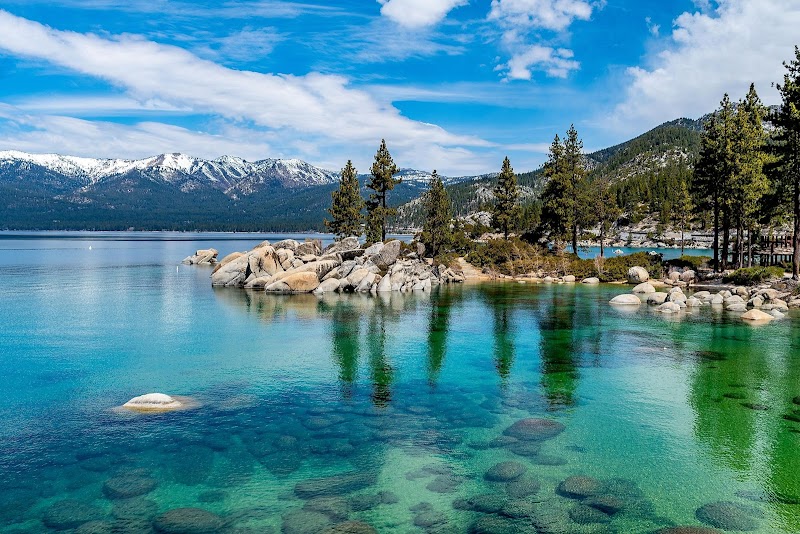
Lake Tahoe’s water has an almost mythic reputation: famously clear, often startlingly blue, and bordered by a rim of granite that reads like geological poetry. Kayaking in South Lake Tahoe compresses that grandeur into a human scale—the curl of a paddle through water that reveals the lake’s depth in a single stroke, the way sound carries across open bays, the pocket beaches that invite dry-pack lunches. Paddling here is an interface between alpine landscape and lake dynamics. In the morning, glassy conditions open up routes for novices and photographers; by afternoon, thermal winds and changing weather can turn long crossings into decisive navigational decisions. Knowing how to read the water and the sky is as important as choosing the right craft.
Beyond the immediate shoreline, the region layers history and stewardship into every outing. The Washoe people have called the Tahoe basin home for millennia; shoreline features and fishing places are part of a cultural landscape that predates the first recreational maps. Later, logging, mining, and the advent of tourism reshaped access and shoreline infrastructure—piers, boat ramps, and campgrounds that kayakers now use as launch points. Conservation efforts over the last century, including watershed protections and careful management of invasive species, have kept large swaths of lake and surrounding wilderness comparatively pristine, and that stewardship influences how paddlers plan trips: stick to designated launches, respect aquatic protections, and follow local guidance to avoid introducing invasive organisms between waters.
The diversity of paddling experiences is another reason South Lake Tahoe stands out. A short, sheltered paddle around Taylor Creek or the shallow fingers of Fallen Leaf Lake is excellent for families and first-time kayakers. Emerald Bay, with its hidden coves, Fannette Island, and the Vikingholm shoreline, offers cinematic routes that reward timing and a taste for open-water skills. For those who prefer solitude, early mornings and shoulder-season outings reveal quiet beaches and birdlife along the shorelines of Desolation Wilderness’s accessible fringe. Practical realities—parking at popular ramps, launch etiquette, and the reality of afternoon winds—shape when and how you go. Plan for variable weather, choose launches suited to the route you want, and let the lake’s scale inform your margin of safety.
The draw is both aesthetic and practical: glassy mornings for easy exploration, vivid light for photographers, and distinct route options from sheltered coves to open-bay crossings.
Seasonality and stewardship matter here—summer brings the highest visitation and the most stable temperatures, while late spring and early fall offer quieter water with cooler air and fewer crowds.