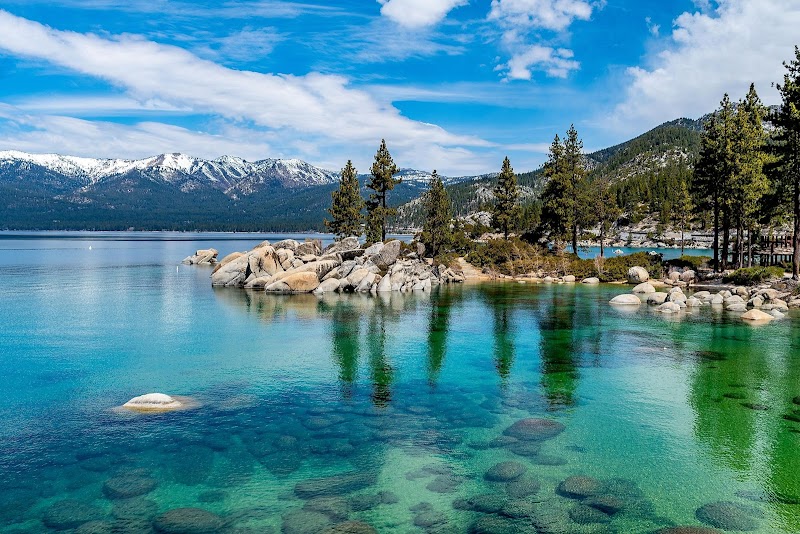
Why South Lake Tahoe's Marinas Matter
Marinas on the south shore are more than docking points; they are the interface between human planning and a living lake. South Lake Tahoe sits in a bowl of granite and forest where wind, sun, and altitude create a changing surface—flat and glassy at dawn, gusty and textured by afternoon sea breezes. Marinas here provide the infrastructure that turns that variability into opportunity: launch ramps for quick access, rental fleets for casual paddlers, fuel and pump-out for motorboats, and sheltered slips when a storm line moves in.
Beyond the physical services, the marinas shape how people experience Tahoe. They concentrate knowledge—local operators who can point you toward calm early-morning coves, the best fishing stretches, or sheltered anchorages before a wind build. They also concentrate commerce: outfitters, repair shops, and water-safety education centered on a lakeside economy. For travelers, the choice of marina influences your whole trip, from whether you spend the morning in a stand-up paddleboard class to whether you head west toward Emerald Bay for a late-afternoon photo run.
Finally, South Lake Tahoe's marinas occupy an ecological threshold. Lake Tahoe's famed clarity and the health of its shoreline are vulnerable to invasive species, fuel spills, and careless anchoring. Responsible marinas balance access and stewardship—running decontamination checks, offering pump-out services, and enforcing no-wake zones around sensitive shorelines. Planning a marina-based day here means thinking like both an explorer and a steward: know the conditions, choose the right craft, and leave the lake in better shape than you found it.
Marinas serve a spectrum of users—from families renting pontoons for a midday swim to anglers launching early for trout and mackinaw, to sailors chasing afternoon winds. Services vary: some facilities emphasize rentals and lessons, others longer-term moorage and mechanical services. Seasonality heavily determines what's open and how crowded ramps get.
Access logistics are a practical part of the experience. Expect circulation patterns: morning glass attracts anglers and paddlers; afternoons bring powerboats and more wind, which can make open-water crossings choppy. Planning around those rhythms is the fastest way to turn a marina visit into a memorable lake day.