SUP in South Lake Tahoe, California

Read the destination guide ↓
Popular Activities
More activities
0 adventures loaded
SUP in South Lake Tahoe, California
South Lake Tahoe SUP Guide

SUP in South Lake Tahoe, California

Crystal-clear water, granite shorelines, and alpine panoramas make South Lake Tahoe a rare SUP destination: simultaneously accessible to beginners and endlessly tempting for technical paddlers. This guide focuses on paddleboarding—from sheltered shoreline floats and guided sunset tours to multi-mile crossings and sheltered coves where you can tangle with glassy reflections and cold, pure water. Practical tips, seasonality notes, and on-water etiquette are woven throughout to help you plan everything from a first-time rental to a daylong expedition.

Lake TahoeEmerald BayZephyr Cove
By Robert Eric CrewsFounder & Editor, The Adventure Collective

SUP in South Lake Tahoe

Why South Lake Tahoe Is a Standout SUP Destination

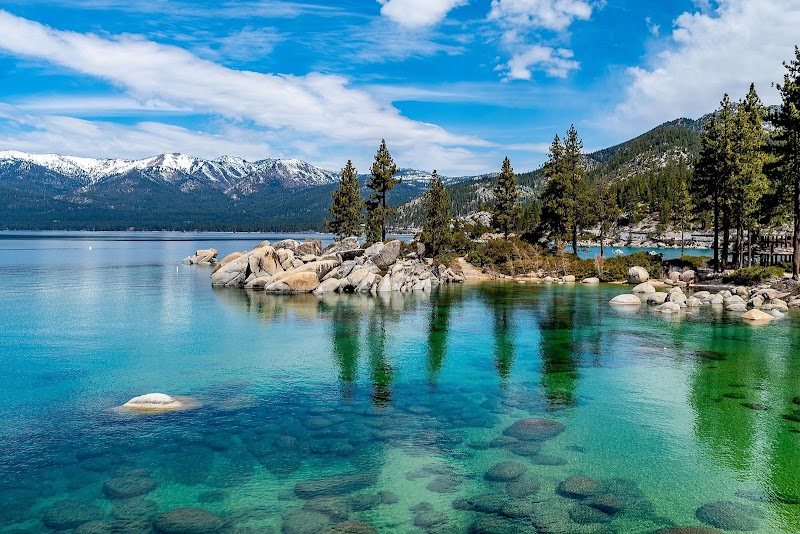
The first time you push off from a sandy pocket in South Lake Tahoe, the surface of the water reads like glass and the air tastes as clean as snow melt. Framed by granite ridgelines and lodgepole pines, the lake offers an unusually pure paddling experience: water so clear you can see your board’s shadow and stones beneath your feet, with mountain views that rotate subtly as light and wind change. That clarity and the bowl-like geography of the basin mean that even on warm summer days you can find pockets of calm—protected coves where mirror-flat water gives you the sense of surfing air instead of water.

But Lake Tahoe’s beauty comes with seasonal personality. Late spring brings cold inflows from the high country and quieter shorelines; mid-summer is the sunniest, busiest stretch when rental shops hum and beaches fill; by early fall the lake cools and visitor numbers thin, leaving long afternoons of golden light and clearer water visibility. For SUP paddlers the implications are practical: choose mornings or late afternoons to avoid chop caused by thermals, plan sheltered routes when winds forecast above 8–10 mph, and respect the water’s temperature—falls and swims are cold enough to require extra planning. The combination of varied shorelines, long clear sightlines, and local outfitters that cater to all skill levels means you can spend a day learning flat-water balance in a quiet bay, then graduate to longer crossings and guided photography tours without losing the thread of safety and support.

South Lake Tahoe is also an entry point to multi-sport days. Paddle out of a small cove to snorkel around a submerged granite shelf, then hike an adjacent ridge in the afternoon; rent a board for a sunrise launch and finish with a mountain-bike loop; or join a guided eco-tour to learn about native lake ecology and the historic logging and ferry routes that shaped the shoreline. Local operators, state parks, and the stewardship community maintain access points and interpretive programming that make paddling here both awe-inspiring and environmentally conscious. In short: whether you come for tranquil glides, glassy sunrise photography, or longer technical runs across wind-prone stretches, South Lake Tahoe delivers an alpine SUP experience that blends accessible convenience with real potential for exploration.

Sheltered bays like Emerald Bay and the coves near Taylor Creek offer beginner-friendly flat water and scenic shorelines, while longer exposed stretches to D.L. Bliss State Park present more sustained paddling and potential wind challenges.

The lake’s high-elevation setting means cooler water temperatures year-round; hypothermia is a real risk on long swims or capsizes, so plan clothing and emergency gear accordingly.

Local outfitters provide rentals, lessons, guided tours, and shuttles—perfect for visitors who want to skip bringing equipment or who prefer guided route choices and safety briefings.
Seasonal planning

Best Time to Visit

Seasonal conditions and travel timing in South Lake Tahoe.

South Lake Tahoe SUP
Seasonal planning

South Lake Tahoe throughout the year

Summer (June–September) brings the warmest air temps and the longest days; mornings are typically glassy before thermal winds pick up in mid to late morning. Spring can have cold runoff and early-season winds, while late fall sees fewer visitors and cooler water—both require warmer clothing and shorter paddles.

Peak season

July–August when rental shops and beachfronts are busiest.

Popular travel period with peak availability and booking demand.

Best months

June–July–August–September

Optimal seasonal conditions for outdoor trips.

Weather notes

Summer (June–September) brings the warmest air temps and the longest days; mornings are typically glassy before thermal winds pick up in mid to late morning. Spring can have cold runoff and early-season winds, while late fall sees fewer visitors and cooler water—both require warmer clothing and shorter paddles.

Off-peak opportunities

Late May and September provide quieter conditions and clearer water visibility; guided trips and rentals may reduce hours but offer more attentive instruction.

Match the trip to your comfort

Choose Your Experience Level

Low effort

Beginner

Calm, shallow bays and short shoreline hops that prioritize balance and confidence-building. Launch and land from sandy beaches with minimal current and wind exposure.

  • Shoreline paddle from Pope Beach to El Dorado Beach
  • Guided SUP lesson in a protected cove
  • Sunrise flat-water glide and photography session
Active trip

Intermediate

Longer distance paddles across open water, sheltered crossings into scenic coves, and variable wind conditions that require efficient stroke technique and basic navigation.

  • Paddle to Emerald Bay viewpoint with shore exploration
  • Circumnavigation of a small headland near Zephyr Cove
  • Sunset tour with a guided safety briefing and navigation
Technical or extended

Advanced

Exposed crossings, longer downwind runs, and multi-mile tours that demand strong strokes, wind-reading skills, and contingency planning for cold-water recovery.

  • Mid-lake crossing toward D.L. Bliss (wind permitting)
  • Extended downwind sessions with a supportive escort boat
  • Multi-sport day: long paddle plus shoreline hike into Desolation Wilderness access points

Prepare for your excursion

What to Bring

Essential

Core kit

  • Personal flotation device (PFD) — required or strongly recommended
  • Board leash (coiled for surf, straight for flatwater) and pump for inflatables
  • Layered clothing or a wetsuit/top depending on season — Lake Tahoe is cold
  • Waterproof dry bag for phone, keys, and emergency kit
  • Sun protection: hat, sunglasses with retainer, high SPF sunscreen
Recommended

Useful extras

  • Light wind jacket or neoprene top for early mornings and breezy afternoons
  • Map of launch points and a basic navigation plan for crossings
  • Whistle and small signaling mirror or compact VHF for remote paddles
  • Hydration system and high-energy snacks for longer paddles
Optional

Trip-specific

  • Neoprene booties for shallow rocky launches in shoulder seasons
  • GoPro or small waterproof camera on a floating mount
  • Portable hand pump and repair kit for inflatable SUPs
  • Binoculars for birding around marshy inlets like Taylor Creek
Always check the latest wind forecast, water temperature advisories, and beach access rules before launching. Outfitters and park rangers are good sources of real-time conditions.

Insider Tips & Local Knowledge

Start early for the calmest water—thermals often pick up by late morning and can build into steady afternoon wind. If you plan a crossing, monitor wind direction and strength; what looks like a short line on the map can feel twice as long on a beam chop. Wear a leash and PFD even in short paddles—the lake’s water is cold enough for rapid fatigue. When stopping at shorelines, use marked access points and respect private property; many beaches have fragile vegetation and nesting birds. Book rentals and guided tours in advance during July and August. For photography, the best light is the first two hours after sunrise and the last 90 minutes before sunset—those windows often coincide with the calmest water. Finally, if you’re new to inflatables, check pressure and valve seating before launch and carry a patch kit; many local operators will demonstrate setup and give route advice.

Planning questions

Frequently Asked Questions

Most day paddling from public beaches or launch points does not require a boating permit for non-motorized craft, but motorized support boats, overnight backcountry camping, or commercial operations may have different regulations. Check state and local rules before you go.
SUP in South Lake Tahoe, California
Ready for your sup adventure?

Browse trips in South Lake Tahoe.

Compare current availability and book with instant confirmation.

Explore South Lake Tahoe sup →