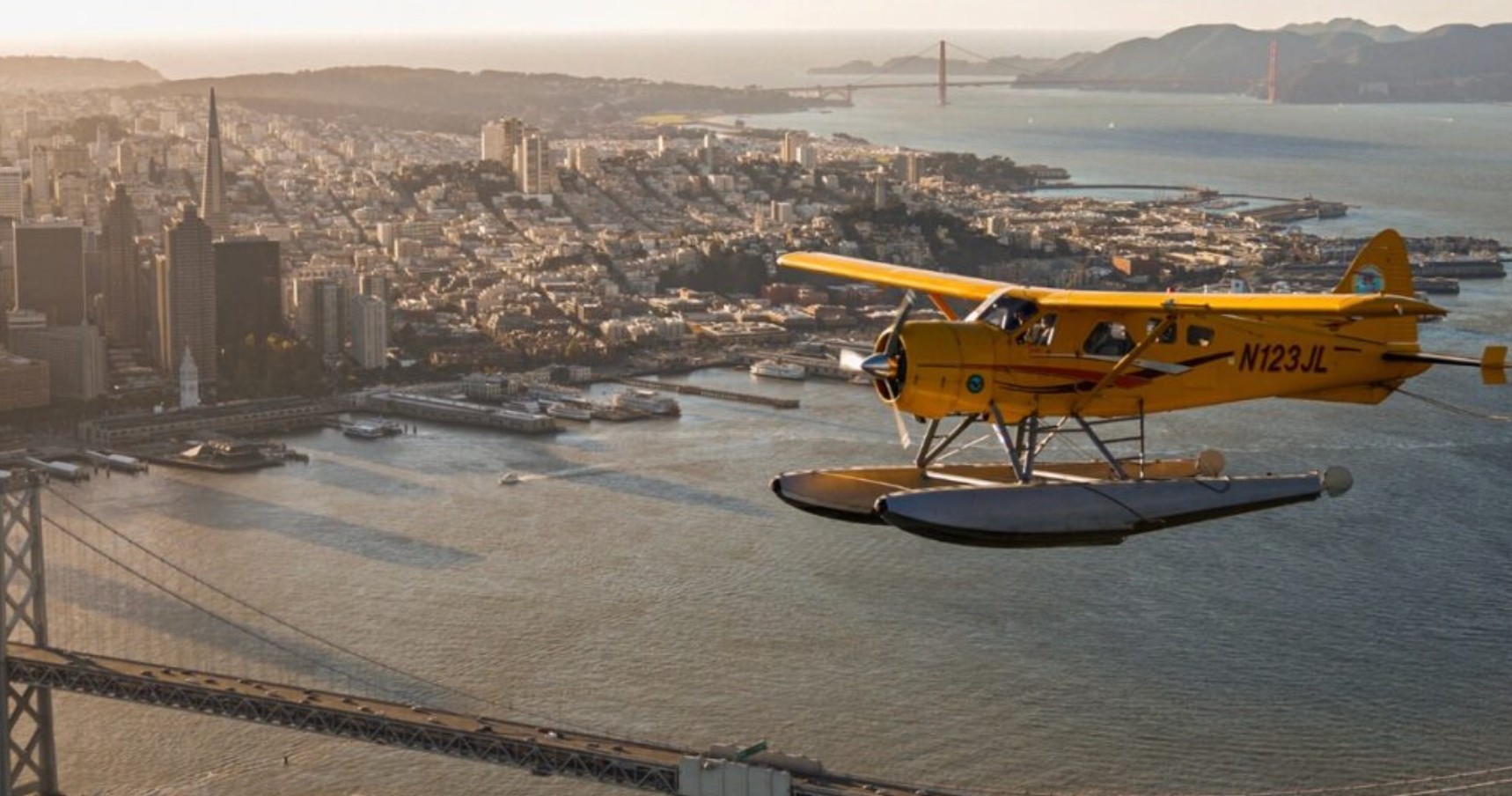
There’s an unusual intimacy to flying around South San Francisco. The city sits at the juncture where dense urban infrastructure thins into wetlands, where the industrial coastline gives way to the soft spine of San Bruno Mountain, and—critically—directly under approach corridors that bring commercial airliners and light aircraft in tight, cinematic passes over the Bay. For travelers seeking airplane experiences, that geography concentrates the thrills: low-altitude sightseeing offers close-up views of the Bay Bridge, Alcatraz, and the Marin headlands; flight training and discovery flights use the nearby general aviation fields for short, high-impact sorties; and airport adjacency makes aircraft-spotting accessible without long drives.
But the appeal is more than convenience. The Bay Area’s weather sculpts flights here in dramatic ways. A marine layer can roll in over the city at dawn, turning approach lights and aircraft silhouettes into a slow-motion light show; when the fog burns off, visibility opens into sweeping panoramas of the city skyline and the Pacific. That variability means every flight feels like a different conversation with the landscape. For photographers and storytellers, the contrast between industrial waterfronts, polished airliners, and wild ridgelines creates compelling compositions. For the curious traveler, quick discovery flights — where a pilot walks you through the controls and takes you on a short lesson — demystify the cockpit and provide a tactile thrill that stays long after touching down.
South San Francisco’s aviation scene also plugs you into a broader net of complementary activities. Hiking San Bruno Mountain or walking the Oyster Point shoreline offers a ground-level counterpart to the aerial perspective, while nearby aviation museums and public viewing areas provide historical and technical context. Practical considerations make it a pragmatic base: proximity to SFO and regional airports shortens transit times to operators; plentiful parking and waterfront parks give family-friendly viewing options; and a dense urban service network means easy access to rental cars, cameras, or last-minute aviation supplies. That said, the region’s airspace regulations, noise abatement procedures, and occasional air traffic restrictions require planning — they’re part of the experience, and mastering them makes for better, safer flights. In short, South San Francisco compresses the elements that make airplane experiences memorable—diverse scenery, concentrated air traffic, and easy logistics—into a compact, accessible coastal corridor.
The proximity to SFO means some of the most dramatic commercial approach views on the West Coast are within easy reach for plane spotters and flightseeing tours.
A mix of commercial, charter, and general aviation activity creates options for brief scenic hops, discovery flights, and formal flight training without long transfers.
The harbor is the gateway, and the Pacific becomes the classroom.
The region’s microclimate (marine layer and afternoon clearing) produces varied flying conditions; bookings should remain flexible to account for weather.
Complementary ground activities—hiking, waterfront walks, and aviation exhibits—pair well with airplane experiences, letting visitors see the landscape from multiple perspectives.
Choose by purpose
Whale watching, snorkeling, sunset sailing, cultural canoeing, harbor sightseeing, or private chartering.
Start near the city
Waikiki and Honolulu Harbor are primary hubs, with some trips launching near Hanauma Bay.
Confirm the vessel
Gangways, shaded seating, and boarding requirements vary according to vessel size and operator.