Eco Tour in Spring Hill, Florida

Read the destination guide ↓
Popular Activities
More activities
0 adventures loaded
Eco Tour in Spring Hill, Florida
Spring Hill Eco Tour Guide

Eco Tour in Spring Hill, Florida

Spring Hill is a surprisingly concentrated pocket of coastal wetlands, clear springs, and quiet river corridors. Eco tours here emphasize intimate wildlife encounters—manatees in winter, wading birds year-round, and dense mangrove nurseries—paired with low-impact, interpretive guiding that highlights local conservation work. These tours are short enough for half-day travel itineraries yet rich in habitat variety.

Weeki Wachee SpringsGulf Coast Salt MarshesHernando County Preserves
By Robert Eric CrewsFounder & Editor, The Adventure Collective

Eco Tour in Spring Hill

Why Spring Hill Is a Standout Eco-Tour Destination

Spring Hill occupies a threshold where Florida's aquifer-fed springs, tidal estuaries, and Gulf-proximate marshes meet in a compact, approachable landscape. That geography makes it an ideal setting for eco tours: you can drift in a shallow skiff through mangrove tunnels one morning, paddle a glassy river corridor against a backdrop of osprey nests the next, and step onto a boardwalk that threads saltmarsh grasses thick with rails and herons. The experiences are tactile—salty air, the soft click of shorebird feet, the slow exhalation of a manatee—as much as they are visual, and local guides frame those moments with natural history, conservation context, and practical etiquette so that every sighting also becomes a small lesson in how these habitats persist and how they’re threatened.

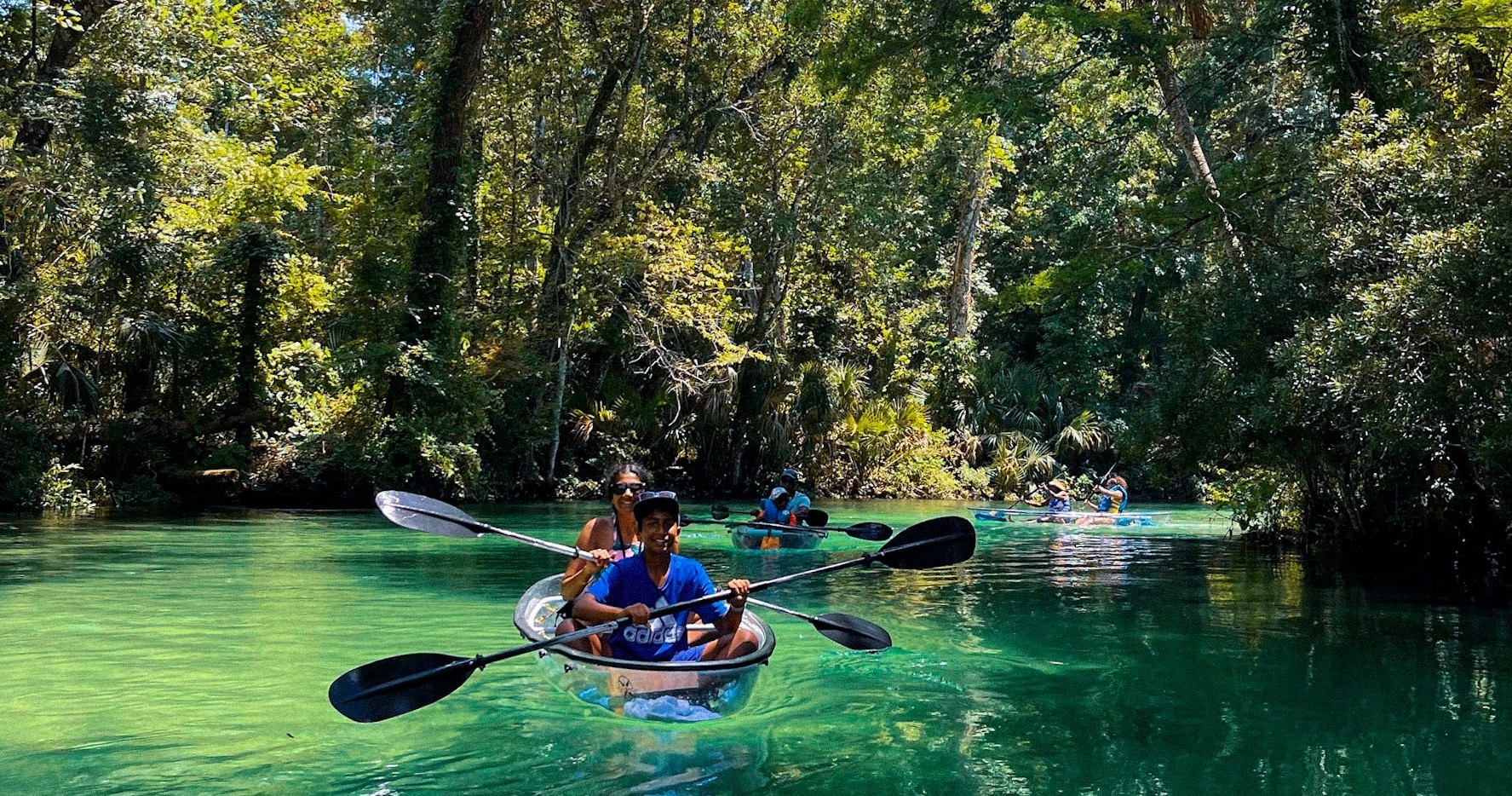
Guided eco tours in Spring Hill lean toward intimate group sizes and interpretive formats: kayak and SUP trips that read the tide and wind for wildlife advantage; boat tours that linger where manatees gather or where river springs flush clear water into tannin-dark channels; and guided walks through preserves where volunteers and land managers talk restoration and invasive plant control. The region's human history—timber, early citrus and ranching, and the complex relationship between development and the aquifer—threads into tour narratives, offering a sense of place that extends beyond checklist wildlife-watching.

Seasonality shapes what you’ll see and how you plan. Winter and early spring bring cooler, drier weather and the chance to see manatees concentrated near warm springs. Migratory birds swell coastal flocks across the cooler months, while summer turns the landscape lush and insect-rich, with afternoon thunderstorms common. Tidal rhythm matters too: many eco tours schedule around tides to access mangrove tunnels and expose mudflats where shorebirds feed. Accessibility is a strength—many departure points are minutes from parking and amenities, and a surprising number of tours offer options for families, novice paddlers, and travelers seeking low-impact ways to engage with wild Florida.

For travelers balancing time and curiosity, Spring Hill’s eco tours are a practical gateway: short travel times, a high density of different habitats, and guides who translate small observations into bigger ecological stories. Whether you’re after photography, beginner-friendly wildlife encounters, or a deeper look at coastal restoration, Spring Hill’s eco-tour scene provides routes that are both gentle and richly informative.

Local operators emphasize low-impact practices: limited group sizes, leave-no-trace guidance, and explanations of how tides, freshwater springs, and land use affect wildlife patterns.

Complementary activities are easy to pair with eco tours—kayaking or SUP lessons, snorkeling shallow springs, or bicycling coastal backroads—so you can craft half-day or full-day combinations without long drives.
Seasonal planning

Best Time to Visit

Seasonal conditions and travel timing in Spring Hill.

Spring Hill Eco Tour
Seasonal planning

Spring Hill throughout the year

Winters are mild and drier—ideal for wildlife viewing—while summers bring heat, humidity, and frequent afternoon thunderstorms. Spring and fall offer comfortable weather but can be busier during holiday weekends.

Peak season

Winter (November–March) for manatees, migrating birds, and more predictable weather.

Popular travel period with peak availability and booking demand.

Best months

November–December–January–February–March–April

Optimal seasonal conditions for outdoor trips.

Weather notes

Winters are mild and drier—ideal for wildlife viewing—while summers bring heat, humidity, and frequent afternoon thunderstorms. Spring and fall offer comfortable weather but can be busier during holiday weekends.

Off-peak opportunities

Summer offers lush vegetation, fewer crowds, and abundant shorebird nesting activity; book tours that provide shade and water or choose early-morning departures to avoid heat.

Match the trip to your comfort

Choose Your Experience Level

Low effort

Beginner

Short, interpretive outings on calm waters or boardwalk walks ideal for all ages and fitness levels.

  • Half-hour guided boardwalk nature walk
  • Introductory tandem kayak eco tour in sheltered river
  • Shallow-water boat trip with naturalist commentary
Active trip

Intermediate

Longer paddles, mixed-tide mangrove explorations, or tours that require basic paddle control and comfort in small craft.

  • Morning single-kayak estuary tour with birding focus
  • Stand-up paddleboard eco tour through mangrove channels
  • Guided spring snorkeling plus habitat talk
Technical or extended

Advanced

Full-day excursions or photography-focused trips requiring endurance, good paddling technique, or specialized gear.

  • All-day coastal estuary traverse with multiple launches
  • Photographer-focused dawn tour targeting migratory flocks
  • Back-to-back spring snorkel and river paddle combination

Prepare for your excursion

What to Bring

Essential

Core kit

  • Reusable water bottle and sun protection (hat, sunscreen—reef-safe recommended)
  • Lightweight layers and a windbreaker for morning boat trips
  • Closed-toe water shoes for paddling or shoreline landings
  • Polarized sunglasses for reading water and spotting wildlife
  • Waterproof phone case or dry bag
Recommended

Useful extras

  • Binoculars for birding
  • Small field guide or species ID app
  • Insect repellent (especially in warmer months)
  • Compact camera with a zoom lens or telephoto attachment
  • Snacks and electrolyte options for half-day tours
Optional

Trip-specific

  • Personal snorkel mask for spring snorkeling (if allowed by tour)
  • Light rain shell for summer showers
  • Notebook for naturalist notes or sketching
Respect tides and wildlife distance guidelines; choose early departures in summer heat and verify launch conditions in windy weather.

Insider Tips & Local Knowledge

Book popular morning tours in advance during winter months. Ask guides about tide windows—low tide reveals mudflats for shorebirds, high tide opens mangrove passages. Use reef-safe sunscreen and pack out all trash; many operators will point you to nearby conservation projects if you want to learn or volunteer. If you hope to photograph wildlife, request a slower, smaller-group option to reduce wake and disturbance.

Planning questions

Frequently Asked Questions

Many operators welcome beginners and provide brief orientation and safety instruction. Be sure to disclose experience level when booking so guides can match you to appropriate trips or provide a tandem option.
Eco Tour in Spring Hill, Florida
Ready for your eco tour adventure?

Browse trips in Spring Hill.

Compare current availability and book with instant confirmation.

Explore Spring Hill eco tour →