Why Stock Island Is a Standout Dolphin Destination
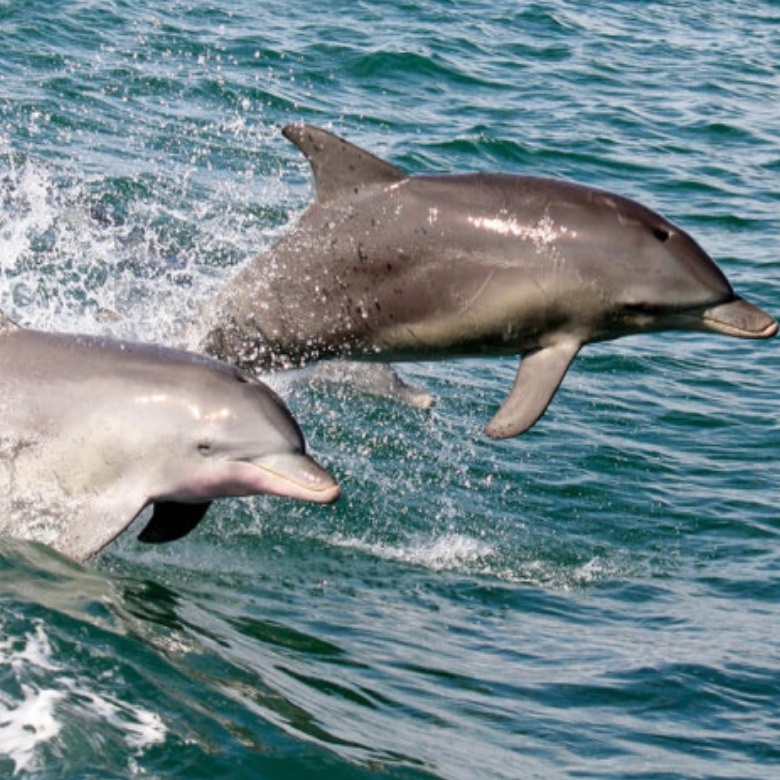
There’s a particular kind of clarity to the water off Stock Island that makes dolphin encounters feel immediate—almost intimate. On any calm morning the surface flattens to a glassy plane punctured by bow wakes and the quick, staccato rises of bottlenose dolphins. Unlike long pelagic runs, Stock Island’s geography funnels wildlife into a mosaic of habitats: mangrove-lined canals, shallow seagrass flats, and the deeper troughs just beyond the reef line. That variety concentrates feeding and travel corridors, so trips that start from the marina can shift from sheltered backcountry to open-water play in a matter of minutes. The result is an accessible, high-reward wildlife experience that suits families, photographers, and keen nature travelers alike.
The human side of Stock Island’s dolphin story is as important as the animals. Small, locally owned outfitters operate the majority of dolphin departures—captains who know a pod’s tendencies, the best times of day to find porpoising juveniles, and how currents move schools of baitfish. That local knowledge pairs with a culture that increasingly emphasizes ethical viewing: keeping respectful distance, minimizing engine noise near pods, and prioritizing observation over interaction. Visitors who choose experienced guides generally see more consistent encounters because those captains understand both animal behavior and how to read wind and tide to place a boat where dolphins are likely to surface.
There’s also an ecological richness to the area that amplifies the experience. Seagrass meadows and mangrove roots support fish and crustaceans that draw predators; the reef escarpment nearby provides a separate corridor for larger marine life and creates an edge ecosystem where dolphins, rays, and feeding birds overlap. For travelers looking to expand a single sighting into a full day, Stock Island is a practical base: pair a morning dolphin watch with an afternoon reef snorkel, a guided kayak through mangroves, or a flats-fishing charter. Each activity deepens understanding of the same interconnected systems that make dolphin sightings frequent here. Practical planning—choosing calm mornings, bringing reef-safe sunscreen, and selecting small-boat operators—turns a hopeful outing into a reliable wildlife encounter while keeping disturbance to the animals low.
Stock Island offers short boat runs to both nearshore dolphin hotspots and sheltered backcountry channels, reducing transit time and increasing time on the water.
Local guides know seasonal feeding patterns and micro-habitat use, improving sighting odds without chasing animals.
Dolphin experiences here are easily combined with snorkeling, kayaking, and flats fishing for a fuller marine day.
Ethical viewing practices are widely promoted by reputable operators; always follow your captain’s guidance and NOAA regulations regarding marine mammals.