Why Sugarloaf Key Is a Standout Dolphin Destination
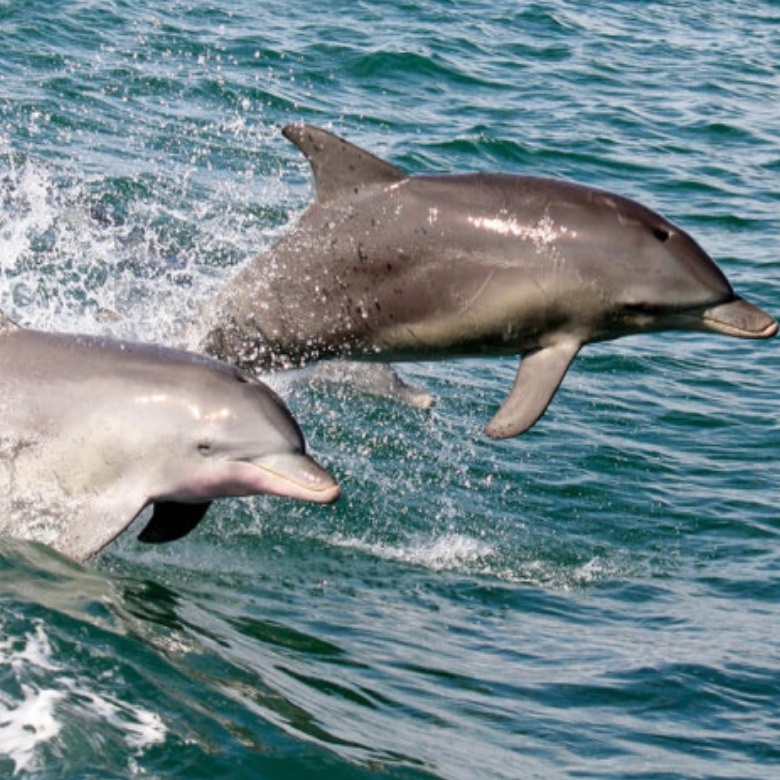
The Florida Keys, and Sugarloaf Key in particular, feel like a living margin where oceanic energy compresses into estuaries, mangrove tunnels, and glassy flats. Dolphins congregate at these edges because food, shelter, and social opportunity are all compressed into short distances. Picture an early morning when low light scatters on the water and pods slip past shallow sandbars—calm, efficient hunters moving through a complex seascape. Watching dolphins here is rarely an anonymous, distant sighting; instead, it’s a study in behavior: coordinated foraging, calf-rearing, play that looks almost designed to be watched. The drama of a coordinated bubble-net-like chase on a seagrass flat, or a month-old calf practicing side-swims beneath a careful adult, is what draws small boats, kayaks, and photographers to Sugarloaf Key.
But this place is also one of the most instructive classrooms for understanding human impact on marine life. The Keys are a mosaic of protected areas, private shorelines, and working waters. Dolphin groups here experience boat traffic, fishermen, coastal development, and shifting prey driven by temperature and water clarity. An encounter in Sugarloaf Key can be equal parts joy and reminder: joy at seeing wild intelligence up close; a reminder that ethical, informed viewing is part of good travel. The best trips foreground the dolphins’ needs—slow, parallel approaches, engines in idle, and plenty of room to move—so the animals lead contact, not tourists. That philosophy, along with the Keys’ unique tidal flows and mixing zones, makes Sugarloaf Key both hospitable for dolphins and rewarding for people who want a thoughtful, memorable wildlife experience.
Dolphin sightings are shaped by water depth, prey patterns, and tides—shallow flats and cut channels concentrate baitfish and, therefore, the dolphins that hunt them. Operators who understand the local currents and sandbars have a better chance of producing close but respectful encounters.
The area supports multiple species and age classes: the common coastal bottlenose dolphin is the most familiar, but younger Atlantic spotted dolphins can be seen nearer the reefs and deeper edges. Seasonal shifts in prey abundance influence where pods concentrate, so flexibility in route and timing often yields the richest experiences.
Complementary activities make a dolphin day into a full marine immersion: snorkeling coral heads, kayaking mangrove creeks, and shore-based birding at low tide all flesh out an intimate understanding of the ecosystem that supports the dolphins.