Kayak in Sugarloaf Key, Florida

Read the destination guide ↓
Popular Activities
More activities
0 adventures loaded
Kayak in Sugarloaf Key, Florida
Sugarloaf Key Kayak Guide

Kayak in Sugarloaf Key, Florida

Sugarloaf Key condenses everything you want from a Keys paddle into a compact, extraordinary loop: sheltered mangrove tunnels, shallow seagrass flats, quick access to the open Gulf and Florida Bay, and wildlife encounters that feel lifted from a nature documentary. These 19 trips range from calm flatwater tours for first-timers to wind-and-tide-aware crossings for seasoned kayakers, and they pair naturally with snorkeling, stand-up paddleboarding, and coastal cycling.

Lower Florida KeysMangrove BackcountryFlorida Bay & Gulf Flats
By Robert Eric CrewsFounder & Editor, The Adventure Collective

Kayak in Sugarloaf Key

Why Sugarloaf Key Is a Standout Kayak Destination

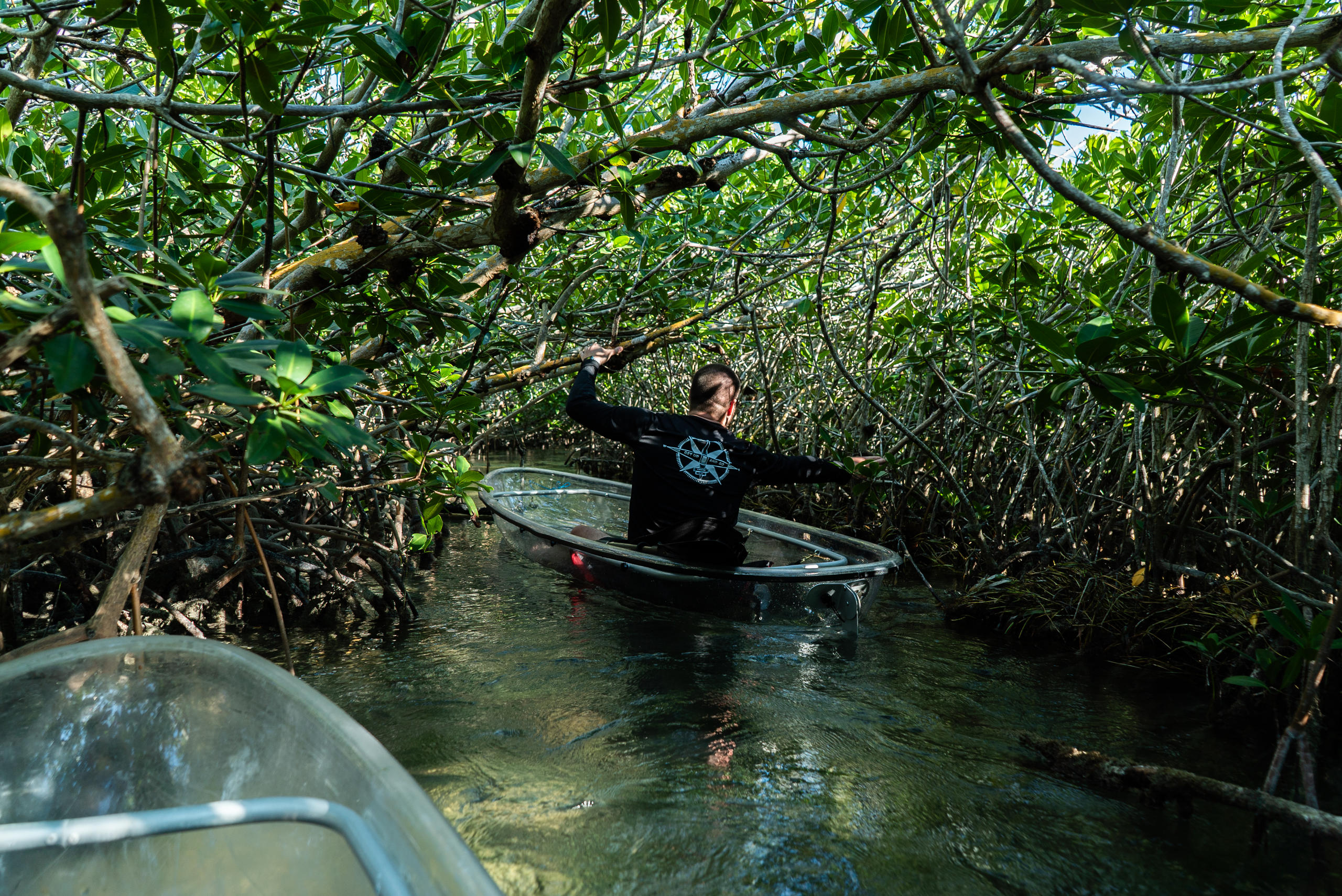
Sugarloaf Key sits at the sweet spot between the sheltered, tannic channels of mangrove estuaries and the broad, shimmering flats of Florida Bay. For paddlers the appeal is immediate: short launches deliver long, varied days on water where the landscape changes stroke by stroke — a shady mangrove tunnel one moment, a vast seagrass plain the next, hemmed by coral heads and the occasional white-sand spit. The geography here makes efficient use of time; you can explore tranquil backcountry systems in the morning and still have energy to chase sunset on a Gulf-facing shore.

Ecology and wildlife are as much a part of the trip as the paddle. Manatees graze the seagrass blades in cooler months; wading birds — herons, egrets, roseate spoonbills — stalk the edges of mud and grass; and pods of playful dolphins often surface on bay crossings. The mangroves themselves are living infrastructure, a maze of roots and low-hanging branches that shelter juvenile fish and provide dramatic, photogenic passageways. Understanding the rhythms of tide, wind and sun changes the texture of a paddle here: an outgoing tide carves channels through flats, concentrating fish and attracting birds, while a still low-tide reveals acres of shimmering, baked seagrass.

Culturally, these waters sit within a long legacy of small-boat travel — from indigenous canoe routes to Cuban fisherfolk and later Keys shrimpers and wreckers. Local guides often fold those human stories into routes, pointing out old boat ramps, lighthouse sightlines, and the small wooden groves where keysmen once repaired gear. Practically, Sugarloaf Key is a low-friction base for multi-activity days: follow a morning paddle with snorkeling on nearby reefs, a cycling loop along U.S. 1, or an evening cast for permit and snook from shallow flats. The region excels at short logistics — short drives, easy launches, and a range of trips that make the most of fickle tropical weather — but it rewards paddlers who come prepared with tide knowledge, wind forecasts, and an appreciation for quiet stewardship of a sensitive coastal ecosystem.

Short drives and easy put-ins make Sugarloaf Key ideal for half-day paddles and family outings; longer routes connect to remote flats and deeper bay crossings for more committed trips.

Habitat diversity within small distances means you can mix wildlife watching, shallow-water snorkeling, and technical tide-aware crossings in a single day.
Seasonal planning

Best Time to Visit

Seasonal conditions and travel timing in Sugarloaf Key.

Sugarloaf Key Kayak
Seasonal planning

Sugarloaf Key throughout the year

Late fall through spring brings milder air temperatures, lower humidity, and more reliable northeasterly breezes that often settle the bay. Summer is hot, humid, and prone to afternoon thunderstorms and tropical systems; windier periods and cold fronts can make certain crossings choppy. Always check tide schedules: low tides can expose extensive mudflats and limit access to some mangrove channels.

Peak season

December–March (holiday and dry-season visitation increases)

Popular travel period with peak availability and booking demand.

Best months

November–December–January–February–March–April

Optimal seasonal conditions for outdoor trips.

Weather notes

Late fall through spring brings milder air temperatures, lower humidity, and more reliable northeasterly breezes that often settle the bay. Summer is hot, humid, and prone to afternoon thunderstorms and tropical systems; windier periods and cold fronts can make certain crossings choppy. Always check tide schedules: low tides can expose extensive mudflats and limit access to some mangrove channels.

Off-peak opportunities

May–October offers solitude and green-season growth, better warm-water snorkeling, and abundant juvenile fish — but be mindful of afternoon storms, higher humidity, and hurricane season advisories.

Match the trip to your comfort

Choose Your Experience Level

Low effort

Beginner

Short, sheltered paddles through mangrove-lined creeks and calm bays with minimal wind exposure. Ideal for families and first-timers.

  • Mangrove tunnel nature loop
  • Calm bay wildlife watch (half-day)
  • Sunset paddle to a nearby sandbar
Active trip

Intermediate

Longer flats and seagrass runs that require tide awareness and basic navigation; occasional short open-water crossings and light chop.

  • Seagrass flats tour with snorkeling stop
  • Crossing to a nearby key for beach exploration
  • Tide-timed birding route through mixed habitats
Technical or extended

Advanced

Extended bay crossings, wind-exposed Gulf approaches, and multi-stage trips that demand route planning, safety gear, and experience reading currents and weather.

  • Point-to-point crossing into Florida Bay
  • Multi-option loop linking remote flats and offshore keys
  • Seasonal open-water crossing timed with favorable tides

Prepare for your excursion

What to Bring

Essential

Core kit

  • Lightweight touring or recreational kayak with a skirt or spray deck option for choppy crossings
  • Personal flotation device (PFD) — US Coast Guard approved
  • Dry bag for layers, sunscreen, phone, and snacks
  • Navigation: waterproof chart, tide table app, and compass or GPS
  • Sun protection: hat, sunglasses with retainer, reef-safe sunscreen
Recommended

Useful extras

  • Whistle and paddle float for self-rescue
  • Reef booties for rocky or coral shore entries
  • Hydration system and electrolyte snacks
  • Light waterproof jacket and thin insulating layer for early mornings
  • Binoculars or camera with a long lens for wildlife
Optional

Trip-specific

  • Portable VHF or satellite messenger for remote crossings
  • Poles or carts for beach launches when moving boats short distances
  • Guidebook or local maps noting permitted access and protected areas
Respect marine habitats and local regulations; tides and wind shape everything here.

Insider Tips & Local Knowledge

Start paddles at slack tide for easier mangrove exploration and to avoid long, exposed low-tide crossings. If planning a crossing to open flats or neighboring keys, check both wind forecasts and tide charts — a small headwind combined with an ebb can make a short route unexpectedly strenuous. Book guided tours in high season to get local insights on wildlife hotspots and safe lines through coral heads. Carry reef-safe sunscreen and pack out all plastics; many popular sandbars and tiny keys are breeding grounds for shorebirds. Finally, leave yourself buffer time: a weather shift or a slow-moving current can add hours to a return trip, so plan conservative distances and always tell someone your launch and expected return.

Planning questions

Frequently Asked Questions

Most day paddling does not require permits, but certain protected areas and state parks have parking fees or launch permits. Commercial guide operations require separate licensing. Always confirm access rules for specific launch sites.
Kayak in Sugarloaf Key, Florida
Ready for your kayak adventure?

Browse trips in Sugarloaf Key.

Compare current availability and book with instant confirmation.

Explore Sugarloaf Key kayak →