Catamaran Adventures in Sugarloaf Shores, Florida
Sugarloaf Shores Catamaran Guide

Catamaran Adventures in Sugarloaf Shores, Florida

Sugarloaf Shores tightens the loop between protected flats and deeper reef country, making it a prime launching place for catamaran outings that range from placid family sails to wind-forward day passages. The area's gentle trade breezes, wide shallow water, and mosaic of mangrove creeks mean catamarans—stable, spacious, and easy to move around—shine here. This guide zeroes in on what makes catamaran sailing around Sugarloaf Shores distinctive: the experience onboard, how seasons shape conditions, and the practical planning you need for a safe, memorable trip.

Protected flatsNearshore reef patchesCalm bay and open-shelf options

Live destination inventory

Top Catamaran Trips in Sugarloaf Shores

19 trips · Book with confidence · Instant confirmation

The prototype intentionally does not invent replacement trip cards or add images that are not already part of the live source page.

The city from the water

Why Catamaran Sailing Works Here

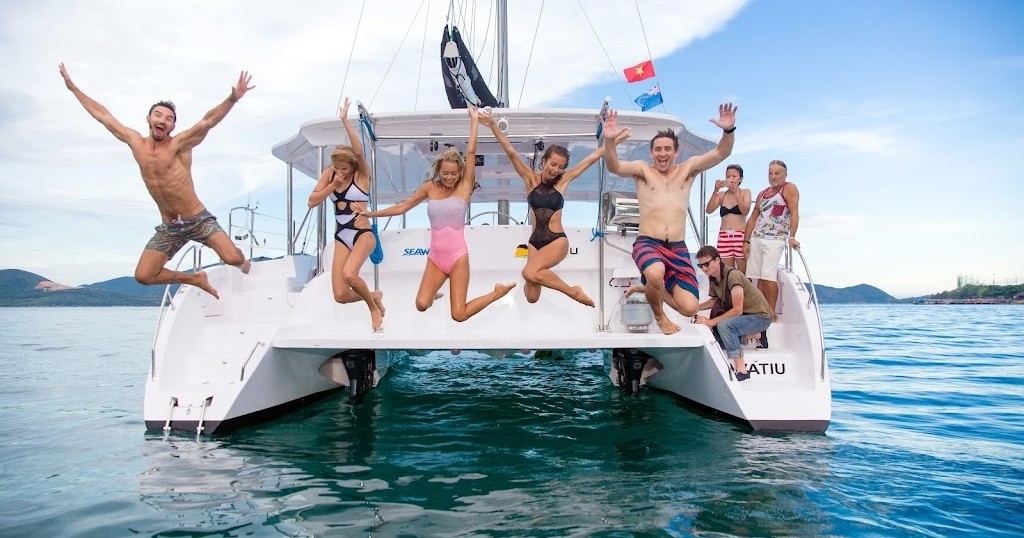
Sugarloaf Shores is a quiet, salt-sweet corner where sailing feels less like a sport and more like a way to slide through a varied seascape. Step aboard a catamaran here and the first thing you notice is space: wide trampolines for sunbathing, twin hulls that shrug off swell, and an open deck that keeps the horizon in constant view. That stability transforms a boat trip into a social, multi-generational outing—kids can move freely, cameras find steady perches, and first-time sailors can stand at the rail without gripping for dear life. But the boats themselves are only part of the appeal. Sugarloaf Shores sits at an interface between sheltered flats—intricate channels threaded with mangroves—and nearshore reef patches that invite snorkeling and fish-and-release sportfishing. In a single day you can drift into glassy shallows to watch rays and juvenile tarpon, then head farther out to a thermally mixed band where pelagic birds and deeper-water species patrol. The variety shortens transit times: gentle hill-like wind patterns onshore often allow for relaxed passages rather than long, marathon sails. Seasonality here is forgiving yet meaningful. Winters and early springs tend to bring steady, moderate trades—clean skies and cooling breezes ideal for day sails and sunset runs. Summers raise humidity and build afternoon thunderstorms; the sea becomes an active learning classroom for managing short squalls, squirted wind shifts, and quick-weather planning. Hurricane season is a reality from June through November; operators and private skippers factor that into itinerary flexibility and cancellation policies. Good catamaran experiences in Sugarloaf Shores are as much about timing and local knowledge as they are about the vessel. Environmental context—mangroves, seagrass beds, and scattered live-reef habitat—also shapes responsible sailing here. Anchoring on coral is a hard no, and many operators use moorings or careful stern-anchoring in sand. Onboard briefings typically cover reef-safe sunscreen, wildlife interaction distance, and how to minimize disturbance in shallow nurseries. These small practices preserve the clear-water playground that draws anglers, snorkelers, and photographers alike. Practically speaking, a Sugarloaf Shores catamaran trip is adaptable: choose a half-day snorkel-and-swim outing, a full-day with island hop stops, a fishing-focused charter, or an overnight for stargazing and dawn runs. The common thread is a relaxed, social rhythm and a landscape that rewards both slow observation and short bursts of active exploration. Whether you seek a serene family cruise, a photo-rich snorkel trip, or a skippered half-day where wind-handling becomes part of the lesson, the catamaran format here is forgiving, comfortable, and deeply connected to the water’s quieter edges.

Catamarans minimize heel and motion, making them ideal for families, photography groups, and mixed-ability parties who want to spend more time enjoying the water than balancing on deck.

Local charters mix activities—snorkeling, shallow-water fishing, birding in mangrove channels, and sunset sails—so you can bundle experiences without long transfers.
Activity focus

Choose by purpose

Whale watching, snorkeling, sunset sailing, cultural canoeing, harbor sightseeing, or private chartering.

Departure hubs

Start near the city

Waikiki and Honolulu Harbor are primary hubs, with some trips launching near Hanauma Bay.

Accessibility

Confirm the vessel

Gangways, shaded seating, and boarding requirements vary according to vessel size and operator.

Seasonal planning

Best Time to Visit

Sugarloaf Shores is warm year-round, but wind, swell, migration, visibility, and demand change the best match between traveler and trip.

Sugarloaf Shores boat tour
Year-round destination

Seasonal highlights change the reason to go

Winter favors humpback encounters; warmer, calmer months favor snorkeling visibility and smoother water.

Humpback season

December through March (holiday and winter-visitor months).

Prime whale watching, winter holidays, higher demand, and earlier sell-outs.

Snorkeling window

December–January–February–March–April–November

Typically gentler seas and clearer water for snorkeling trips.

Weather notes

Trade winds year-round

Winters and early spring bring steady trade winds and mild temperatures—ideal for predictable day sails. Summers are hot and humid with frequent afternoon thunderstorms; hurricane season runs June–November and can impact scheduling. Expect rapidly changing short-term conditions; operators monitor forecasts closely.

Quieter opportunities

Late spring & summer weekdays

Summer and early fall can offer lower prices and fewer crowds; mornings are typically calmer for sailing before afternoon thunderstorm buildup. Be flexible during hurricane season and watch operator cancellation policies.

Match the trip to your comfort

Choose Your Experience Level

Low effort

Beginner

Short half-day sails, calm-water family cruises, and guided snorkel stops—little to no sailing knowledge required.

  • Half-day sunset or afternoon cruise
  • Family-friendly bay cruise with shallow-water snorkeling
  • Guided photo-and-snorkel trip
Active day trip

Intermediate

Full-day charters combining navigation over longer distances, multiple anchor stops, and basic hands-on sailing or reef etiquette practice.

  • Full-day island hop with lunch stop
  • Day sail with snorkeling and light tackle fishing
  • Skippered lessons on sail trim and reef entry
Longer or technical

Advanced

Bareboat or extended overnight charters requiring confident seamanship, route planning, and experience handling catamarans in variable wind and sea states.

  • Overnight passage to neighboring islands
  • Bareboat multi-day itinerary with tidal and weather planning
  • Advanced sailing clinics focusing on trim, reefing, and anchoring strategy

Prepare for sun, spray, and swell

What to Bring

Essential

Core kit

  • Reef-safe sunscreen (SPF 30+ recommended)
  • Sunglasses with strap and wide-brim hat
  • Light windbreaker or long-sleeve UV layer
  • Motion-sickness medication if you're susceptible
  • Reusable water bottle and hydration snacks
  • Light, nonslip deck shoes or sandals
Recommended

Useful extras

  • Quick-dry swimwear and rashguard
  • Small dry bag for phone, wallet, and camera
  • Snorkel gear if you prefer your own fit (many charters provide sets)
  • Waterproof camera or GoPro
  • Light evening layer for sunset sails
Optional

Trip-specific

  • Binoculars for birding and spotting distant boats
  • Underwater mask defogger
  • Compact reef booties for jumping off the swim platform
  • Notebook or sketchbook for quiet observation stops
Confirm the operator’s reef and anchoring policies, check weather updates the morning of departure, and carry reef-safe sunscreen.

Insider Tips & Local Knowledge

Reserve whale-watching and popular sunset cruises well ahead during December–April.
Choose morning snorkeling departures for calmer seas and better underwater visibility.
For motion sensitivity, choose a larger vessel, sit mid-ship, and take preventative medication before boarding.
Do not touch coral or wildlife, avoid standing on reefs, and use reef-safe sunscreen.
Community-based operators may add context about traditional navigation and stewardship.
Arrive early for parking and check-in because Waikiki departure areas can be busy.

Planning questions

Frequently Asked Questions

No general visitor permits are required to join a commercial charter, but private boaters should confirm local mooring regulations and marine protected area rules before anchoring. Operators will handle necessary local permissions for stops and moorings.
Catamaran Adventures in Sugarloaf Shores, Florida
Ready for your catamaran adventure?

Browse 19 verified trips in Sugarloaf Shores.

Compare current availability and book with instant confirmation.

Explore Sugarloaf Shores catamaran