Dolphin Encounters in Sugarloaf Shores, Florida
Sugarloaf Shores Dolphin Guide

Dolphin Encounters in Sugarloaf Shores, Florida

Sugarloaf Shores is a quiet seam of Florida coastline where the water’s edge is often threaded with the graceful arcs of dolphins. Whether you’re skimming the nearshore in a small boat, paddling a kayak through mangrove canals, or joining a charter that runs farther offshore, the local marine environment makes dolphin encounters both accessible and memorable. This guide focuses on dolphin-centered experiences—spotting, ethical viewing, and gentle in-water interactions—while connecting them to complementary activities like snorkeling, paddleboarding, flats fishing, and coastal birding.

Florida KeysNearshore WatersMangrove Edge

Live destination inventory

Top Dolphin Trips in Sugarloaf Shores

29 trips · Book with confidence · Instant confirmation

The prototype intentionally does not invent replacement trip cards or add images that are not already part of the live source page.

The city from the water

Why Sugarloaf Shores Is a Standout Dolphin Destination

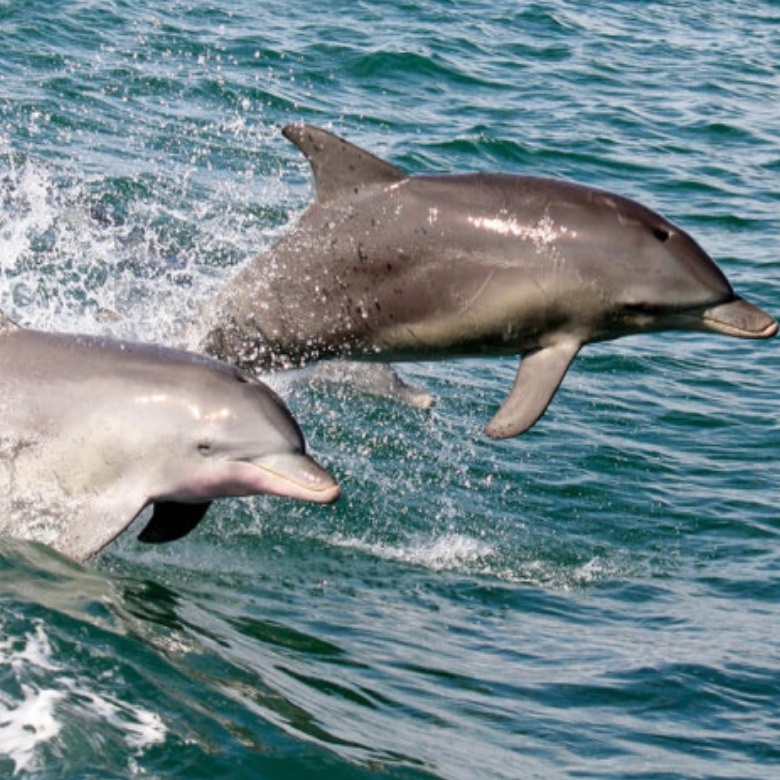
Dolphins feel like the punctuation marks of Florida’s coastal story—quick, bright, and impossible to ignore. In Sugarloaf Shores those punctuation marks arrive in steady, generous clusters. The place is neither a manicured tourist trap nor an austere research site; it’s a living shoreline where residential canals, low mangrove fringes, and nearshore flats feed and shelter an abundance of marine life. For travelers who want to see wild dolphins without the spectacle of crowded high-speed tours, Sugarloaf Shores offers a more intimate, contemplative rhythm. The experience here is tactile: the slap of a dorsal fin, the sudden spray under a clear sky, the small, electric chorus of clicking and breath. Many encounters happen close to shore—dolphins ride the gentle bow waves of slow boats, weave through schools of baitfish above shallow seagrass beds, and sometimes investigate kayaks and SUPs with curious approaches. Offshore trips expand the view, meeting larger pods and seeing dolphins in mixed groups with pelagic birds and, on rare days, rays or turtles. Either approach rewards patience and attentiveness: dolphins move with purpose, following currents, tides, and the pulse of feeding opportunities. Beyond the immediate thrill, Sugarloaf Shores is a useful case study in how human use and wildlife coexist. The area’s residential waterfronts and small charter operations mean encounters often occur in environments shaped by people—so ethical viewing is both possible and necessary. Approaching dolphins at safe distances, minimizing noise, and avoiding direct pursuit keep the animals’ behavior natural and the experience sustainable. Local captains and guides often emphasize stewardship: simple rules about not feeding marine life, using reef-safe sunscreen, and keeping speeds low in shallow areas help protect the ecosystem from erosion, propeller injuries, and behavioral changes in wildlife. For trip planning, the practicalities matter. Weather and sea state affect both safety and the quality of sightings: calm, clear mornings are typically best for scanning the waterline and spotting behavior like bow-riding or synchronized feeding. Kayaks and small craft can access mangrove channels and flats where dolphins hunt, while larger charter boats reach deeper water where different dolphin behaviors appear. Complementary activities—snorkeling seagrass meadows, flats fishing for permit and bonefish, birding along mangrove edges, or visiting nearby protected areas—pair neatly with dolphin outings to round an itinerary, especially when offshore conditions are not ideal. Culturally and ecologically, Sugarloaf Shores sits within a broader network of coastal communities that value marine life for both livelihood and leisure. Many guides and small operators are local, with generational knowledge of tides, seasons, and animal patterns; they are also the best source of up-to-date conditions and conservation notices. When you plan a dolphin-centered visit, prioritize operators who demonstrate safety, local knowledge, and an ethic of minimal disturbance. That approach ensures the encounters remain wild and meaningful—and that the shoreline systems that sustain dolphins remain healthy for the next visitor to glimpse a dorsal fin on the horizon.

Accessible encounters: Many dolphin sightings occur within a short boat or paddle from shore, making the activity approachable for families and mixed-ability groups when conditions are calm.

Responsible viewing matters: Because dolphins are wild and social, best-practice viewing—keeping distance, limiting time near groups, and avoiding motor noise in tight channels—helps maintain natural behavior and reduces stress.
Activity focus

Choose by purpose

Whale watching, snorkeling, sunset sailing, cultural canoeing, harbor sightseeing, or private chartering.

Departure hubs

Start near the city

Waikiki and Honolulu Harbor are primary hubs, with some trips launching near Hanauma Bay.

Accessibility

Confirm the vessel

Gangways, shaded seating, and boarding requirements vary according to vessel size and operator.

Seasonal planning

Best Time to Visit

Sugarloaf Shores is warm year-round, but wind, swell, migration, visibility, and demand change the best match between traveler and trip.

Sugarloaf Shores boat tour
Year-round destination

Seasonal highlights change the reason to go

Winter favors humpback encounters; warmer, calmer months favor snorkeling visibility and smoother water.

Humpback season

December–April

Prime whale watching, winter holidays, higher demand, and earlier sell-outs.

Snorkeling window

Year-round

Typically gentler seas and clearer water for snorkeling trips.

Weather notes

Trade winds year-round

Dolphins are present year-round in Florida waters; calm, clear mornings offer the best visibility for sightings and photography. Afternoon seabreezes and seasonal storms can make nearshore waters choppier, affecting small craft and kayak trips. Always check local marine forecasts and consult your operator about current sea conditions.

Quieter opportunities

Late spring & summer weekdays

Shoulder seasons and weekdays often provide quieter waterways and more personalized tours. Cooler months may bring calmer seas and crisp mornings that enhance sighting conditions.

Match the trip to your comfort

Choose Your Experience Level

Low effort

Beginner

Short, nearshore boat tours and guided kayak outings in calm waters—low fitness requirements and minimal technical skill needed.

  • Short morning dolphin-watching cruise
  • Guided kayak tour through mangrove canals
  • Shoreline dolphin spotting from designated viewing points
Active day trip

Intermediate

Half-day outings that may involve light paddling, longer boat transit, or combined snorkeling and dolphin-watching itineraries requiring moderate comfort on the water.

  • Half-day mixed dolphin and snorkeling trip
  • Stand-up paddleboard dolphin tour on shallow flats
  • Nearshore boat trip with wildlife photography focus
Longer or technical

Advanced

Offshore charters and multi-activity days—longer sea time, variable conditions, and potential for fatigue; best for experienced boaters and those comfortable with open-water conditions.

  • Offshore dolphin and pelagic wildlife expedition
  • Full-day charter combining fishing and dolphin observation
  • Photography-focused trip seeking specific dolphin behaviors

Prepare for sun, spray, and swell

What to Bring

Essential

Core kit

  • Light, layered clothing and sun protection (hat, long-sleeve sun shirt)
  • Reef-safe sunscreen
  • Water bottle and motion-sickness medication if you’re prone to seasickness
  • Binoculars for scanning the horizon
  • Waterproof phone case or small dry bag
Recommended

Useful extras

  • Polarized sunglasses for glare reduction
  • Light camera with a zoom lens (or a waterproof action camera)
  • Quick-dry towel and swimsuit if snorkeling is part of the trip
  • Closed-toe water shoes for shallow landings or mangrove flats
Optional

Trip-specific

  • Compact field guide for local marine life
  • Reusable binocular harness or neck strap
  • Small notebook for recording sightings and behaviors
Confirm trip conditions with operators before departure, follow ethical viewing guidelines, and bring layered sun protection.

Insider Tips & Local Knowledge

Reserve whale-watching and popular sunset cruises well ahead during December–April.
Choose morning snorkeling departures for calmer seas and better underwater visibility.
For motion sensitivity, choose a larger vessel, sit mid-ship, and take preventative medication before boarding.
Do not touch coral or wildlife, avoid standing on reefs, and use reef-safe sunscreen.
Community-based operators may add context about traditional navigation and stewardship.
Arrive early for parking and check-in because Waikiki departure areas can be busy.

Planning questions

Frequently Asked Questions

Public dolphin watching from boats or shore does not usually require permits for visitors. However, operators may hold commercial permits, and some protected areas have specific regulations—always follow guide instructions and posted rules.
Dolphin Encounters in Sugarloaf Shores, Florida
Ready for your dolphin adventure?

Browse 29 verified trips in Sugarloaf Shores.

Compare current availability and book with instant confirmation.

Explore Sugarloaf Shores dolphin