Why Sugarloaf Shores Is a Standout Eco-Tour Destination
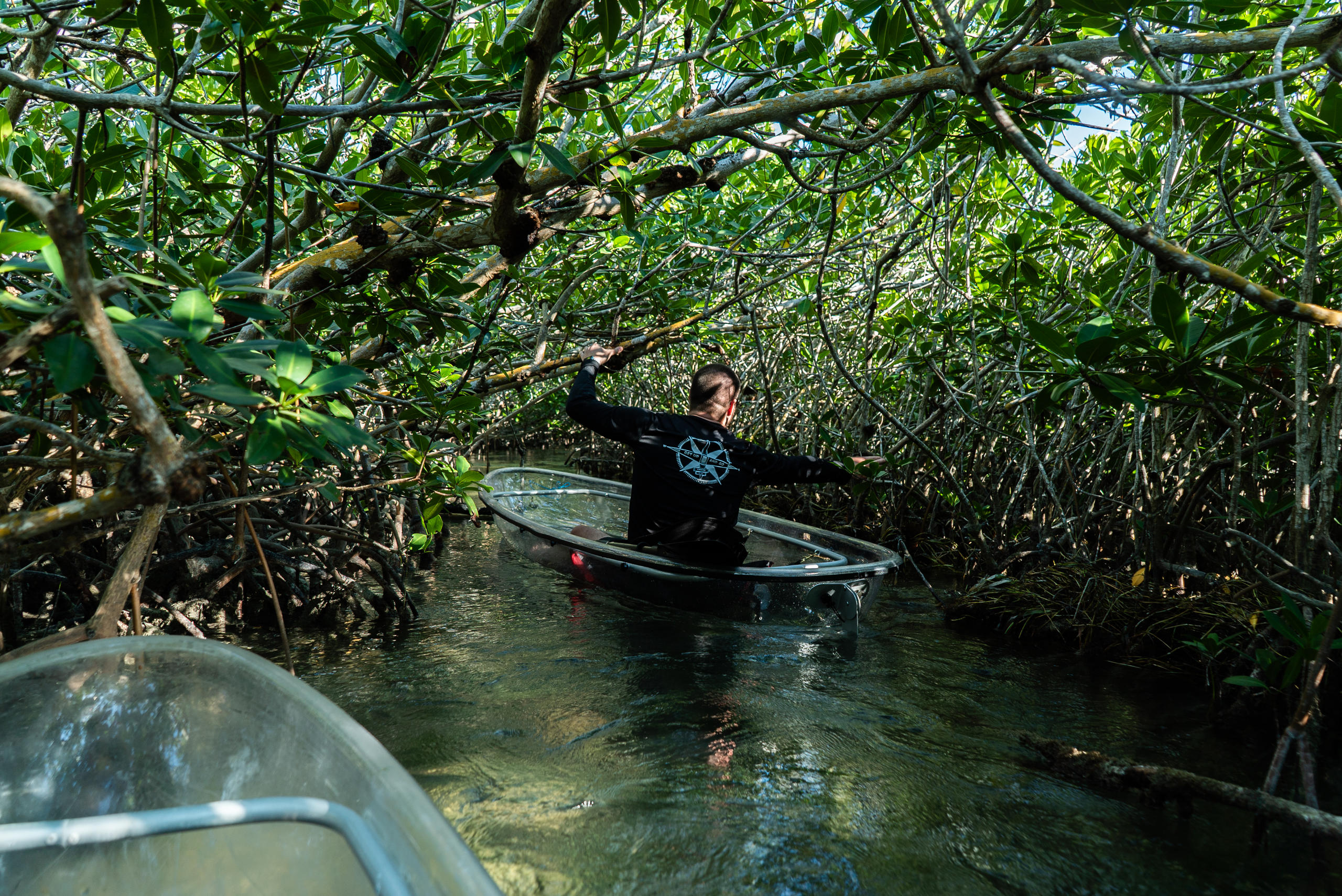
Sugarloaf Shores reads like a cross-section of coastal Florida ecosystems compressed into a day’s paddle. Here, narrow channels wind through dense mangrove stands, their roots knotted into living breakwaters that slow tides and cradle juvenile fish. Past the mangrove fingers, shallow seagrass flats spread like a green carpet—feeding grounds for turtles and stingrays, and the base of a food web that supports offshore reef life. At a distance, low coral formations and patch reefs punctuate the shallow blue, attracting snappers, parrotfish, and the occasional dolphin that threads the channels with an easy grace.
What makes Sugarloaf Shores ideal for eco tours is scale and accessibility. The waterways are sheltered and shallow enough for guided kayaks and small skiffs, which keeps groups small and disturbances minimal. Guides here are often naturalists—people who grew up fishing, birding, or studying these waters—and their tours blend storytelling with practical stewardship. Instead of a checklist of species, they teach how mangroves trap sediment, how seagrass beds filter water, and why a single turtle sighting matters for conservation. Those small, educational moments—the call of a migrating shorebird, the way a juvenile tarpon flashes under the boat—are the durable impressions eco travelers remember.
Eco tours in Sugarloaf Shores are also a good primer on the region’s environmental challenges. Sea-level rise, warming waters, and development pressures show up in plain sight: thinning seagrass, episodic algal blooms after heavy rains, and the seasonal ebb and flow of fisheries. Local outfitters use tours to model low-impact techniques—strict no-anchor snorkeling areas, shore-based toileting policies, and visitor limits in sensitive zones. Many operators partner with research groups and community programs, offering participants the chance to help with seagrass monitoring, citizen-science bird counts, or cleanups that directly improve conditions.
For travelers, the payoff is experiential and actionable. An eco tour here is less about adrenaline and more about proximity: being close enough to see gill movement on a juvenile fish, to hear the rasp of a roseate spoonbill, to learn how local fishers read tide charts and weather. It’s an invitation to return with better questions and to make travel choices that support conservation. Whether you’re a casual nature lover, a family with curious kids, or a seasoned naturalist, Sugarloaf Shores delivers quiet, instructive encounters that connect a single day on the water to wider conservation stories unfolding across Florida’s coast.
Tours emphasize small-group, low-impact access to mangroves, seagrass flats, and shorelines—ideal for wildlife observation without heavy disturbance.
Operators often combine sightseeing with active conservation work: seagrass monitoring, reef restoration updates, citizen science, and educational outreach.