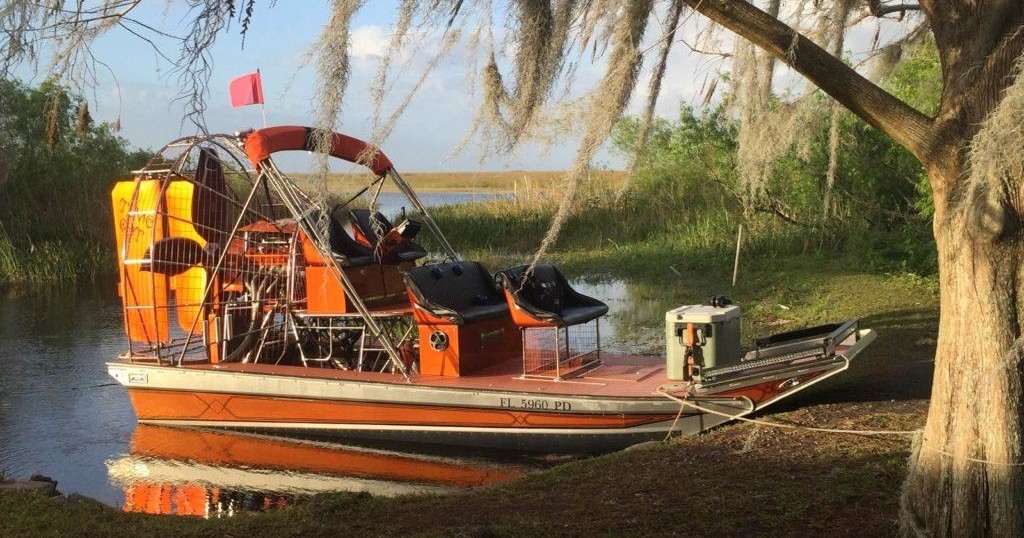
Why Sunrise Makes Sense as a Base for Boat Tours
Sunrise is often overlooked on lists of Florida waterfront towns because it sits a few miles inland from the coast—but that inland position is exactly what makes it an effective gateway for boat tours. The city sits on the edge of a complex water system: urban canals and lakes feed into larger waterways that lead quickly to the Intracoastal and the western edges of the Everglades. From Sunrise you can reach quiet mangrove fingers, broad coastal estuaries, and the sawgrass marshes that define South Florida wetlands without the boat traffic and lineups common at bigger marinas. That proximity means you can be offshore, birdwatching among rookery islands or skirting mangrove tunnels, within 30–60 minutes of leaving a Sunrise launch point.
Boat tours launched near Sunrise tend to emphasize ecology and access. Eco-cruises and small-group wildlife tours focus on the Everglades’ edge habitat—herons and egrets nesting in mangrove stands, anoles and turtles sunning on exposed logs, and, with luck, glimpses of manatee in slower backwater channels. Late-afternoon options trade wildlife intensity for atmosphere: wide, soft light over intercoastal channels and reef-protected inlets that make sunset cruises a favorite for couples and photographers. For anglers, Sunrise is a convenient staging area for full- or half-day charters that run to reef flats, channels, and nearshore wrecks; captains often combine local knowledge of tides with an efficient transit through less crowded canal systems.
Beyond the immediate watercraft experience, boat tours from Sunrise mix well with a broader day of outdoor activity. Pair an early-morning eco-cruise with a paddling session in a quieter canal, or combine a half-day fishing charter with a late-afternoon visit to a coastal town for waterfront dining. On multi-day trips, Sunrise’s location reduces transit time to the Everglades National Park access points, so your day on the water can focus on habitat and wildlife instead of long highway travel. The region also carries conservation stories—wetland restoration, invasive species management, and ongoing efforts to balance boating access with fragile nesting habitats—so many guides include natural history commentary, helping riders understand both the beauty of the landscape and the pressures it faces.
Practical considerations define the experience more than spectacular altitude or dramatic fjords. Expect low, marshy horizons, sun-driven weather patterns, and water that changes character with the tides, seasons, and rainfall. That means planning around wind and thunderstorm windows, dressing for sun and spray, and choosing the boat type that suits your appetite—flat-bottomed skiffs for creeks and sawgrass shorelines, deeper-hulled boats for open water, or quieter electric launches for a low-impact, wildlife-friendly approach. For many visitors, Sunrise’s quiet access to classic South Florida water habitats creates an intimate and immediate way to explore the region—one that feels local, relaxed, and rich with possibility.
Sunrise is a logistical advantage: less marina congestion than Fort Lauderdale with faster access to marsh edges and the Intracoastal.
Tours emphasize ecology and access—wildlife viewing, mangrove tunnels, and nearshore fishing—so choose your operator based on whether you want narrative natural history or a sport-focused outing.
Choose by purpose
Whale watching, snorkeling, sunset sailing, cultural canoeing, harbor sightseeing, or private chartering.
Start near the city
Waikiki and Honolulu Harbor are primary hubs, with some trips launching near Hanauma Bay.
Confirm the vessel
Gangways, shaded seating, and boarding requirements vary according to vessel size and operator.