Why Tahoe Vista Is a Standout Place for Walking Tours
Tahoe Vista's walking tours feel small in scale but large in sensory detail. A short loop can move you from pebbled beach—where wind and wave polish the stones—to a shaded residential street lined with mid-century cabins and new timber homes, then up a gentle rise to a viewpoint that frames the lake and distant granite beyond. The human history here is layered: Washo people fished these shores for generations, early 20th‑century summer camps dotted the sand, and today a quiet mix of locals and visitors animate the trails. Walking is the best way to absorb that mix—soak in the colors of Ponderosa and Jeffrey pine, note the pattern of rock outcrops, listen for call-and-response of Clark’s nutcrackers and waterfowl.
Practicality is another virtue. Most tours are short (under 3–5 miles) and require little technical gear, which makes them accessible for families, mixed-ability groups, and anyone looking to add a low-impact activity between bigger lake adventures. Yet the simplicity can be deceptive: changeable weather and shoreline microclimates mean you need to plan like a mountain traveler. Summer afternoons can bring quickening winds and clouds off the Sierra crest, while late fall and winter turn paths to snow-packed lanes that reward microspikes or snowshoes. Walking here pairs naturally with other outdoor experiences—paddleboarding launches at Sand Harbor, easy bike routes that mirror the shoreline, or a forested hike up to Vista Point—so you can stitch together a full day without overcommitting.
Culturally, Tahoe Vista's walking tours privilege observation over conquest. They are interpretive by nature: stop to read a plaque about the old logging road, or wander a neighborhood to see how lakeside architecture has adapted to snow loads and steep lots. Environmental stewardship is visible too—boardwalks protect dunes, and outreach about lake clarity and invasive species shows up at trailheads. For travelers who want a blend of slow travel, active recovery, and local context, Tahoe Vista's walking tours are elegantly suited: short enough to fit into any itinerary, rich enough to change how you feel about the lake's scale and history.
Walking tours are versatile. Early morning shoreline circuits are excellent for birding and glass-calm reflections; mid-morning neighborhood walks reveal artisan cottages and public art; late-afternoon promenade routes pair well with a swim or picnic. Each offers different light and solitude levels—weekdays are quiet, weekends draw families and dog walkers.
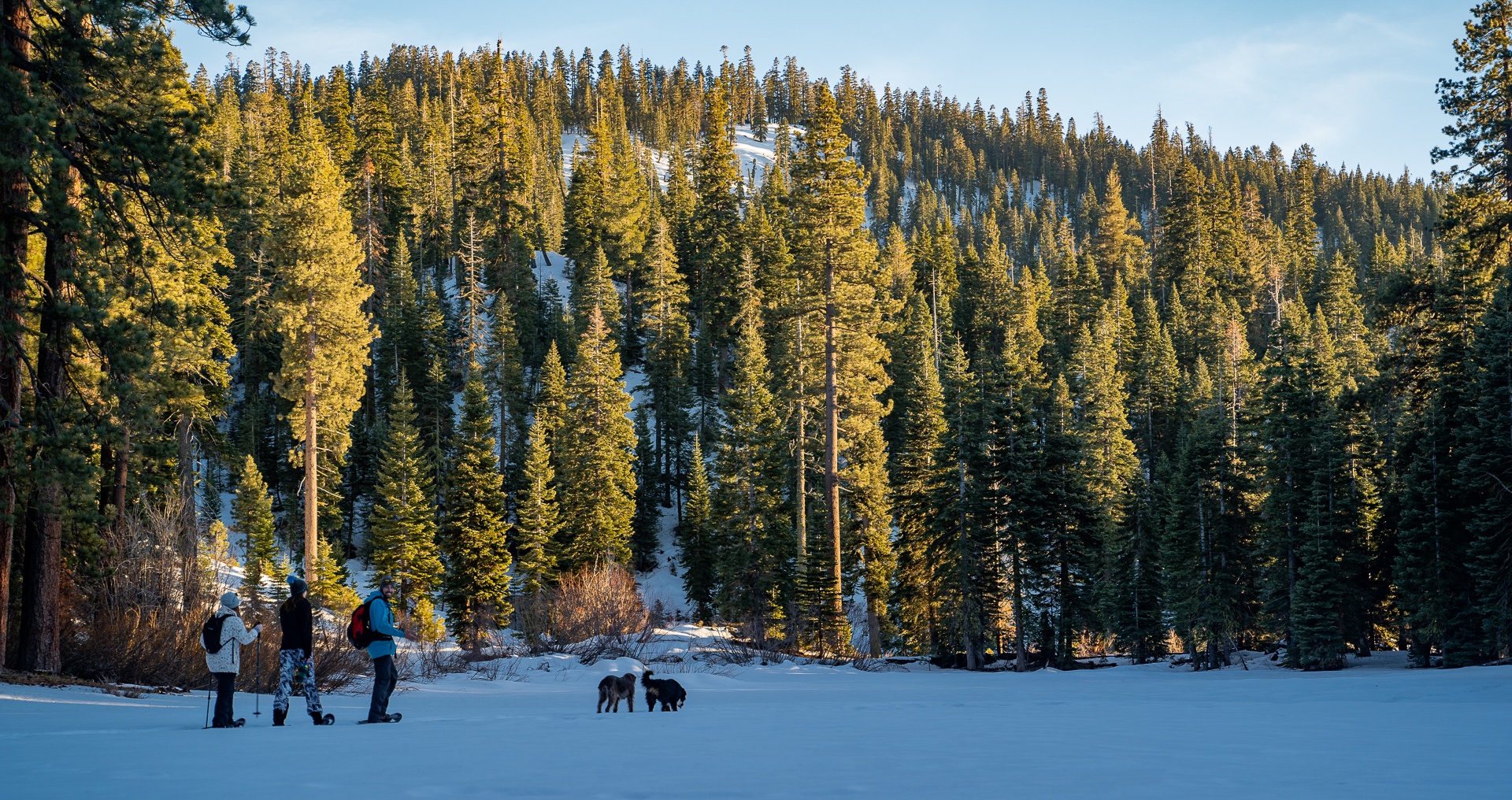
Seasonal shifts reshape the experience. Summer trades cool pines for warm beaches and active watercraft; shoulder seasons bring migrating birds and clearer skies, while winter transforms the same routes into snow-quiet lanes that attract fat bikes and snowshoers. The environmental message is consistent year-round: stay on designated paths, pack out trash, and respect sensitive shoreline habitat.