Why Tahoma Is a Special Place to Hike
Tahoma compresses the Sierra into compact, immediately rewarding hikes. In a single morning you can move from a lakeside stroll—granite slabs warmed by sun and the bright, glassy teal of Lake Tahoe—to a fir-shadowed ascent that opens onto ridgelines where the lake drops away in impossible blue. The landscape feels both intimate and vast: trails thread through incense cedar and lodgepole pine, skirt meadows flecked with late-summer wildflowers, and climb to granite outcrops that frame panoramic views. The town’s scale encourages short, repeated outings rather than marathon expeditions, which makes Tahoma ideal for those who want several distinct hiking experiences in one trip—an early shoreline amble, a midday summit loop, and an evening ridge walk to watch the alpenglow spill over the basin.
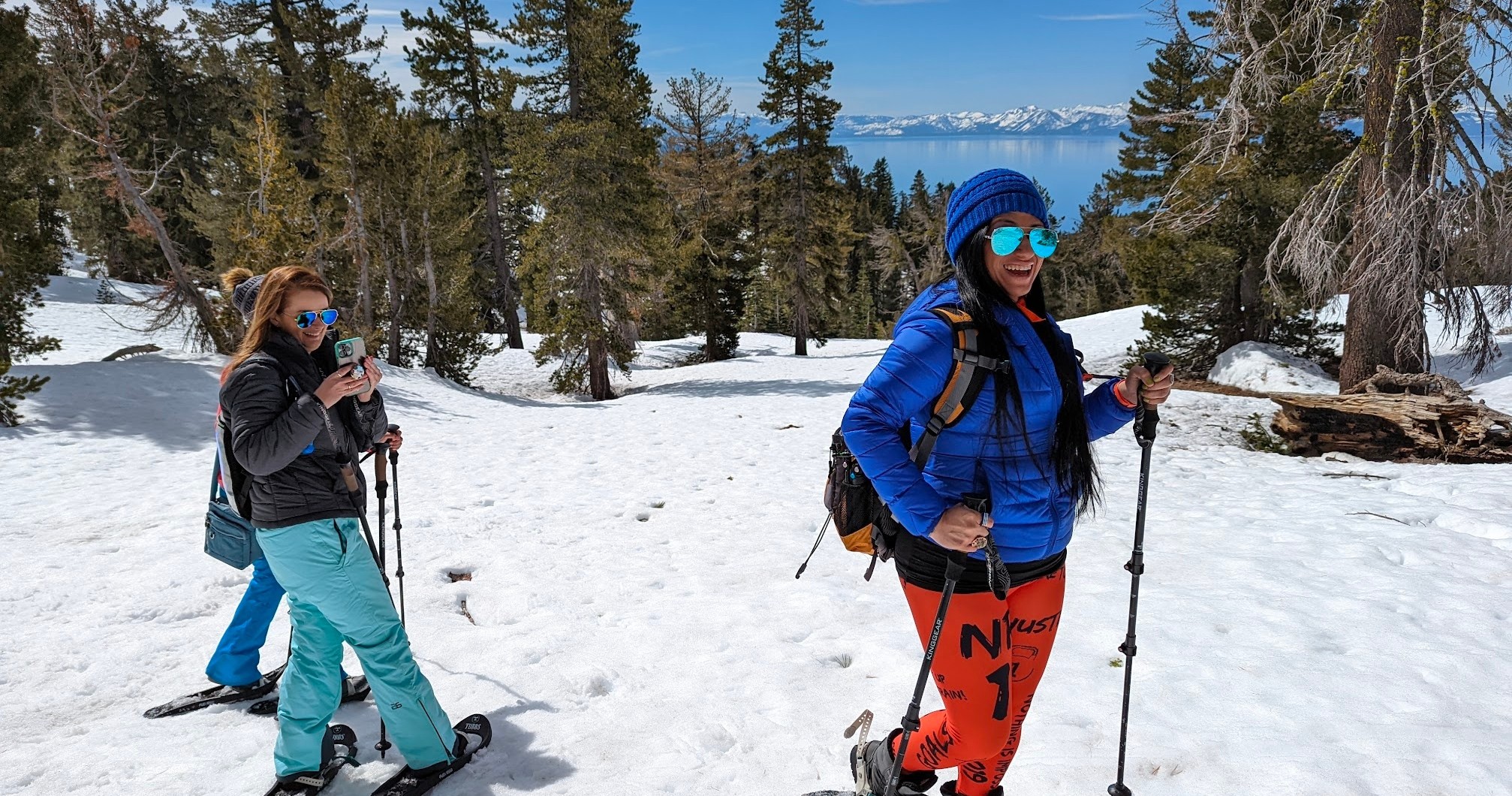
Historically the West Shore was a route of travel long before it became a recreational corridor: indigenous peoples navigated these lakeside forests and used the creek corridors for seasonal camps. Later, the West Shore developed into a patchwork of cabins, trailheads, and small campgrounds—pieces of an accessible backcountry. That human scale still matters; the trails are often shorter and more accessible than higher-elevation Sierra backcountry, but they capture the same geological drama: glacially polished granite, steep drainages, and the sudden opening of the lake at the end of a fern-lined descent. Seasonal shifts here are dramatic and useful to plan around. Late spring brings snow-free lower-elevation trails and high water in streams and waterfalls; summer layers are warm by the lake and cooler under canopy; fall compresses the daylength and drops temperatures quickly after sunset; winter turns many approaches into snowshoe routes and reduces available parking at trailheads.
For practical travelers, Tahoma offers a rare combination of accessible trail geometry and high-quality scenery. Hikes are appealing to staggered groups—families, day-trippers, and experienced mountaineers who want focused ridge work without a long approach. The region also pairs exceptionally well with complementary activities: paddleboarding or kayaking from a lakeside launch after a shoreline hike, mountain biking on nearby multi-use roads, or car-camping to string together sunrise and sunset hikes. Environmental stewardship is part of the experience; summer use concentrates on a few established trails and beaches, so sticking to durable surfaces and packing out waste keeps the corridor healthy for repeat visitors and for the wildlife that depends on it.
Tahoma’s trails are a study in variety—beach-to-ridge micro-ecosystems where a half-day effort can feel like multiple climates. Trails near the lake reward low-effort observation: rock pools, water birds, and the sudden uplift of a granite knuckle. Higher routes demand steadier breathing and a readiness for exposed, wind-swept sections where traction and sun protection matter.
Because trails are compact, logistics shape the hike more than absolute distance. Parking, shuttle options, and seasonal closures often determine which loop you can complete in a day. That means planning around sunrise starts for popular summer days or being ready with traction in shoulder seasons if snow lingers on north-facing slopes.