Why Tahoma Is a Standout Destination for Walking Tours
Tahoma’s appeal as a walking-tour destination lies in scale and variety. At roughly 6,200 feet above sea level, the village sits where the Sierra Nevada leans into Lake Tahoe, so every short route feels anchored by two elemental forces: the lake’s vast stillness and the granite-and-forest backbone of the range. On a single morning you can drift from a pared-back shoreline boardwalk—where water lapping on rounded pebbles sets the tempo—to an understory of aromatic pines and manzanita where the light splits apart through needles and leaves. The result is a walking menu that suits anyone who loves to travel slowly: families on stroller-friendly promenade loops, photographers chasing morning reflections, interpretive walks that unpack local ecology and history, and longer forest rambles that skirt creeks and climb gentle contours for postcard views.
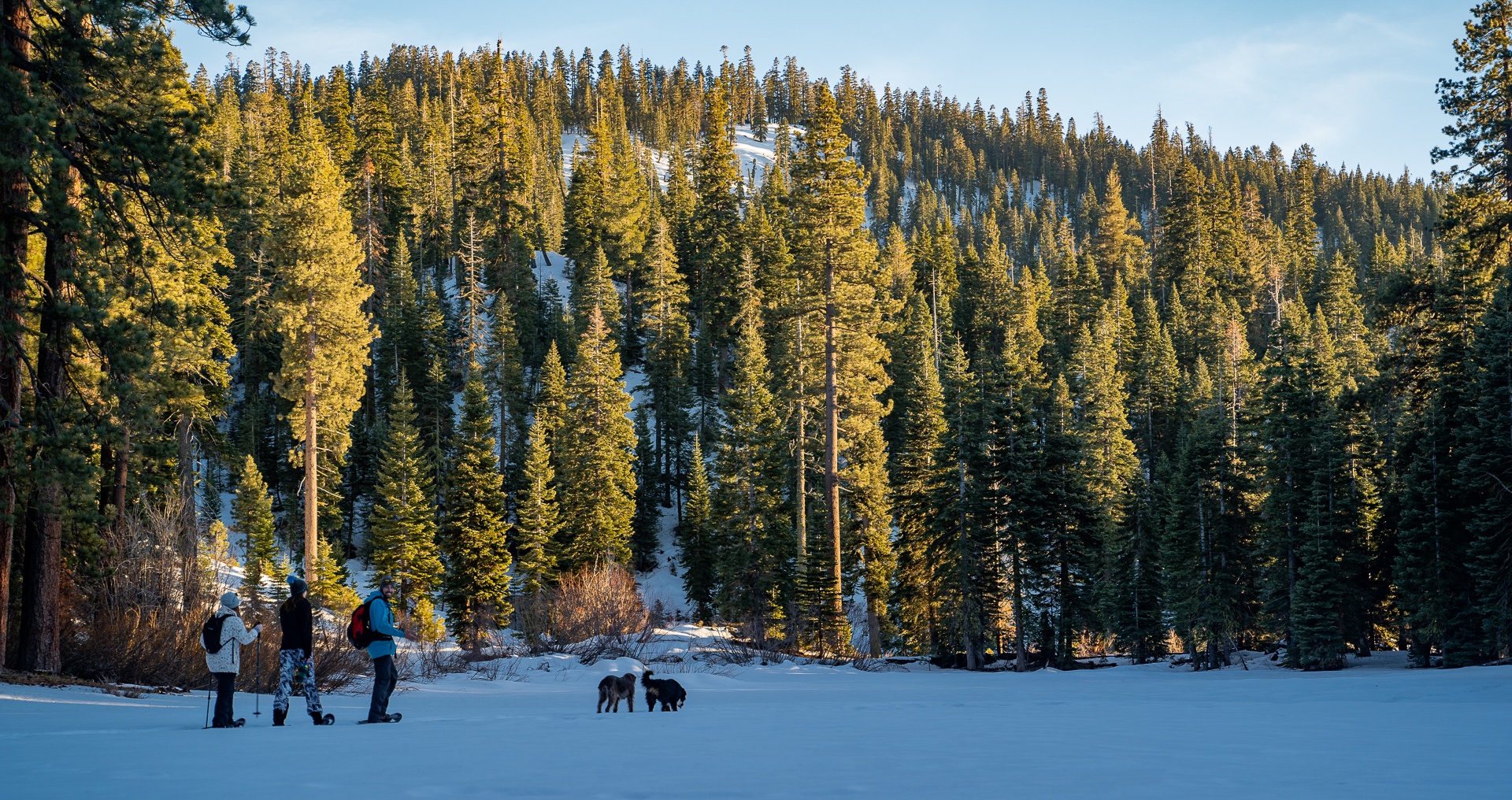
Walking in Tahoma is not about strenuous elevation gains; it’s about a series of intimate encounters. The terrain is forgiving but varied—packed dirt paths that harden in dry months, short sections of exposed granite that require mindful footing, and legacy boardwalks that make the lakeshore accessible. This diversity allows guides and self-guided maps to layer experiences: a cultural tour can weave stories of the Washoe people, early settlers, and the timber-era cabins while a nature-focused route pauses at wildflower meadows and animal sign. Seasonality is part of the character: late spring brings a flush of wildflowers and higher water, summer offers long, warm days ideal for combined walking-and-paddle days, and early fall compresses color and light into luminous afternoons. Winter converts many of these same corridors into snowshoe or fat-bike routes; however, for traditional walking tours the accessible window centers on the warmer months.
Beyond terrain and seasons, Tahoma’s walking tours benefit from proximity—trails, interpretive stops, and services cluster tightly, minimizing transit and maximizing time on foot. For travelers who value slow exploration, that density means you can stitch together a half-day of shoreline, a village history walk, and an afternoon boat ride without feeling like you’re on a rushed itinerary. Practicality sits beside poetry here: tours often fold in opportunities for coffee at a lakeside café, a quick swim at a pebble beach, or a stop at a small gallery, turning a simple walk into a full-sensory day in the Sierra. Whether you arrive looking for a gentle introduction to the Tahoe rim or a series of shorter, memorable walks, Tahoma gives you routes that are both accessible and richly textured.
Walks are short and concentrated—many tours last 1–3 hours—so they make excellent half-day plans that leave room for swimming, paddling, or a scenic drive.
Local guides emphasize ecology and cultural history, making many walks as educational as they are scenic.
Trail surfaces vary from paved village loops to compact dirt and occasional granite steps; most routes are suitable for moderate mobility, with clearly noted accessible options.