Why Tarpon Springs Is a Standout Eco Tour Destination
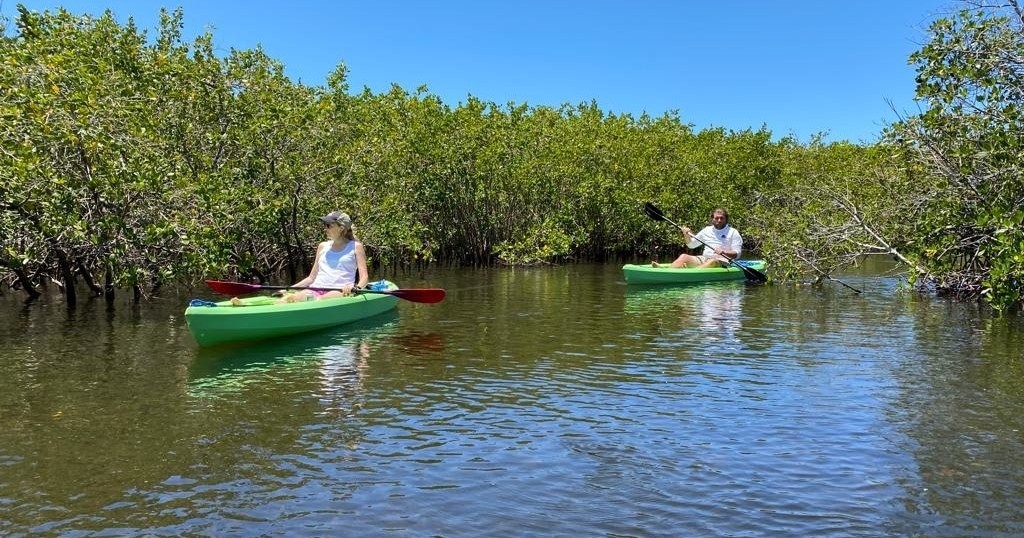
Tarpon Springs occupies a narrow, luminous edge where freshwater meets the Gulf of Mexico—and eco tours here are designed to make that line legible. On any given morning, a low-slung skiff will nose across mirror-calm flats, the guide leaning forward to point out a patch of seagrass waving like underwater prairie. That seagrass is a nursery, a sediment trap, and a barometer: its health determines whether juvenile snook, pinfish, and rays thrive. Move toward the mouth of the Anclote River and mangrove islands begin to stitch the landscape together—black, red, and white mangroves anchor the tidal web, protect shorelines, and host an astonishing number of invertebrates and birds.
Eco tours distill that complexity into accessible, sensory experiences. A kayak guide will teach you how to read tide lines and spot subtle current seams where fish ambush their prey; a naturalist on a boat will explain the role of oyster reefs in filtering water while you peer over a rail at clustered shells and a hawk overhead. Around Anclote Key, a protected barrier island a short ride from the Sponge Docks, snorkeling reveals shoals of small fish, sponges—the organisms that shaped Tarpon Springs’ economy—and beds of turtlegrass. Each stop on these tours is also a micro-lesson in stewardship: guides emphasize reef-safe sunscreen, low-impact anchoring, and the simple ethic of 'take only photos, leave only footprints.'
Those cultural connections are rare and compelling. Tarpon Springs’ sponge-diving legacy—immigrants from Greece arrived more than a century ago and built a waterfront culture around sponge boats and tile-roofed shops—means eco tours here often braid human history with natural history. A captain might point to a weathered boatyard and explain how environmental changes altered sponge harvesting, or how restoration projects aim to bring back seagrass beds lost to storms and development. Local nonprofits and academic partners run restoration and citizen-science programs; many outfitters offer options to join a short monitoring session or learn how to log sightings for regional databases.
Practically, Tarpon Springs is accessible without wilderness preparation. Tours range from easy paddle loops suited to beginners to longer boat trips that include snorkeling and beach time on Anclote Key. Weather and tide shape the agenda—mornings are calmer for glassy paddles, while windier afternoons are better suited to protected-boat excursions. For travelers wanting a layered day, eco tours pair neatly with onshore experiences: birding along the Anclote River Park, sampling local seafood at the Sponge Docks, or strolling museum exhibits that chronicle the town’s maritime past. In short, Tarpon Springs’ eco tours combine a gentle, readable coast with knowledgeable guides and a community invested in the same waters you’re there to explore.
Small-group boat and kayak tours emphasize hands-on learning—expect plenty of Q&A and interpretive stops.
Anclote Key is the ecological highlight: protected beaches, sea turtle nesting sites (seasonal), and clear snorkeling around shoals and sponges.
Local history—especially the sponge industry—deeply informs interpretive tours, creating a cultural as well as natural perspective.
Conservation partners frequently collaborate with outfitters; visitors can often participate in citizen science or habitat restoration activities.