Stand‑Up Paddleboarding in Tarpon Springs, Florida
Tarpon Springs SUP Guide

Stand‑Up Paddleboarding in Tarpon Springs, Florida

Tarpon Springs pairs the slow, glassy waterways of west‑central Florida with a living maritime history—an ideal place to explore on a SUP. Expect sheltered estuaries, spring-fed clarity in some channels, and easy coastal paddles with a strong cultural backdrop.

Anclote RiverSpring BayouAnclote KeyGulf of MexicoSponge Docks

Live destination inventory

Top SUP Trips in Tarpon Springs

21 trips · Book with confidence · Instant confirmation

The prototype intentionally does not invent replacement trip cards or add images that are not already part of the live source page.

The city from the water

Why Tarpon Springs Is a Stand‑Up Paddleboarding Destination

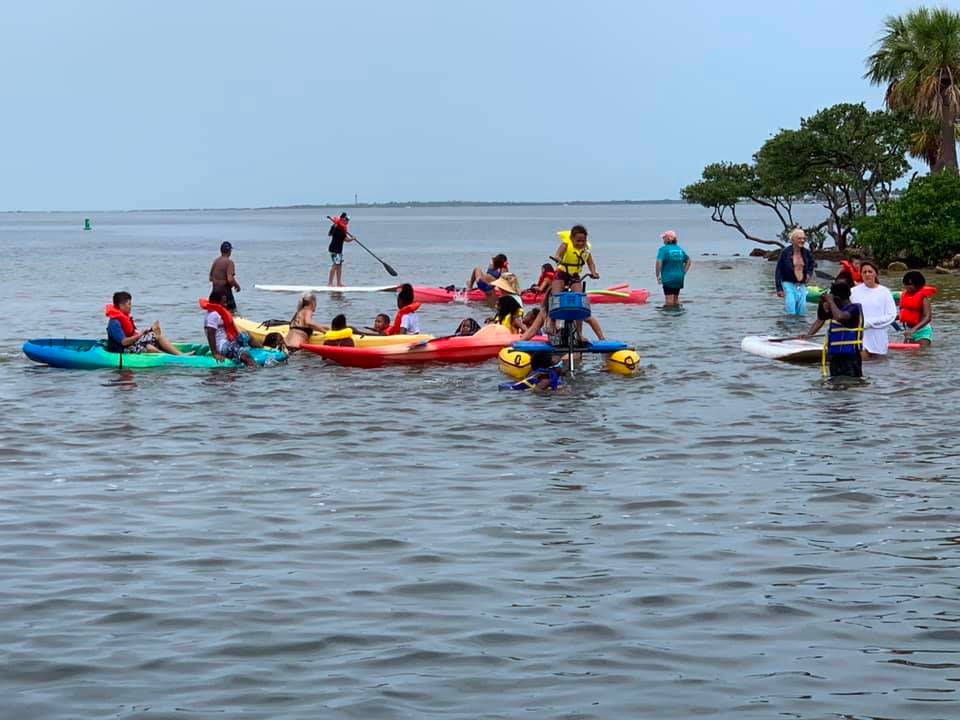
Tarpon Springs feels like a place where water remembers people. The sponge docks and low waterfront buildings are not just scenery—they are the living score to every paddle: fishing boats slide past, pelicans patrol the shallows, and salt air carries the faint tang of citrus. On a board here you move at the same pace as the town’s maritime memory, discovering small islands, winding creeks, and stretches of open gulf that change from calm blue to wind‑rippled silver within a few miles. What makes Tarpon Springs particularly friendly to SUP is variety within a compact radius. The Anclote River and Spring Bayou offer placid, protected water for beginners and families—long, low tidal flats and mangrove corridors that shelter wildlife and reduce chop. A short push across the bay opens up into Gulf water and the small barrier of Anclote Key, where open‑water paddles reward experienced boarders with sandbars, shorebird colonies, and wide horizons. The tidal nature of the region means paddling routes can be shaped by the day: aim with the tide for easy outings, and you’ll find long, lazy returns with the current at your back. Beyond pure scenery, Tarpon Springs offers a cultural layer few coastal paddle towns can match. The legacy of sponge diving and Greek immigrant communities is visible onshore—harborside bakeries, fishing vessels, and the chorus of different languages—so a SUP trip can easily fold into a half‑day of exploring markets and waterfront cafés. For active travelers, the town’s waters pair naturally with snorkeling at shallow reefs, coastal birdwatching, and light fishing from a board. Local conditions favor all these hybrids: calm estuary launches for dawn wildlife paddles, midday gulf runs for a wind and cardio push, and evening flatwater sessions timed for golden light over the docks. Practical planning matters here. Tides, afternoon sea breezes, and boating traffic are the shaping forces of a safe, satisfying paddle. But with simple prep—checking tide tables, launching from a protected ramp, wearing a leash and PFD—you can spend hours scanning the water for manatees and rays, watching sponge boats drift like slow memories, and feeling that rare pleasure of being both part of a place and moving gently through it.

Varied water types: sheltered rivers and bayous for calm learning, plus access to open Gulf paddles and short island crossings for more ambitious trips.

Cultural complement: combine SUP with snorkeling, shoreline birding, and a visit to the historic sponge docks for food and local color.
Activity focus

Choose by purpose

Whale watching, snorkeling, sunset sailing, cultural canoeing, harbor sightseeing, or private chartering.

Departure hubs

Start near the city

Waikiki and Honolulu Harbor are primary hubs, with some trips launching near Hanauma Bay.

Accessibility

Confirm the vessel

Gangways, shaded seating, and boarding requirements vary according to vessel size and operator.

Seasonal planning

Best Time to Visit

Tarpon Springs is warm year-round, but wind, swell, migration, visibility, and demand change the best match between traveler and trip.

Tarpon Springs boat tour
Year-round destination

Seasonal highlights change the reason to go

Winter favors humpback encounters; warmer, calmer months favor snorkeling visibility and smoother water.

Humpback season

Late spring to early fall—warmer, busier waterways and more rental activity.

Prime whale watching, winter holidays, higher demand, and earlier sell-outs.

Snorkeling window

April–May–June–September–October

Typically gentler seas and clearer water for snorkeling trips.

Weather notes

Trade winds year-round

Spring and fall bring stable temperatures and lighter winds; summer is warm and humid with higher afternoon thunderstorm risk, while winter is mild and quieter on the water. Morning paddles usually offer the calmest conditions.

Quieter opportunities

Late spring & summer weekdays

Winter offers solitude and clear days for wildlife viewing; some rental options may have reduced hours.

Match the trip to your comfort

Choose Your Experience Level

Low effort

Beginner

Flatwater estuary paddles, short taming sessions on calm mornings, and guided orientation lessons.

  • Easy paddle on Spring Bayou
  • Guided nature tour in Anclote River channels
  • Family flatwater outing near local parks
Active day trip

Intermediate

Longer shoreline cruises, paddles through mixed mangrove and seagrass zones, and short open‑water crossings in light winds.

  • Coastal cruise along the Gulf shoreline
  • Tidal circuit through mangrove creeks
  • Snorkel‑and‑paddle outing near shallow reefs
Longer or technical

Advanced

Long open‑water routes and island hops that require planning for tides, wind, and weather; benefit from experience with navigation and emergency protocols.

  • Planned crossing to Anclote Key (weather‑dependent)
  • Extended Gulf endurance paddle with support
  • Self‑guided multi‑site coastal exploration

Prepare for sun, spray, and swell

What to Bring

Essential

Core kit

  • USCG‑approved PFD (required in many jurisdictions) and SUP leash
  • Quick‑dry clothing and sun protection (hat, rashguard, reef‑safe sunscreen)
  • Waterproof phone case or dry bag
  • Footwear for rocky or algal launch points
  • Plenty of water and light snacks
Recommended

Useful extras

  • Tide and wind check via app or local report
  • Basic repair kit for inflatable boards and a hand pump if using an iSUP
  • Light first‑aid kit and whistle
  • Sunglasses with retention strap
  • Map of local launch points or a guidebook
Optional

Trip-specific

  • Binoculars for birding
  • Underwater camera for shallow reef snaps
  • Compact anchor or tie‑off for short swims/snorkel stops
  • Insect repellent for mangrove and marsh launches
Check tide tables and wind forecasts; respect boat channels and commercial traffic; always wear a leash and PFD when conditions warrant.

Insider Tips & Local Knowledge

Reserve whale-watching and popular sunset cruises well ahead during December–April.
Choose morning snorkeling departures for calmer seas and better underwater visibility.
For motion sensitivity, choose a larger vessel, sit mid-ship, and take preventative medication before boarding.
Do not touch coral or wildlife, avoid standing on reefs, and use reef-safe sunscreen.
Community-based operators may add context about traditional navigation and stewardship.
Arrive early for parking and check-in because Waikiki departure areas can be busy.

Planning questions

Frequently Asked Questions

Yes—local outfitters and waterfront shops rent boards and typically include paddles, PFDs, and basic orientation. Hours and availability vary, so call ahead, especially on weekends.
Stand‑Up Paddleboarding in Tarpon Springs, Florida
Ready for your sup adventure?

Browse 21 verified trips in Tarpon Springs.

Compare current availability and book with instant confirmation.

Explore Tarpon Springs sup