Kayak in Tavares, Florida

Read the destination guide ↓
Popular Activities
More activities
0 adventures loaded
Kayak in Tavares, Florida
Tavares Kayak Guide

Kayak in Tavares, Florida

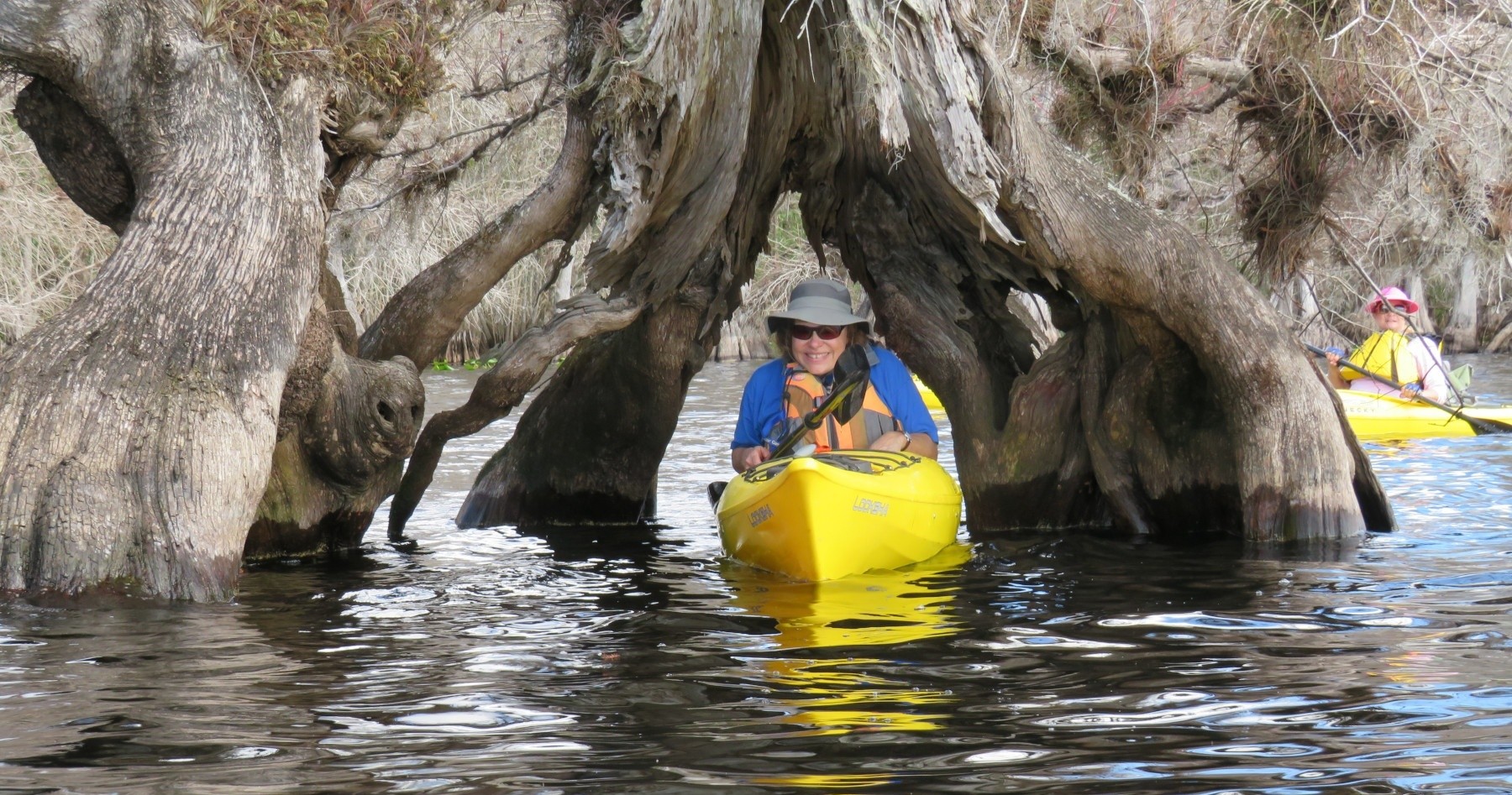
Tavares sits at the water's edge of the Harris Chain of Lakes, where glassy mornings and long sunsets make paddling a daily ritual. This guide focuses on kayaking: flatwater lake routes, sheltered backcountry creeks, and easy connecting paddles that reveal wading birds, sleepy shorelines, and a hint of Central Florida’s freshwater landscapes.

Lake DoraHarris Chain of LakesDora Canal
By Robert Eric CrewsFounder & Editor, The Adventure Collective

Kayak in Tavares

Why Tavares Is a Standout Kayaking Destination

There’s a rhythm to paddling in Tavares that’s almost measured by the light. Dawn arrives as a low, pearly sheet over Lake Dora and the surrounding Harris Chain; the water holds the sky like a shallow mirror and the shoreline stands close and intimate. Kayaking here isn’t an endurance test so much as an invitation to slow down: to read the wind lines, watch kingfishers thread mangled branches, and drift past neighborhoods where porches meet piers. The experience is deceptively varied. You can launch from a manicured municipal ramp downtown and cross open water to a series of small islands, or tuck into the narrow, reed-fringed entrances of canals and backwaters where the world feels smaller and wilder.

Beyond the immediate sensory pleasures, Tavares functions as a practical hub for paddlers exploring Central Florida’s freshwater ecosystem. The Harris Chain links a handful of large, navigable lakes—Dora, Eustis, Griffin—via canals where water levels and currents are gentle most of the year. That connectivity makes for modular days: a short morning glide, an extended loop linking towns, or a guided nature paddle focused on birds and aquatic plants. For people who relish comparative planning, Tavares offers easy decision-making: sheltered flatwater routes for beginners and calm-weather paddles; broad-lake crossings when the breeze is down; and mangrove-edged creeks and springs-fed inlets for wildlife watchers. The cultural context matters, too. Tavares carries a small-town Florida charm that spills into its waterfront cafes and kayak rental shops, meaning logistics—shuttles, rentals, or a friendly local tip—are often straightforward. If you’re calibrating a trip, consider the invisible seasons of freshwater Florida: late fall through spring brings milder temps and clearer water, while summer piles on heat and convective storms that favor early starts and short outings. Navigational clarity, an eye on wind and boat traffic, and respect for wildlife make every paddle smoother. Ultimately, kayaking in Tavares is about proportion: the setting rewards modest ambitions—a sunrise loop, a midday birding run, an evening paddle timed for a peach-and-violet sunset—and it equips them with beautiful, accessible water.

The Harris Chain’s interlinked lakes let paddlers combine short routes into full-day adventures without long shuttle runs.

Wildlife is abundant: herons, osprey, and the occasional river otter frequent shorelines; manatees may appear in cooler months in spring-fed inlets.

Wind and open-lake exposure are the primary hazards—pick launch times and routes that match skill level and forecast.

Downtown Tavares and nearby outfitters make equipment rental, guided tours, and shuttle logistics convenient for visitors.
Seasonal planning

Best Time to Visit

Seasonal conditions and travel timing in Tavares.

Tavares Kayak
Seasonal planning

Tavares throughout the year

Tavares has a subtropical climate: warm, humid summers with frequent afternoon thunderstorms and milder, drier winters. Early mornings are typically calmest on the water; afternoons can become windy. Spring and fall offer the most comfortable paddling conditions and clearer water.

Peak season

Late fall through spring—cooler, drier weather and clearer conditions; holiday weekends are busiest on the lakes.

Popular travel period with peak availability and booking demand.

Best months

October–November–December–January–February–March–April–May

Optimal seasonal conditions for outdoor trips.

Weather notes

Tavares has a subtropical climate: warm, humid summers with frequent afternoon thunderstorms and milder, drier winters. Early mornings are typically calmest on the water; afternoons can become windy. Spring and fall offer the most comfortable paddling conditions and clearer water.

Off-peak opportunities

Summer offers quieter waterways if you launch at dawn to avoid heat and afternoon storms; prices for rentals and local services can be lower.

Match the trip to your comfort

Choose Your Experience Level

Low effort

Beginner

Calm, short flatwater routes close to shore with gentle launches—ideal for first-time kayakers and families.

  • Short shoreline loop on Lake Dora
  • Guided sunrise wildlife paddle
  • Paddle and picnic at a sheltered cove
Active trip

Intermediate

Longer lake crossings, mixed exposure to open water and narrow canals, moderate wind management skills helpful.

  • Point-to-point paddle between Tavares and Eustis
  • Island-hopping loop with guided interpretation
  • Afternoon birding paddle on a spring-fed inlet
Technical or extended

Advanced

Long-distance touring across exposed lakes in variable wind, route-finding along canals, and paddles scheduled to avoid afternoon winds.

  • Extended Harris Chain link-up across multiple lakes
  • Wind-dependent open-lake crossing practice
  • Self-supported micro-expedition with gear stowed in dry bags

Prepare for your excursion

What to Bring

Essential

Core kit

  • USCG-approved PFD (personal flotation device)
  • Plenty of water and sun protection (hat, SPF, long-sleeve sun shirt)
  • Dry bag for phone, keys, and warm layer
  • Whistle or signaling device
  • Proper footwear for launches (water shoes or sandals with straps)
Recommended

Useful extras

  • Light wind layer for early mornings or cool evenings
  • Spare paddle or paddle leash
  • Small first-aid kit and basic repair items (duct tape, zip ties)
  • Portable phone charger and waterproof case
  • Map or downloaded route on a GPS/navigation app
Optional

Trip-specific

  • Binoculars for birding
  • Camera or GoPro with chest/head mount
  • Inflatable or foldable kayak cover for sun protection during breaks
  • Fishing gear for those combining angling with paddling
Check wind forecasts and boat traffic before launching; morning windows are usually calmest and safest.

Insider Tips & Local Knowledge

Launch downtown for quick access to rentals and a guaranteed put-in, then explore quieter backchannels away from the main boat lanes. Respect no-wake zones and give larger boats wide berth—wakes can swamp smaller kayaks. If you’re new to the area, hire a local guide for a half-day to learn the best sheltered routes and wildlife hotspots. Watch water conditions after heavy rains—visibility and current in canals can change. Bring cash or card for small launch fees, and pack out what you bring in; shorelines are popular with local anglers and birders, so keep noise low. Finally, time your paddles around light: sunrise and late afternoon offer the best wildlife viewing and softer winds.

Planning questions

Frequently Asked Questions

Most public launches and day paddles do not require a permit. If you plan to launch from private property, camp overnight, or paddle within a managed wildlife or state park area, check local regulations and park rules in advance.
Kayak in Tavares, Florida
Ready for your kayak adventure?

Browse trips in Tavares.

Compare current availability and book with instant confirmation.

Explore Tavares kayak →