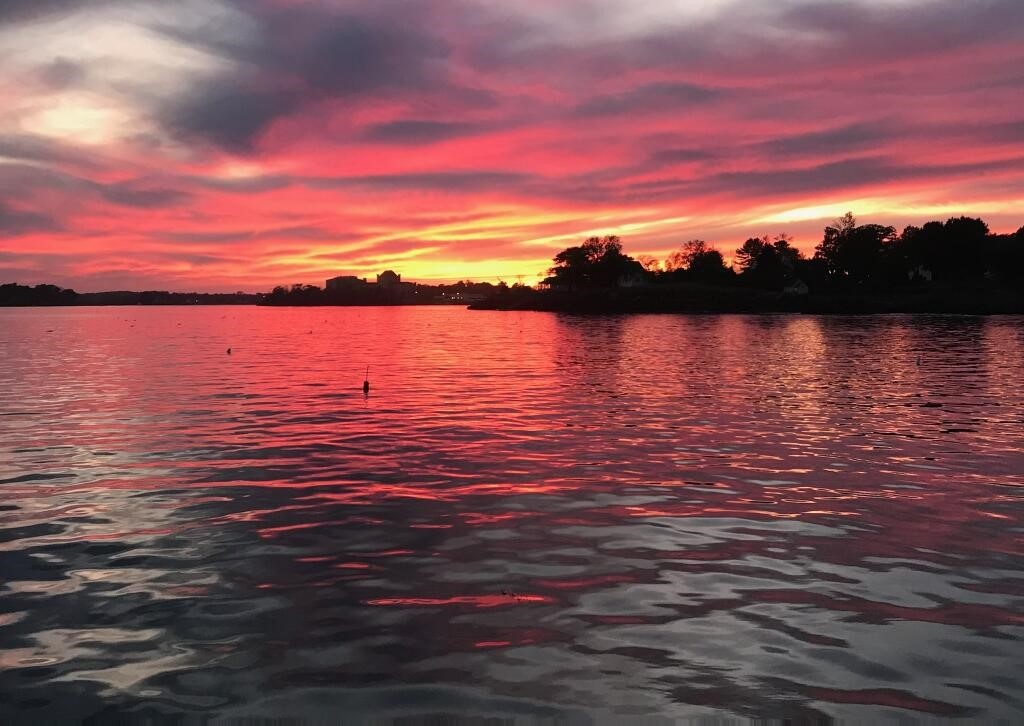
Tavernier is a place where the coastline reads like an invitation: wide mangrove ribbons, shallow sand flats, shelving coral fingers and blue-green channels that funnel baitfish and the predators that follow them. Those oceanographic features make the waters off Tavernier excellent habitat for bottlenose dolphins—the region's reliably present, curious, and often acrobatic residents. On any given morning, you might watch a pod wind through warm shallows in coordinated feeding, ride a bow wave with a juvenile, or spy a pair surfacing in a flash of gray against a sun-split horizon. The intimacy of these encounters is not accidental. The Keys’ relatively shallow continental shelf, plentiful forage, and mosaic of habitat—from seagrass beds to coral heads—create predictable dolphin behavior that skilled local guides know how to read.
The story of dolphin tourism here is as much about timing and technique as it is about location. Operators in the Tavernier–Key Largo corridor specialize in small-group outings that prioritize animal welfare: slow approaches, engine-off observation, and strict no-feed policies. That approach keeps animals wild while giving visitors a front-row seat to natural behavior. Beyond the animal moments themselves, dolphin trips often double as primers on the Keys’ broader marine systems. Guides point out mangrove nurseries, explain seasonal fish movements, and show how the health of reefs and seagrass correlates with dolphin presence. For travelers who want more than a brief sighting, Tavernier provides accessible pathways to combine dolphin watching with snorkeling on shallow reefs, stand-up paddleboarding through quiet backcountry, or a photography-focused charter tailored to capturing action shots. The result is a rounded marine adventure: wildlife observation rooted in place-based learning and an abiding respect for the fragile systems that sustain these animals.
The advantage of staying in or near Tavernier is proximity: tours launch quickly to productive waters, minimizing transit and maximizing time observing dolphins. That matters when calm windows on the ocean are short and weather forecasts change rapidly.
Local operators are accustomed to the seasonal rhythms of the Keys—calving, transient visitors, and feeding aggregations—and they adapt tours for safety and ecological sensitivity. Expect interpretive narration, binoculars, and guidance on best practices for viewing and photography.