Top Eco Tour Experiences in Tavernier, Florida
Tavernier Eco Tour Guide

Top Eco Tour Experiences in Tavernier, Florida

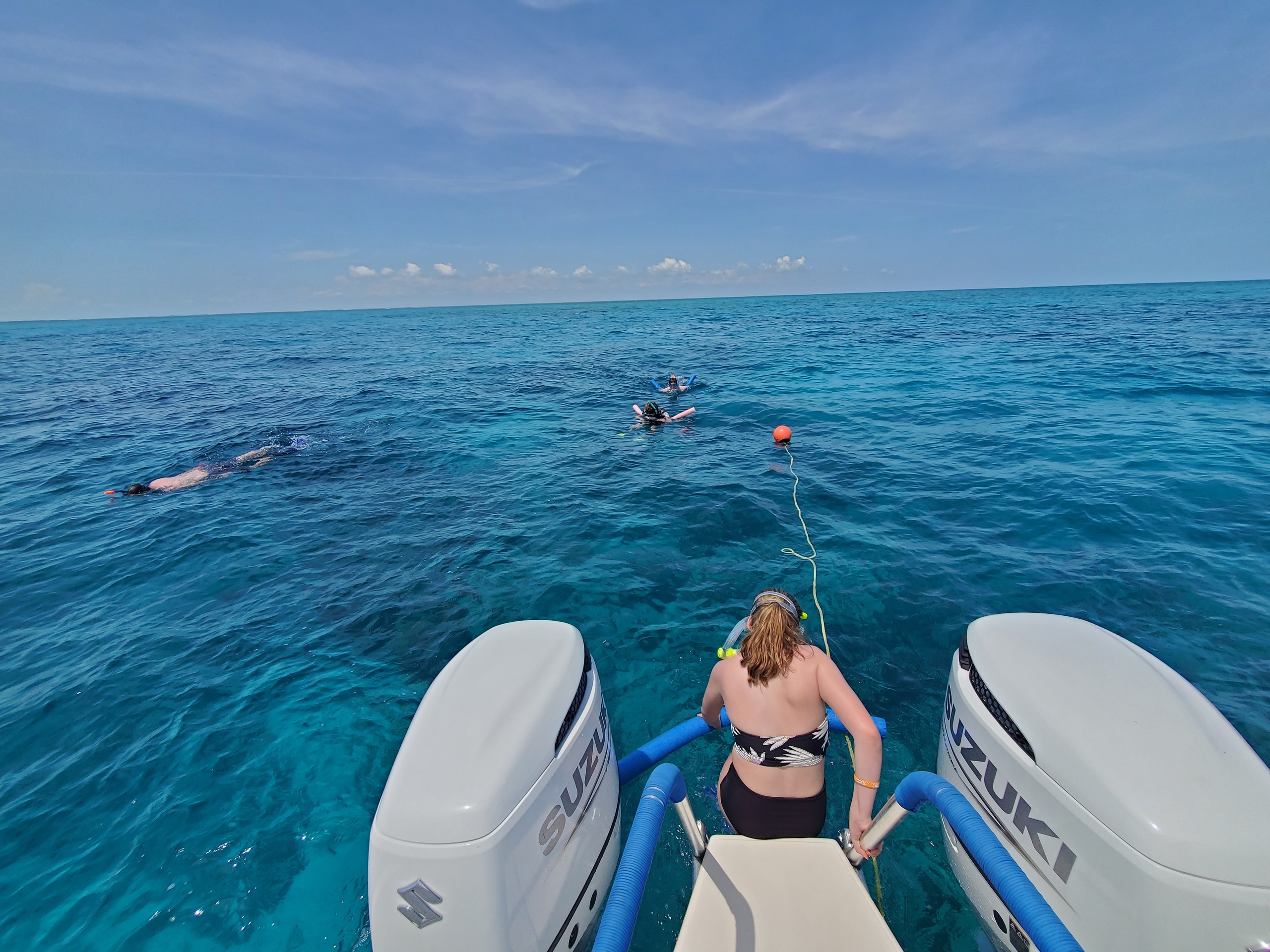
Tavernier is a compact doorway to the living coastal laboratory of the Upper Keys: shallow mangrove-lined bays, seagrass flats thick with juvenile fish, and nearby coral outcrops alive with color. Eco tours here favor small groups, expert naturalists, and a hands-on approach to marine and coastal conservation—snorkel and kayak outings, mangrove ecology paddles, and citizen-science reef surveys that blend thoughtful interpretation with direct experience of fragile habitats.

Florida Keys National Marine SanctuaryMangrove Creeks & EstuariesNearshore Coral Reefs

Live destination inventory

Top Eco Tour Trips in Tavernier

27 trips · Book with confidence · Instant confirmation

The prototype intentionally does not invent replacement trip cards or add images that are not already part of the live source page.

The city from the water

Why Tavernier Is a Standout Eco-Tour Destination

Tavernier sits at an ecological crossroads where shallow, sunlit waters meet protective mangrove fringes and a living coral highway runs offshore. The human scale of the town—small marinas, family-run outfitters, and a community steeped in fishing and marine stewardship—makes it easy to slip into guided experiences that emphasize close observation and learning rather than spectacle. On a morning paddle through narrow mangrove channels you feel the place’s pulse: fiddler crabs carving the mud, juvenile snappers sheltering in root shadows, and migrating shorebirds pausing to refuel. Those same mangroves trap sediments, protect shorelines, and nurse the next generation of reef fish: they are the quiet linchpin of everything you’ll see on the reef. Eco tours around Tavernier are shaped by the shallow, warm-water ecosystems of the Upper Keys. Shallow seagrass flats host sea turtles grazing at dawn; nearshore patch reefs bloom with sponges, colorful corals, and a bewildering variety of reef fish; and the deeper reef slope, accessible by boat trips, offers encounters with larger visitors—barracuda, rays, and the occasional dolphin. Local guides are often naturalists, fishermen, and volunteer scientists who double as storytellers: they read tides and currents, identify subtle signs of reef health, and explain how land-based choices—septic systems, runoff, and coastal development—translate to water quality and coral resilience. What makes Tavernier's eco tours distinct is the mix of learning and action. Operators commonly pair observation with conservation-minded activity: reef-cleanups, invasive-lionfish removals, coral nursery visits, or citizen-science surveys that contribute data to long-term monitoring. That means visitors leave with not only photos but a clearer sense of how reef ecosystems work and what recovery looks like. Because the environments are shallow and accessible, eco tours here are particularly good for families, curious novices, and travelers who want tactile experiences (paddling mangrove tunnels, snorkeling shallow patches) without technical scuba or long boat runs. Practical realities belong in the story too. Water clarity and wildlife encounters shift with seasons, winds, and sargassum pulses. Mornings are usually calmer and clearer for snorkeling; afternoon sea breezes can make paddles choppier but bring better birding as waders move into exposed flats. Operators emphasize reef-safe sunscreen, respectful wildlife distance, and small-group limits—both to protect sensitive habitat and to keep the experience intimate. In short: Tavernier is less about dramatic, remote wilderness than it is about rich, hands-on coastal ecology delivered by guides who know the water and care for it.

Activity focus: Eco Tour — interpretive marine and coastal experiences led by naturalists and conservation-focused operators.

Key habitats: mangrove creeks, seagrass flats, patch reefs and nearshore coral communities within the Florida Keys National Marine Sanctuary.

The harbor is the gateway, and the Pacific becomes the classroom.

Conservation emphasis: many tours include or support coral restoration, lionfish control, reef monitoring, and educational outreach.
Activity focus

Choose by purpose

Whale watching, snorkeling, sunset sailing, cultural canoeing, harbor sightseeing, or private chartering.

Departure hubs

Start near the city

Waikiki and Honolulu Harbor are primary hubs, with some trips launching near Hanauma Bay.

Accessibility

Confirm the vessel

Gangways, shaded seating, and boarding requirements vary according to vessel size and operator.

Seasonal planning

Best Time to Visit

Tavernier is warm year-round, but wind, swell, migration, visibility, and demand change the best match between traveler and trip.

Tavernier boat tour
Year-round destination

Seasonal highlights change the reason to go

Winter favors humpback encounters; warmer, calmer months favor snorkeling visibility and smoother water.

Humpback season

Winter and early spring (November–April), when drier weather and clearer skies draw more visitors.

Prime whale watching, winter holidays, higher demand, and earlier sell-outs.

Snorkeling window

November–December–January–February–March–April

Typically gentler seas and clearer water for snorkeling trips.

Weather notes

Trade winds year-round

Tavernier is subtropical: mild, drier winters and warm, humid summers. Hurricane season runs June–November and can disrupt tours. Sargassum seaweed pulses and plankton blooms occasionally reduce beach comfort and snorkel visibility during summer months.

Quieter opportunities

Late spring & summer weekdays

Late summer and early fall often mean lower prices and fewer crowds; wildlife remains abundant but be prepared for higher humidity, occasional heavy rains, and the risk of tropical storms.

Match the trip to your comfort

Choose Your Experience Level

Low effort

Beginner

Short, guided experiences designed for first-time paddlers and snorkelers—calm waters, brief distances, and focused interpretation.

  • Glass‑bottom boat reef overview
  • Guided shallow-water snorkel at a patch reef
  • Mangrove ecology paddle with a naturalist
Active day trip

Intermediate

Longer half-day tours with more paddling or snorkeling time, slightly exposed flats, and basic wildlife identification.

  • Half-day kayak through tidal creeks and flats
  • Guided snorkel at multiple reef patches
  • Seagrass and turtle-focused outing with species ID
Longer or technical

Advanced

Citizen-science focused trips, deeper-reef snorkels or technical dives coordinated with restoration projects, and multi-stop surveys that require stamina and comfort in variable conditions.

  • Reef-monitoring survey with data collection
  • Lionfish removal and handling workshop (supervised)
  • Coral nursery visit and transplant volunteer day

Prepare for sun, spray, and swell

What to Bring

Essential

Core kit

  • Reef-safe sunscreen (mineral-based) and a hat
  • Lightweight, quick-dry clothing and a rash guard for sun protection
  • Water shoes or sandals that can get wet
  • Reusable water bottle and snacks
  • Small waterproof bag or dry sack for electronics
Recommended

Useful extras

  • Mask and snorkel (many operators rent gear but fit is better if it’s yours)
  • Light wind or rain layer for early mornings or sudden showers
  • Binoculars for birding on flats and shorelines
  • Waterproof phone case or compact underwater camera
Optional

Trip-specific

  • Notebook for naturalist notes and species lists
  • Compact tide chart or app if you plan independent paddles
  • Thin gloves for handling removed lionfish on supervised removal trips
Book morning departures for calmer seas and better visibility; choose small-group operators with a clear conservation mission.

Insider Tips & Local Knowledge

Reserve whale-watching and popular sunset cruises well ahead during December–April.
Choose morning snorkeling departures for calmer seas and better underwater visibility.
For motion sensitivity, choose a larger vessel, sit mid-ship, and take preventative medication before boarding.
Do not touch coral or wildlife, avoid standing on reefs, and use reef-safe sunscreen.
Community-based operators may add context about traditional navigation and stewardship.
Arrive early for parking and check-in because Waikiki departure areas can be busy.

Planning questions

Frequently Asked Questions

No permits are required for typical commercial eco tours; however, certain protected areas or research activities may restrict access. Always follow your guide’s instructions and posted sanctuary rules—removing or touching coral and disturbing wildlife is prohibited.
Top Eco Tour Experiences in Tavernier, Florida
Ready for your eco tour adventure?

Browse 27 verified trips in Tavernier.

Compare current availability and book with instant confirmation.

Explore Tavernier eco tour