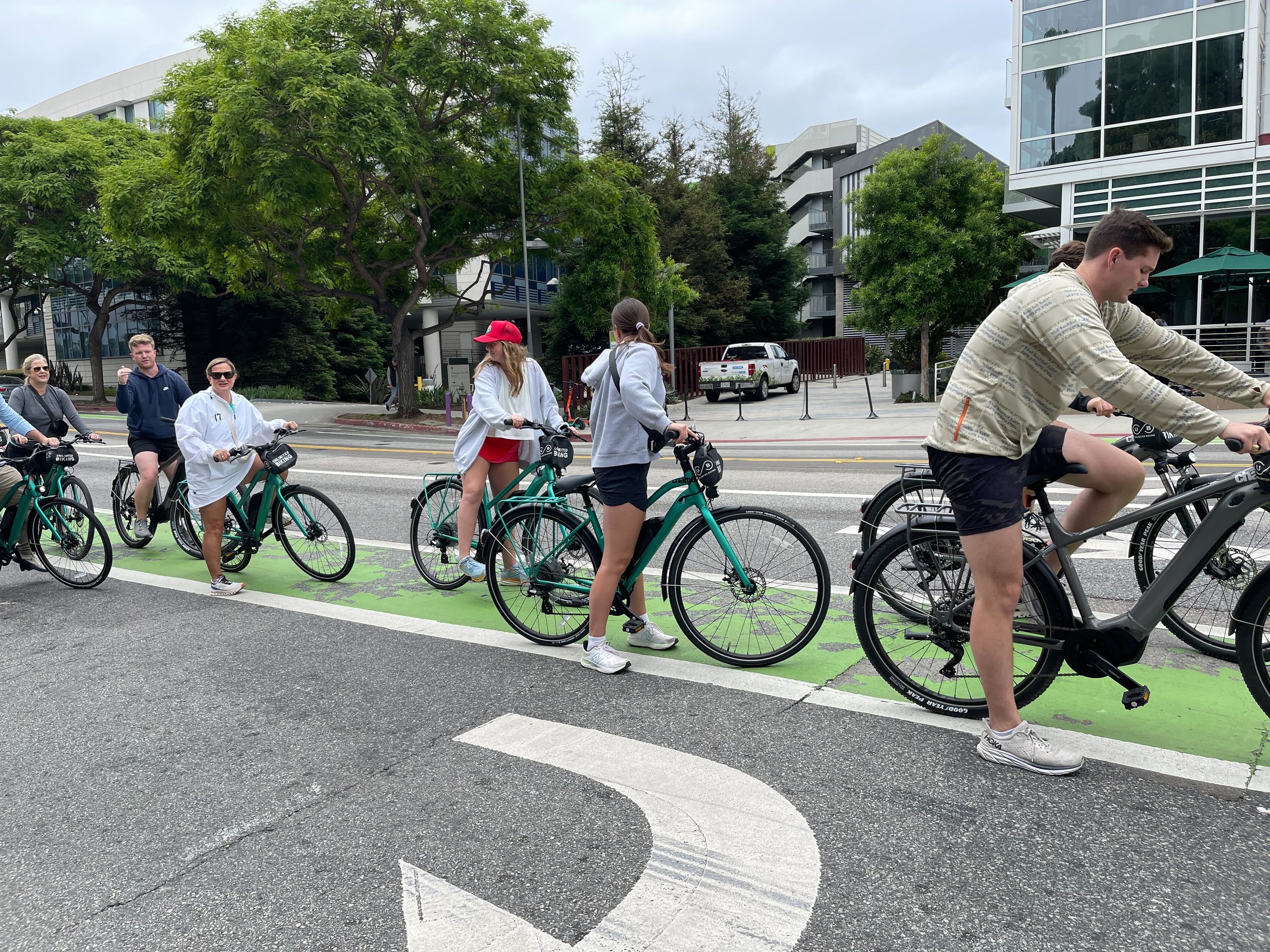
Why Thousand Oaks Is a Standout E-Bike Destination
There’s a certain hush to the Conejo Valley before the day warms: pale light leaking across oak crowns, scrubby ridgelines cutting a slow silhouette against the coastal plain, and a wind that moves in measured breaths. Thousand Oaks sits at that threshold—where suburban streets yield to ranchland, and where the Santa Monica Mountains begin their serrated run west toward the ocean. For riders on electric bikes, that threshold becomes a doorway. E-bikes amplify access, letting you string together quiet residential routes, historic ranch roads, and high, exposed fire roads that reward persistence with sweeping coastal views. You can start in town, pedal a short stretch of urban bike lanes, then launch yourself up into chaparral, arriving at ridgeline vistas that feel a world away from the grocery store parking lot you left an hour earlier.
The region’s geology and land use shape an e-bike itinerary that feels both varied and intimate. Trails range from wide, graded fire roads that are forgiving on tires and batteries, to narrow singletrack hugging ridgelines where momentum and technical skill still matter. The oak‑studded canyons—home to ancient Native Chumash routes, later shaped by ranching and oil exploration—offer pockets of shade and a patchwork of microclimates. In spring, wildflowers and a green carpet of grasses make for one of Southern California’s quietest revelries; in autumn and winter, cooler temperatures and clearer air make longer rides comfortable and the light brutally beautiful.
E-bikes also change how visitors pair experiences in Thousand Oaks. A morning ride up to a ridgeline outlook can dovetail into an afternoon wine tasting in a nearby tasting room, a short hike in Wildwood Regional Park, or a sunset picnic at a preserved open space. This flexibility is uniquely e-bike friendly: chargers and range planning extend your itinerary without requiring a car transfer or an all-day commitment. But that accessibility comes with responsibility. Many public lands and preserves have specific rules about e-bike classes and trail access—some singletrack remains off-limits to motors of any kind, and seasonal closures can appear suddenly during fire season. Sustainable riding practices—staying on designated routes, yielding appropriately, and managing battery cargo and disposal—matter here because the landscapes are ecologically sensitive and highly valued by the local community.
Put simply: Thousand Oaks rewards riders who seek nuance. An e-bike is not a shortcut so much as a key. It allows visitors to traverse varied terrain, experience longer vistas in half the time, and pair active exploring with cultural and culinary finds across the Conejo Valley. The best e-bike days here are rhythmic—alternating climbs that test your legs and electronics with coast-away descents, short rests in shaded oaks, and serendipitous stops at local cafés and historic sites. Whether you’re piloting a nimble Class 1 commuter up a paved connector or a torquier Class 3 on a graded fire road, the region scales to fit your ambition, and leaves room to discover quieter corners of Southern California that still feel like secrets.
E-bikes expand the practical radius for day trips—turning what used to be logistics-heavy outings into accessible adventures that begin in town and finish on a ridge above the Pacific.
Local trails vary: wide, maintained fire roads link parks and open spaces, while tighter singletrack often remains reserved for traditional mountain biking. Understanding access rules is essential.
Seasonality shapes the experience: spring wildflowers and fall's cooler temperatures are ideal, while high summer heat and winter storms require extra planning and safety gear.