Top 18 Airplane Experiences in Tiburon, California
Tiburon Airplane Guide

Top 18 Airplane Experiences in Tiburon, California

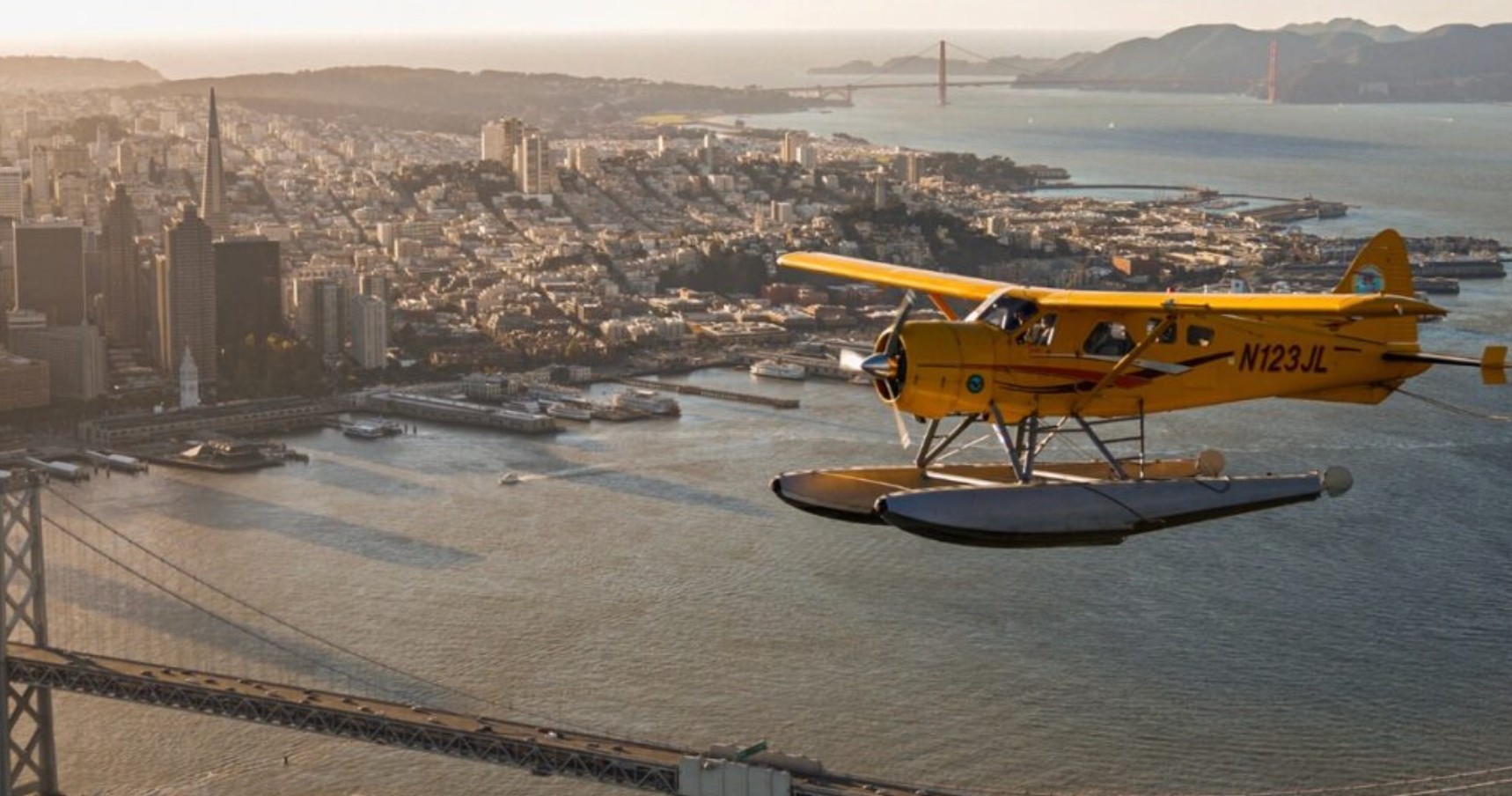
Perched on a slender peninsula with water on three sides, Tiburon is a quiet gateway for airplane-based travel over one of the most photogenic coastlines in the United States. From short scenic hops that stitch together the Golden Gate, Alcatraz, and Angel Island to seaplane takeoffs that skim Richardson Bay, the airplane experience here is less about distance and more about perspective—an hourly reset that turns familiar landmarks into cinematic compositions.

San Francisco BayAngel IslandMarin HeadlandsGolden Gate views

Live destination inventory

Top Airplane Trips in Tiburon

18 trips · Book with confidence · Instant confirmation

The prototype intentionally does not invent replacement trip cards or add images that are not already part of the live source page.

The city from the water

Why Tiburon Is a Unique Airplane Destination

Tiburon sits at a human scale on the edge of the Pacific—the kind of place where land and water trade silhouettes every hour of the day. That intimate geography is one reason airplane experiences here feel so immediate: you lift above hills that are already close to sea level, and the transition from shoreline to skyline happens in minutes. Tiburon’s peninsula and the shallow, reflective waters of Richardson Bay make for efficient takeoffs and landings that favor short, repeatable sightseeing flights rather than long-haul routing. The result is a rich menu of airplane encounters—seaplane hops, fixed-wing flightseeing, discovery flights for aspiring pilots, and photography-focused charters—that are all accessible from the town’s small harbor and nearby airfields. The Bay’s weather and geography also shape the character of flights. Cool marine layers, patchy morning fog, and late-summer “Indian summer” clarity mean every sortie has a distinct personality. A dawn flight can be a soft, low-contrast study in blues and grays with light slipping across the fog bank; a clear autumn afternoon turns the Bay into a map of stitched textures—traffic moving on the bridges, sailboats making ellipses across the water, and long shadows carving the Marin Headlands. Pilots flying from the Tiburon corridor learn to read these microclimates, threading low-altitude arcs that maximize sightlines over Alcatraz and the Golden Gate while minimizing time in turbulent air. That sensitivity to weather and route makes airplane trips from Tiburon especially appealing to photographers, storytellers, and visitors who want an efficient, cinematic way to survey the Bay Area’s natural and cultural landmarks. Culturally, airplane experiences here provide a compact exploration of a region where maritime history, coastal parks, and urban skylines meet. From a window seat you can watch the stroke of human history: forts and ferry landings that hint at military and maritime pasts, the cluster of downtown skyscrapers that anchor a global city, and the green ridgelines of Marin that invite hikers to descend into wind-scoured beaches. For visitors who want to combine flight with on-the-ground adventure, Tiburon is ideal—the town’s ferry and road connections make layering a morning flight with an afternoon hike on Angel Island or a paddle out of Sausalito straightforward. Practically speaking, airplane activities in Tiburon are accessible to a wide range of travelers: many flights are short and scenic rather than technical, discovery flights offer an introduction for would-be pilots, and private charters can be tailored for photographers or small groups. The trade-off is that operations are highly weather-dependent and sometimes limited by small-boat and shoreline infrastructure, so flexibility and advance planning are rewarded. Taken together, Tiburon’s geography, climate rhythms, and proximity to such emblematic Bay features make the airplane category here less about transporting you from point A to B and more about reframing an iconic landscape. It’s a compact, high-intensity way to feel the scale of the Bay—one that sits comfortably alongside hiking, paddling, and cycling options in Marin. Whether you’re chasing sunrise over the Golden Gate, booking a short discovery flight to see what piloting feels like, or arranging a photo-focused hop to capture the low light on Alcatraz, Tiburon’s airplane experiences offer a spectrum of perspectives with the coast as the constant companion.

These flights emphasize viewpoint over distance: short circuits offer rich photographic and interpretive value without long transit times.

Marine layers and localized fog shape scheduling—late summer and early fall often yield the clearest air for extended vistas.

The harbor is the gateway, and the Pacific becomes the classroom.

Airplane experiences pair naturally with nearby activities like hiking the Marin Headlands, kayaking around Richardson Bay, or taking the ferry into San Francisco for an urban extension.
Activity focus

Choose by purpose

Whale watching, snorkeling, sunset sailing, cultural canoeing, harbor sightseeing, or private chartering.

Departure hubs

Start near the city

Waikiki and Honolulu Harbor are primary hubs, with some trips launching near Hanauma Bay.

Accessibility

Confirm the vessel

Gangways, shaded seating, and boarding requirements vary according to vessel size and operator.

Seasonal planning

Best Time to Visit

Tiburon is warm year-round, but wind, swell, migration, visibility, and demand change the best match between traveler and trip.

Tiburon boat tour
Year-round destination

Seasonal highlights change the reason to go

Winter favors humpback encounters; warmer, calmer months favor snorkeling visibility and smoother water.

Humpback season

Late summer and early fall (September–October) when bay visibility improves and flights are least likely to be fogged out.

Prime whale watching, winter holidays, higher demand, and earlier sell-outs.

Snorkeling window

September–October–April–May

Typically gentler seas and clearer water for snorkeling trips.

Weather notes

Trade winds year-round

Bay weather varies by hour: mornings often start with marine layer fog in late spring and early summer, clearing into crisp, clear afternoons in late summer and fall. Wind tends to pick up in the afternoon, so calm conditions are most likely earlier in the day.

Quieter opportunities

Late spring & summer weekdays

Winter and spring flights can be atmospheric with dramatic cloudscapes and lower visitor density; photographers may prefer moody light, and prices sometimes reflect lower demand.

Match the trip to your comfort

Choose Your Experience Level

Low effort

Beginner

Short scenic flights and seaplane hops that prioritize views and comfort. Minimal planning required; great for first-timers and families.

  • 20–30 minute Golden Gate and Alcatraz sightseeing hop
  • Seaplane circuit over Richardson Bay and the Tiburon waterfront
  • Introductory discovery flight with piloted demonstration
Active day trip

Intermediate

Longer charter flights, photography-focused sorties, and discovery lessons that include more time in the cockpit and pre-flight briefings.

  • Aerial photography charter timed for golden hour
  • Extended Bay tour that includes Angel Island and Sausalito approaches
  • Discovery flights with hands-on, supervised stick time
Longer or technical

Advanced

Custom charters or pilot-aligned experiences requiring prior flight training or specialized planning, such as multi-leg coastal hops or technical low-level photography missions.

  • Tailored photo missions with specific altitude and route requests
  • Private charters combining aerial segments with remote shoreline access
  • Pilot proficiency flights using nearby small airfields for advanced training

Prepare for sun, spray, and swell

What to Bring

Essential

Core kit

  • Government-issued photo ID (required for most commercial flights)
  • Light windbreaker and layered clothing (coastal weather changes quickly)
  • Small camera or phone with secure strap for aerial photography
  • Sunglasses and sunscreen (reflections off water intensify exposure)
  • Motion-sickness prevention if you are prone
Recommended

Useful extras

  • Noise-reducing headphones or earplugs for small-cabin flights
  • Compact binoculars for distant shoreline and wildlife viewing
  • A small dry bag for electronics if you plan to transfer to a boat or seaplane
  • A quick-charging power bank for additional battery life during long photo sessions
Optional

Trip-specific

  • Polarizing lens filter for photography to reduce glare off the water
  • Light gloves on cooler mornings
  • Printed directions and local contact numbers for logistics (ferries, shuttles, operators)
Check weather and operator policies before booking; be flexible with timing and arrive early for briefings.

Insider Tips & Local Knowledge

Reserve whale-watching and popular sunset cruises well ahead during December–April.
Choose morning snorkeling departures for calmer seas and better underwater visibility.
For motion sensitivity, choose a larger vessel, sit mid-ship, and take preventative medication before boarding.
Do not touch coral or wildlife, avoid standing on reefs, and use reef-safe sunscreen.
Community-based operators may add context about traditional navigation and stewardship.
Arrive early for parking and check-in because Waikiki departure areas can be busy.

Planning questions

Frequently Asked Questions

Very. Coastal fog, low ceilings, and strong winds can delay or cancel flights. Operators typically monitor conditions closely and may offer rebooking or refunds when weather prevents safe operation.
Top 18 Airplane Experiences in Tiburon, California
Ready for your airplane adventure?

Browse 18 verified trips in Tiburon.

Compare current availability and book with instant confirmation.

Explore Tiburon airplane