Why Tierra Verde Is a Standout Kayak Destination
Stand in a sit-on-top kayak off Tierra Verde at dawn and you’ll understand why paddlers keep coming back: the bay is a wide, forgiving mirror, the wind often tame enough for long, confident strokes, and the world ahead unspools in a mix of mangrove fingers, shell-strewn flats, and distant fortifications that read like coastal postcards. Tierra Verde is not a place of dramatic cliffs or whitewater—its attraction is subtler. It’s the slow, luminous rhythm of a subtropical seascape where every channel bends to reveal a new cove or a flotilla of shorebirds, where dolphins carve ribboned wakes and manatees surface in lazy curiosity. That gentleness makes Tierra Verde an excellent teaching ground for new paddlers and a versatile playground for experienced kayakers seeking wildlife-focused itineraries and easy overnight hops.
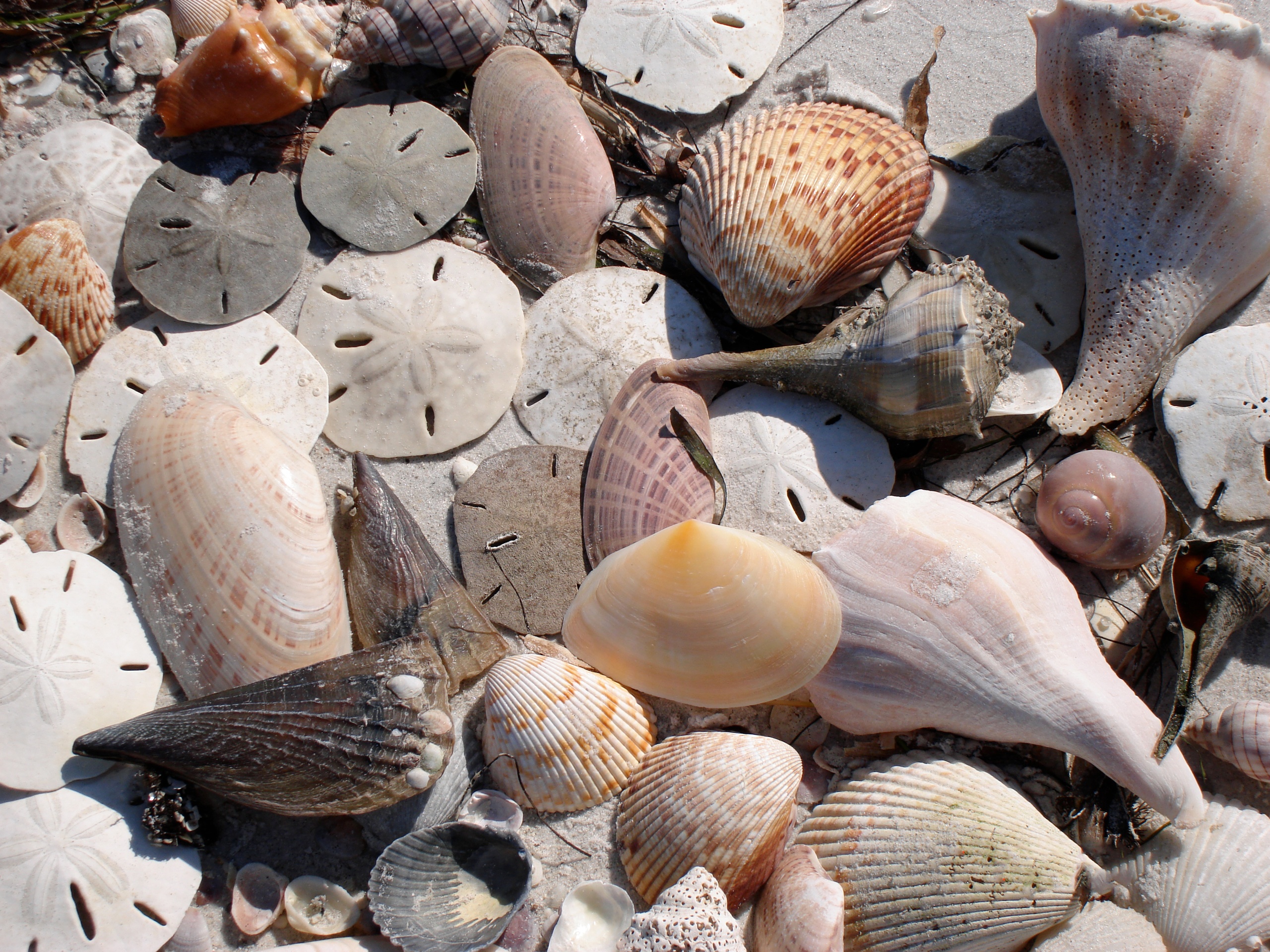
The kayaking here splits cleanly into experiences: bay cruising, mangrove exploration, island-hopping, and short open-water crossings. Bay cruising covers long, low-angle vistas that call for steady cadence and an awareness of tidal currents; island-hopping invites short landings on small keys and shell beaches where picnics and beachcombing are rewards; mangrove paddling requires a slower, more deliberate technique to thread narrow tunnels and witness juvenile fish, fiddler crabs, and the complex root systems that anchor coastal ecology. Historic points—Fort De Soto’s fortifications and the lighthouse-sketched skyline of surrounding islands—add a cultural layer to paddles, turning a morning outing into a compact, place-based story.
Practical edges shape the experience as much as scenery. Wind patterns and tidal windows matter: onshore breezes can turn a casual loop into a slog, while outgoing tides make crossings quicker and shallower flats more exposed. Weather is characteristically Floridian—hot, humid summers with frequent afternoon storms and mild, comfortable winters—so timing outings around early mornings or late afternoons reduces both heat and chop. The area’s protected habitats mean paddlers should be deliberate about launch choices, keep clear of rookery islands during nesting season, and favor designated landing spots to reduce impact. Guided trips and local outfitters are plentiful and useful: they provide local knowledge about currents, wildlife hotspots, and safe crossing points and are an excellent option for paddlers new to coastal conditions. For independent paddlers, reliable entry points, shuttle-friendly parking, and clustered island loops make Tierra Verde especially suited to half-day and full-day adventures.
In short, Tierra Verde isn’t about one big push of adrenaline; it’s about the slowed experience of place—the patient work of paddling through mangrove architecture, the sudden gleam of a dolphin’s back at your bow, the hush of an empty shell beach. It’s approachable, variable, and rich with natural history, making it a high-value stop for anyone mapping a Gulf Coast paddling itinerary.
A mix of sheltered bays and short open-water stretches creates paddling options for beginners and experienced sea kayakers.
Wildlife is a primary attraction—dolphins, manatees, wading birds, and a seasonal pulse of migratory species offer near-constant rewards for patient observers.
Local outfitters provide guided paddles, eco-tours, and rentals that simplify logistics and expand access to protected areas.
Tide and wind patterns strongly affect route difficulty; plan with a tide table and an eye on afternoon sea breezes.