Why Sightseeing Tours in Tuckasegee Are Special
Tuckasegee is not a place that shouts for attention; it seduces it. The experience of a sightseeing tour here is built on rhythm and detail rather than towering vistas or single-icon moments. Roads wind through broad creek valleys and across low ridgelines where layers of oak, hickory, and rhododendron shift color with the seasons. The Tuckasegee River—the steady spine of the valley—offers a changing soundtrack: glass-still pools at dawn, riffles that mirror the sky by noon, and long, reflective reaches of water at dusk. Tours that follow river corridors or skirt forest edges reveal the Appalachian foothills’ quieter geometry: farmed clearings that open like breath, old stone walls half-swallowed by moss, and small wooden bridges that frame the landscape like a living photograph.
A sightseeing tour in this part of western North Carolina is as much cultural as it is scenic. The region’s human story—Cherokee roots, mountain agriculture, and a tradition of woodworking and craft—shows up in roadside markers, small historic cemeteries, and the craft stalls that dot market days. Local guides often layer narratives about land use, seasonal livelihoods, and conservation as naturally as they point out the best light for a photo. That context deepens the visual experience: a roadside stand of early-season strawberries becomes more than a snack stop when you understand the rhythm of planting and harvest that shapes local life.
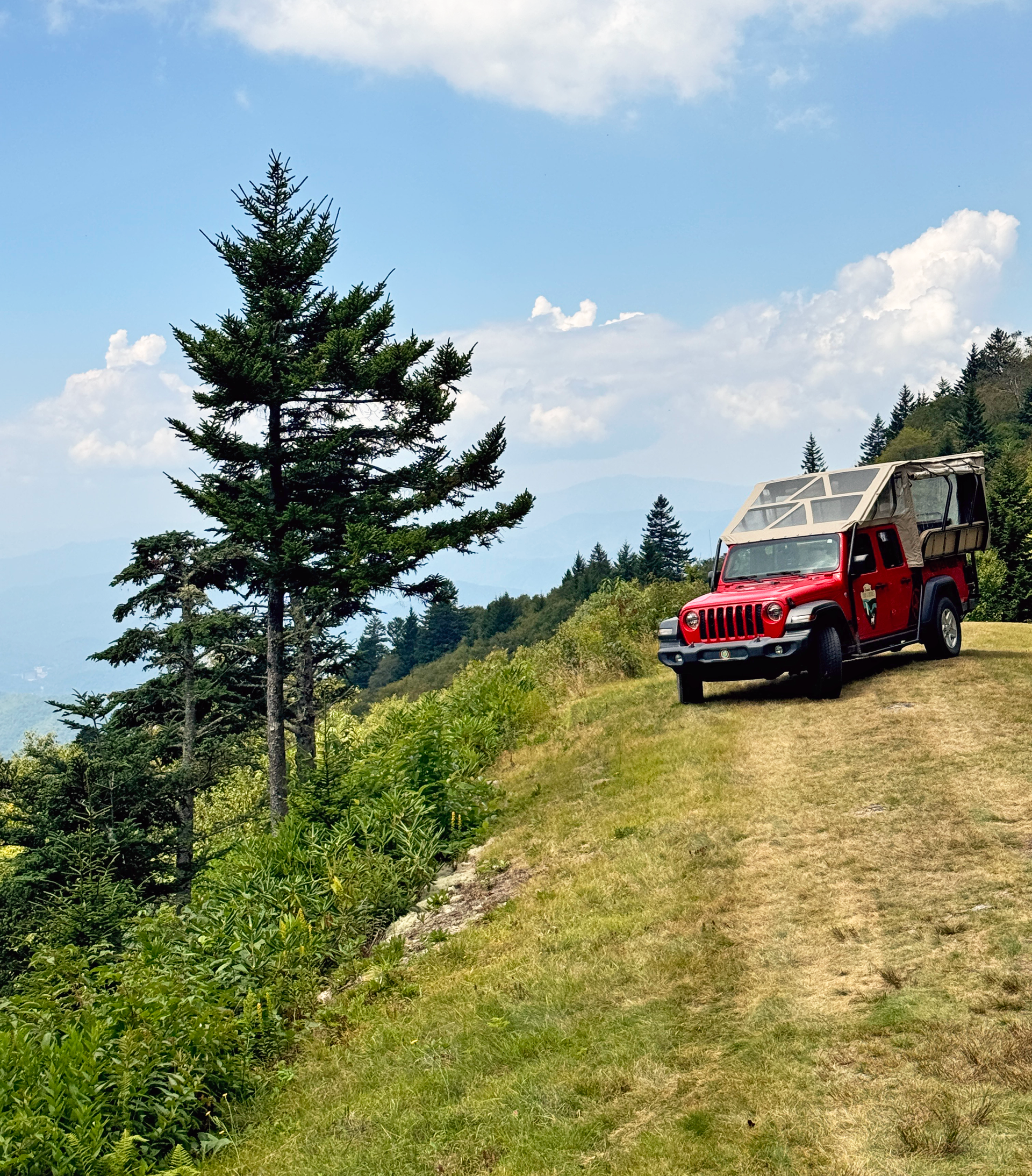
Practically, tours in Tuckasegee are accessible and flexible. Many routes are daytrip-friendly, with pullouts and short walks to overlook the river or a cascade. The terrain is forgiving—mostly paved county roads and well-graded gravel in the backcountry—so you'll spend your time looking and listening rather than straining. That accessibility makes Tuckasegee a great choice for travelers who want high-impact, low-effort experiences: sunrise coffee at a river bend, mid-morning visits to a craft cooperative, lunch at a family-run diner, and a gentle afternoon drive that finishes at an overlook as evening warms the hills. For photographers and naturalists, light and seasonal transitions are the real attractions; for families, the mix of short stops and safe, scenic driving makes the area unusually convenient.
Seasonality changes the character of every tour. Spring unfurls a riot of wildflowers and swollen streams; summer brings dense green canopies and the cool hush of forested pullouts; fall concentrates color into explosive palettes along ridgelines and riverbanks; winter pares the scene back to shape and structure, offering clear views and quieter roads. Because the emphasis is on close observation rather than strenuous travel, sightseeing tours here reward repetition—a return trip in a different month can feel like a wholly different place.
The variety is subtle but satisfying: short riverfront circuits, heritage-focused village tours, photographic sunrise/sunset drives, and guided routes that pair scenic viewpoints with local food and crafts.
Changing seasons dramatically reshape mood and access—spring and fall are especially compelling for nature and cultural viewing, while winter offers solitude and clearer long-distance visibility.