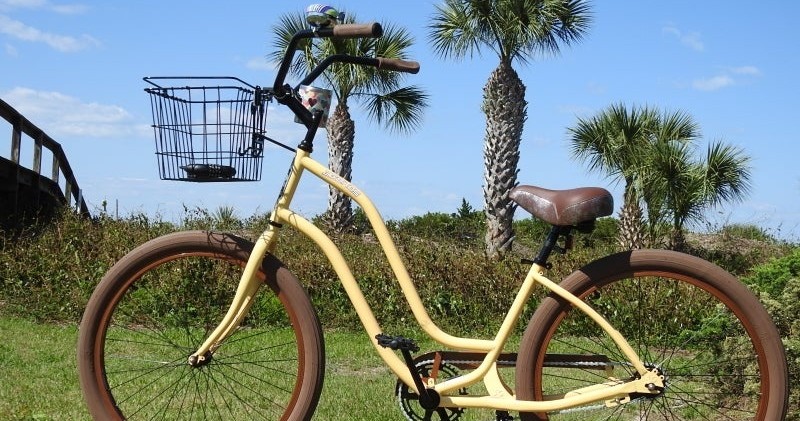
Why Tybee Island Is Perfect for Renting a Bike
Tybee Island compresses the pleasures of a coastal escape into easy distances, and that compactness is why biking here works so well. The island’s human scale—short blocks, low speed limits, and a network of beachside and neighborhood streets—encourages a relaxed pace: you can roll from a beachfront café to the lighthouse, track the edge of tidal creeks, and still be back in time for a late-afternoon swim. Renting a bike removes the logistics of parking and gives you a more sensory mode of travel. Salt on the air, the distant cry of gulls, and sudden glimpses into marsh channels are part of the ride rather than a view through a car window.
But Tybee isn’t just about ease; it’s about variety. Rental shops keep an array of bikes—classic cruisers with wide seats and balloon tires, sturdy hybrids for paved backroads, cargo and family options with child seats or trailers, and increasingly, pedal-assist e-bikes for longer or windier days. That means you can tailor the experience to your fitness level, your group, and the weather. A morning on a cruiser is a different kind of pleasure than an exploratory loop on an e-bike that carries you out to lesser-known overlooks. For families and casual travelers, the simplicity of a cruiser and the safety of predictable streets make cycling the default way to get around.
Environmental context also shapes the ride. The island sits between open ocean and wide salt marshes, and tides, wind, and migrating birds are part of the daily calendar. That makes timing important: early mornings and late afternoons are cooler and calmer, and they double as the best hours for wildlife sightings and soft light for photos. Summer brings heat, beach traffic, and peak rental demand; shoulder seasons—spring and fall—offer milder temperatures and quieter lanes. For those who want to combine experiences, a rental bike pairs naturally with stand-up paddleboarding, guided birding, beachfront picnics, and short ferry or drive trips to nearby historic Savannah. Doing those combos means planning: reserve an e-bike if you expect strong offshore winds, pack a lock if you’ll stop for coffee or a tidepool walk, and factor in sunscreen and hydration for exposed stretches.
Finally, renting a bike here is a local ritual. Shop owners tend to be small-business people who know routes, tide quirks, and quiet sandwich spots for a mid-ride break. Ask for a recommendation and you might get a beachside shortcut, a preferred coastal lane, or a low-traffic route that avoids the busiest blocks. That local knowledge turns a rental into more than a transaction: it becomes the key to an island rhythm that’s slow, tactile, and very much on two wheels.
Tybee’s compact grid and low vehicle speeds make it an excellent place for families and casual riders.
Rental fleets are diverse: cruisers and beach bikes for easy pace, hybrids for longer paved loops, e-bikes to mitigate wind and extend range.
Tides, wind, and heat matter: early morning and late afternoon rides are often most pleasant and safest for wildlife viewing.
Bike rental pairs well with other coastal activities—kayaking, birding, lighthouse visits, and short trips to Savannah—making it a versatile transport option.