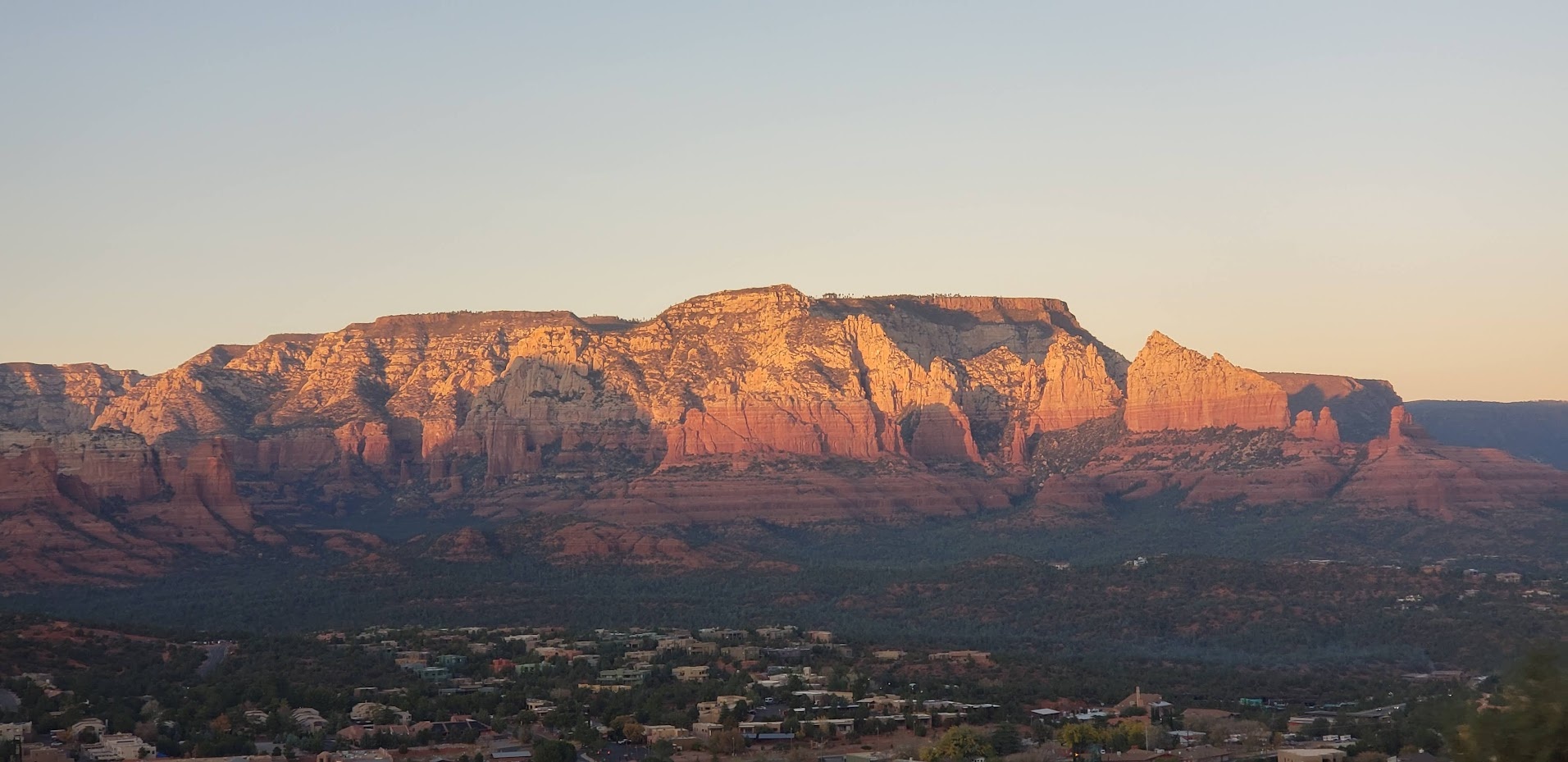
Why Boat Tours Near Village of Oak Creek Are Special
The idea of a boat tour in a high-desert, red-rock landscape initially feels unlikely—until you see how the region’s narrow rivers and creek corridors thread water into the sand and stone. Around the Village of Oak Creek, boat-based outings are deliberately scaled down to match the terrain: low-profile pontoons glide through willow-lined channels, kayaks slip beneath overhanging banks, and stand-up paddleboards place you at eye level with the river’s edge. This intimacy transforms the experience. Instead of loud engines and open seas, you get the hush of ripples against hulls, the close-up flutter of warblers among cottonwoods, and the slow reveal of geological layers carved by millennia of water and wind.
Beyond the sensory pleasures, boat tours here are a bridge between disciplines—part natural history, part cultural guidebook, part photographic workshop. Guides commonly weave together the story of the land: the ancient human presence of Sinagua and Indigenous peoples who relied on these water sources, the arrival of ranching and early Euro-American settlers, and the ongoing conservation efforts that keep riparian habitats intact. Geology lessons come readily: near-horizontal rock strata, isolated buttes, and the stained alcoves that collect mineral-rich runoffs all read like pages in a field guide. For visitors, that means each bend in the water brings a different focal point: a nesting pair of kestrels overhead, a reflective pool where native fish gather, or a cliff face that glows honey-red at sunset.
Practical scale is part of the appeal. Because water volumes are modest compared to big-lake boat traffic, operators favor smaller craft and shorter routes—an hour-long interpretive cruise, a half-day paddle through narrow canyon pockets, or combined land-and-water itineraries that pair a morning hike with an afternoon float. This allows visitors to stitch a boat tour into a day of other activities—rock scrambling on nearby trails, a photography walk through red-rock vistas, or a slow wine tasting in local Verde Valley communities. It also makes the experience accessible: families, first-time paddlers, and travelers seeking a contemplative way to engage with Sedona’s red-rock backdrop will find options tuned to slower rhythms.
Seasonality governs the feel of these trips. Spring brings higher flows and lush riparian vegetation; migratory birds add a soundtrack of new arrivals. Summer can be intensely hot on exposed banks, pushing tours into early mornings or later afternoons and bringing the occasional dramatic monsoon storm that reshapes river moods. Fall cools the air and sharpens light for photographers, while winter excursions run less frequently but offer solitude and crisp clarity for the keen observer. Regardless of season, the best boat tours emphasize respect for fragile river edges, local wildlife, and archaeological sites—guides usually set a deliberate pace to minimize disturbance while maximizing moments of discovery.
Boat tours here are interpretive: expect naturalists and local guides to explain riparian ecology, regional geology, and cultural history as you travel.
The format skews toward small groups and intimate craft—pontoon cruises, guided kayaks, and SUP trips—rather than large commercial vessels.
The harbor is the gateway, and the Pacific becomes the classroom.
Combine a waterborne outing with hiking, canyon photography, birdwatching, or a visit to nearby Verde Valley wineries and historic sites for a full-day itinerary.
Choose by purpose
Whale watching, snorkeling, sunset sailing, cultural canoeing, harbor sightseeing, or private chartering.
Start near the city
Waikiki and Honolulu Harbor are primary hubs, with some trips launching near Hanauma Bay.
Confirm the vessel
Gangways, shaded seating, and boarding requirements vary according to vessel size and operator.