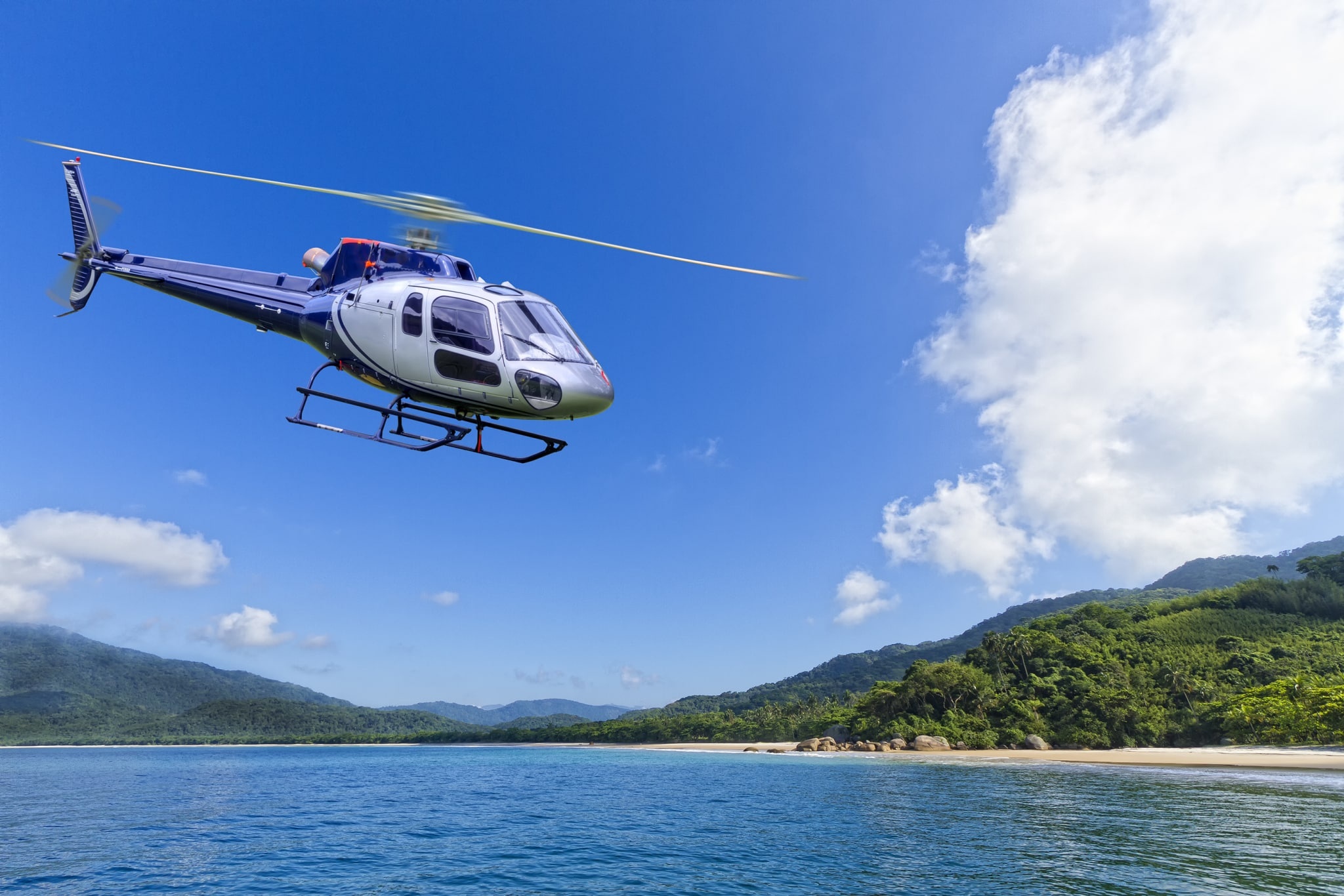
Perched on the island’s southeastern flank, Volcano occupies a rare intersection of volcanic spectacle and upland ecology. Seen from the ground, the landscape impresses with steam plumes, hardened pahoehoe ribbons, and fern-draped wet forest. From the air, those features articulate into readable forms: sinuous lava flows become ribbons cutting across dark plains; the crater’s rim reads like a scar on the earth; coastal cliffs and reefs show the ocean’s constant shaping. Flying above Volcano condenses continental-scale processes into a scene you can take in in an hour. That compression is the reason air activities here are more than tourist thrills — they’re interpretive experiences. Pilots and guides narrate the island’s birth, explain how diamond-hard lava changes texture as it cools, and point out the human settlements that have adjusted to—and occasionally been overtaken by—this active landscape.
Weather and wind patterns make Volcano especially compelling for pilots who prize variability. The area sits beneath trade winds that sweep moisture from the ocean up the slopes, creating cloud banks, orographic showers, and dramatic shafts of light. Those same winds can generate crosswinds and turbulence at low elevations, so the window for smooth, scenic flying narrows to mornings or transitional calm periods. That variability rewards planning: a dawn or late-afternoon flight often yields the most stable air and the richest light for photography. Seasonally, the island’s patterns are gentle compared with continental mountains, but even small shifts in wind direction can change whether a pilot can safely approach Kīlauea’s summit or skirt the coastline for reef views.
Air activities in Volcano emphasize small-group, small-aircraft operations. That scale keeps flights flexible and responsive to rapidly changing conditions and allows approaches that feel intimate without sacrificing safety. Overflight rules and national park protections shape routes and altitudes; operators work within those boundaries to craft experiences that are both dramatic and respectful of conservation goals. For travelers, the key trade-off is clarity: the clearest days offer unforgettable panoramas, while hazy or windy days may produce cancellations. This makes contingency planning essential—pair an airborne reservation with ground-based alternatives such as guided crater-rim walks, lava-field treks, or cultural tours so a weather day still becomes an adventure.
Ultimately, Volcano’s air activities are an argument for perspective. They let visitors understand the island’s scale and energy in a way a single trail or overlook cannot. Whether you’re watching steam rise like a ghostly column from the caldera or following a coastline where reef geometry becomes legible from above, flying here rewrites your map of Hawai‘i into a layered, living geology lesson.
Small, nimble aircraft and experienced pilots enable low and slow observation over key features—caldera rims, lava fields, and rainforest mosaics—while following park-prescribed corridors and altitude restrictions.
The best flights are often scheduled around dawn or late afternoon to avoid trade-wind turbulence and to take advantage of directional light; always plan for weather-related changes and have ground-based backup activities.
Choose by purpose
Whale watching, snorkeling, sunset sailing, cultural canoeing, harbor sightseeing, or private chartering.
Start near the city
Waikiki and Honolulu Harbor are primary hubs, with some trips launching near Hanauma Bay.
Confirm the vessel
Gangways, shaded seating, and boarding requirements vary according to vessel size and operator.