Top 5 Climbing Adventures in Volcano, Hawaii
Volcano Climbing Guide

Top 5 Climbing Adventures in Volcano, Hawaii

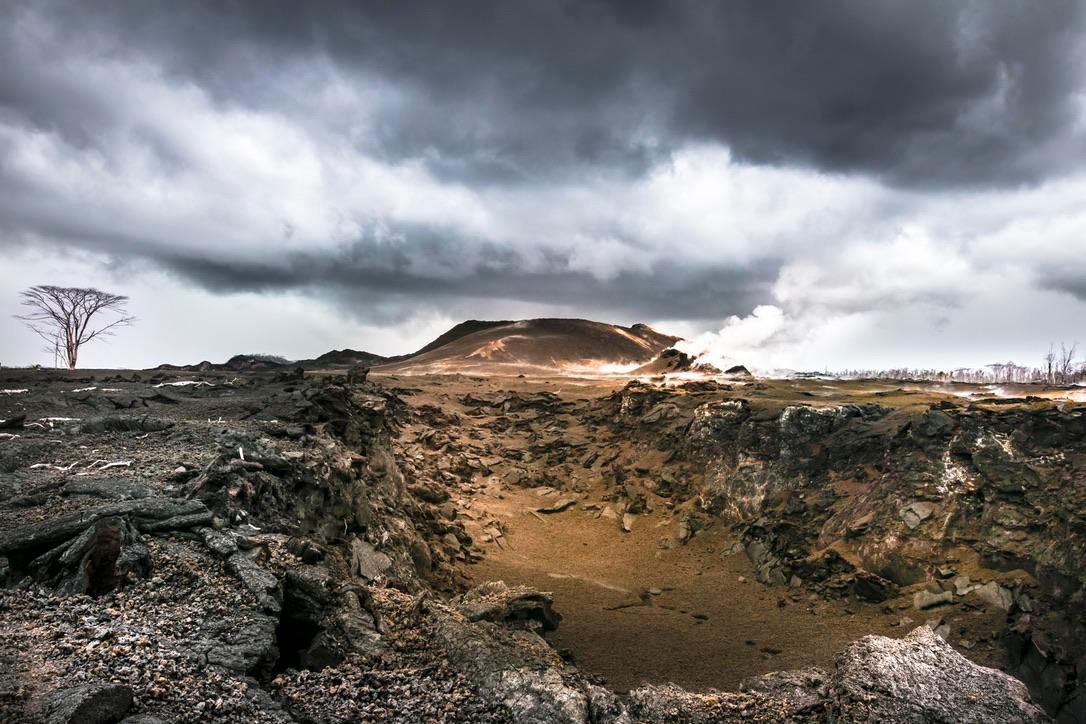
Volcano condenses the paradox of Hawaiʻi climbing: otherworldly volcanic rock, lush montane forest approaches, and sudden weather that turns a sunlit scramble into a misty, moss-slick test of route-finding. This guide focuses on climbing experiences anchored in Volcano village and the greater Hawaiʻi Volcanoes National Park—bouldering on cooled lava, technical lines on basalt features, and higher-elevation scrambles that borrow techniques from alpine climbing but keep the island’s flavor of unpredictability.

Hawaiʻi Volcanoes National ParkLava flows & basalt outcropsHigh-elevation ridge scrambles

Live destination inventory

Top Climbing Trips in Volcano

5 trips · Book with confidence · Instant confirmation

The prototype intentionally does not invent replacement trip cards or add images that are not already part of the live source page.

The city from the water

Why Volcano Is a Standout Climbing Destination

Climbing in Volcano feels like stepping into a geological library written in cooled lava and moss. Where granite slabs and limestone cliffs tell the long history of mountain-building, Volcano’s walls and boulders are the immediate, tactile pages of recent fire: pahoehoe ropy flows, jagged ʻaʻā fields, and basalt outcrops that fracture into pocketed faces and sharp edges. That rawness makes every move memorable. Routes are rarely tamed into a standard guidebook expectation—many problems are short and intense, others demand careful route-finding across unstable rock or vegetated ribs. Approaches move quickly from humid, fern-lined forest tracks into exposed rocky clearings, producing microclimates that can change temperature and grip in minutes. Beyond rock type, Volcano’s climbing is compelling because of its context. You climb within a living landscape shaped by Pele’s activity and sustained by a tropical climate—the air smells of ferns and volcanic glass, and the weather oscillates between high-elevation chill, trade-wind sun, and sudden rain. The area is culturally resonant: sacred sites and native plant communities require thoughtful behavior and respectful access. Conserving fragile lichens and not disturbing cultural features are practical gestures that become part of good climbing protocol here. For trip planning, Volcano suits a spectrum of adventurers. Boulderers will find concentrated, short problems that favor power and balance against textured, often sharp holds. Sport and traditional climbers encounter sparse bolt lines where protection and boldness matter; many routes are seeker-friendly only with local knowledge or a guide. For mountaineers and high-country climbers, the surrounding slopes of Mauna Loa and the park’s ridgelines offer longer, high-elevation experiences that borrow from alpine technique—route-finding, exposure management, and self-sufficiency are essential. Because climbing locations are interwoven with park land and private inholdings, access, etiquette, and seasonal restrictions matter—check land managers before you go. Finally, Volcano’s climbing is compact and intimate. Unlike large continental crags where approaches can drain a day, here you can stage morning climbs and afternoon nature walks, or combine sea-level snorkeling on the island’s coast with a twilight crag session. That flexibility makes the village a great base: you get deep, concentrated climbing within a short drive of cultural sites, visitor centers, and scenic drives. Expect fewer bolted sport routings than a developed crag system, and more of a hybrid ethic—bring both trad gear and a willingness to improvise with natural protection and careful footwork. In short, Volcano rewards climbers who value geological character, variable conditions, and a respectful, low-impact approach to an environment that is both fragile and magnificent.

Climbing variety is compact: short, powerful boulder problems; mixed trad and sport routes on fractured basalt; and higher-elevation scrambles that feel alpine but remain tropical.

Weather and microclimates reshape conditions rapidly—slick rock after rain, crisp cool mornings in the high country, and sudden wind-driven showers are common.

The harbor is the gateway, and the Pacific becomes the classroom.

Local access and cultural sensitivity are central: many routes lie near protected or culturally significant areas, so confirm permissions and practice leave-no-trace ethics.

Activity focus

Choose by purpose

Whale watching, snorkeling, sunset sailing, cultural canoeing, harbor sightseeing, or private chartering.

Departure hubs

Start near the city

Waikiki and Honolulu Harbor are primary hubs, with some trips launching near Hanauma Bay.

Accessibility

Confirm the vessel

Gangways, shaded seating, and boarding requirements vary according to vessel size and operator.
Seasonal planning

Best Time to Visit

Volcano is warm year-round, but wind, swell, migration, visibility, and demand change the best match between traveler and trip.

Volcano boat tour
Year-round destination

Seasonal highlights change the reason to go

Winter favors humpback encounters; warmer, calmer months favor snorkeling visibility and smoother water.

Humpback season

Late spring through early fall sees more visitors and drier windows for climbing.

Prime whale watching, winter holidays, higher demand, and earlier sell-outs.

Snorkeling window

April–May–September–October

Typically gentler seas and clearer water for snorkeling trips.

Weather notes

Trade winds year-round

Volcano’s climbing is possible year-round but is most comfortable in the shoulder months when rainfall is moderate and humidity eases. Mornings can be cool at elevation; afternoons often bring showers, especially in the winter rainy season. Watch forecasts for wind and vog (volcanic haze) when active volcanic emissions are present.

Quieter opportunities

Late spring & summer weekdays

Wet-season visits offer solitude and mossy, atmospheric scenery—expect slick approaches and bring extra traction and waterproof protection.

Match the trip to your comfort

Choose Your Experience Level

Low effort

Beginner

Short, low-angle scrambles and easy bouldering problems near trailheads suitable for climbers new to volcanic rock—best tackled with supervision or after a brief skills session.

  • Introductory bouldering circuits on cooled lava outcrops
  • Short technical scrambles on low-elevation ridgelines
  • Guided top-rope sessions in sheltered volcanic amphitheaters
Active day trip

Intermediate

Longer boulder problems, single-pitch sport routes, and multi-pitch scrambles that require solid footwork, moderate protection skills, and comfort with exposure.

  • Single-pitch sport or mixed routes on basalt faces
  • Extended bouldering sessions across variable rock types
  • Half-day ridge scrambles that require route-finding
Longer or technical

Advanced

Technical trad lines, multi-pitch climbs, and high-elevation ascents where protection placement, anchor building, and self-rescue skills are essential. Advanced trips may involve long approaches and remote conditions.

  • Multi-pitch trad routes on fractured lava outcrops
  • Remote ridge traverses at elevation with alpine-style exposure management
  • Self-supported route-finding climbs that require advanced gear and judgement

Prepare for sun, spray, and swell

What to Bring

Essential

Core kit

  • Climbing shoes and a comfortable approach shoe
  • Helmet (volcanic rock can be sharp and loose)
  • Rope (60m recommended if attempting multi-pitch or unknown anchors)
  • Basic trad rack and quickdraws (route-dependent)
  • Harness, belay device, and slings
  • Plenty of water and sun protection
Recommended

Useful extras

  • Lightweight guidebook or route topo (digital or local resource)
  • Approach shoes with sticky rubber for wet rock
  • Gloves for sharp or cooled-lava friction
  • Small first-aid kit and blister care
  • Rain shell and a warm midlayer for high-elevation sessions
Optional

Trip-specific

  • Bouldering pad and brush for cleaning pockets
  • Microspikes or traction devices for muddy approaches
  • Binoculars or telephoto lens for scouting lines from a distance
  • GPS device or downloaded offline maps for remote approaches
Confirm route access, recent conditions, and park alerts before heading out. When in doubt, hire a local guide.

Insider Tips & Local Knowledge

Reserve whale-watching and popular sunset cruises well ahead during December–April.
Choose morning snorkeling departures for calmer seas and better underwater visibility.
For motion sensitivity, choose a larger vessel, sit mid-ship, and take preventative medication before boarding.
Do not touch coral or wildlife, avoid standing on reefs, and use reef-safe sunscreen.
Community-based operators may add context about traditional navigation and stewardship.
Arrive early for parking and check-in because Waikiki departure areas can be busy.

Planning questions

Frequently Asked Questions

Access rules vary by land manager. Day climbing in many designated areas is typically allowed, but overnight climbs, backcountry approaches, or routes that cross protected cultural sites may require permits or prior permission. Always check with the National Park Service and local landowners before you climb.
Top 5 Climbing Adventures in Volcano, Hawaii
Ready for your climbing adventure?

Browse 5 verified trips in Volcano.

Compare current availability and book with instant confirmation.

Explore Volcano climbing