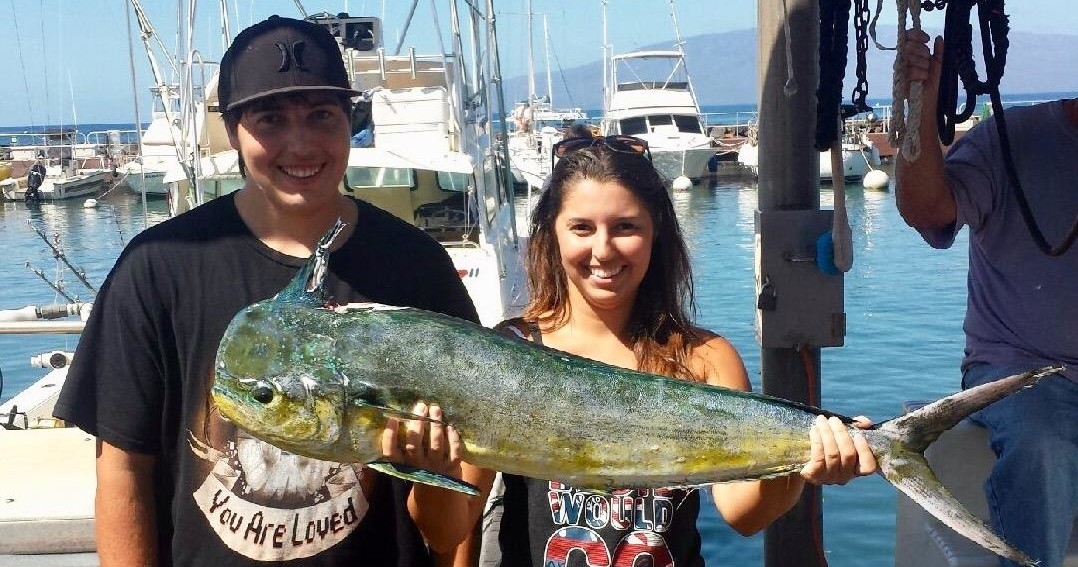
Why Volcano Is a Smart Base for Fishing on the Big Island
Volcano’s odd juxtaposition—a cool, misty highland town within easy driving distance of warm Pacific waters—creates a fishing itinerary that feels curated by chance. Spend dawn in the saddle of an ʻōhiʻa forest listening to birds, then drive 35–60 minutes downhill to salt spray and palms. For anglers, that means you can pair a short shore session at a quiet Puna pocket beach or a sunrise pier cast with a midmorning rainforest walk, returning for an afternoon charter off Hilo. The result is a travel pattern uncommon in many fishing destinations: freshwater and shoreline opportunities within a day’s loop that also include guided offshore options for pelagic species.
Fishing in the Volcano corridor is less about crowds and more about access. Hilo’s harbor supports a handful of reliable charter operators who run half- and full-day trips for bottom fishing, trolling, and the occasional blue-water chase. Closer to Volcano, small rocky points, black-sand beaches, and protected bays offer shore anglers the chance to target reef fish, ulua, and other nearshore species — often from short walks rather than long hikes. Because the island’s coastal ecosystems are active and sometimes fragile, many local operators emphasize selective harvesting, respectful shore use, and reef-aware techniques. That local ethic shapes the experience: excursions are often conversational—about marine life, currents, and where seasonal concentrations of fish show up—rather than purely transactional.
From a planning perspective, Volcano’s elevation and weather patterns are an advantage. Morning clouds and cooler temperatures at higher elevation mean comfortable early starts for anglers packing gear, and the drive to launch points is scenic and efficient. Seasonality still shapes outcomes: pelagic species tend to concentrate at different times of year, and trade-wind patterns can make certain launch windows preferable. Wind, swell, and post-storm runoff affect visibility and shoreline access, so a flexible schedule pays dividends. For anglers who enjoy combining experiences, Volcano is a place to mix surfcasting with birdwatching, reef snorkeling, and coastal hikes—crafting a day that answers both the urge to catch fish and the desire to taste place. Practical logistics—boat insurance, licensing questions for visitors, and gear transport—are simple to resolve with local charters or tackle shops in Hilo, which makes Volcano a low-friction hub for anglers who want both solitude and a route to productive water.
Finally, fishing around Volcano is about context as much as catch. The Big Island’s geology and currents create pockets of richness: lava-formed benches, sheltered bays, and shifting sandbars. Knowing when to chase a shoreline swell or when to book a morning charter can be the difference between a good day out and a great one. This guide is built to help you read those choices quickly: where to start, what to bring, and how to respect the rhythms of Hawaiian coastline so that your time on the cast feels as responsible as it is rewarding.
Volcano makes for an appealing base because it compresses travel time between upland trails and coastal launch points—pair a morning forest walk with an afternoon on the water without a long commute.
Local operators focus on small-group charters and shore-access knowledge; booking ahead is recommended during holiday windows and summer peaks.
The harbor is the gateway, and the Pacific becomes the classroom.
Respect for reef ecosystems and community fishing practices is central; many guides will teach hands-on techniques for reef-friendly angling and proper handling of your catch.
Choose by purpose
Whale watching, snorkeling, sunset sailing, cultural canoeing, harbor sightseeing, or private chartering.
Start near the city
Waikiki and Honolulu Harbor are primary hubs, with some trips launching near Hanauma Bay.
Confirm the vessel
Gangways, shaded seating, and boarding requirements vary according to vessel size and operator.