Top 6 Kayak Adventures from Volcano, Hawaii
Volcano Kayak Guide

Top 6 Kayak Adventures from Volcano, Hawaii

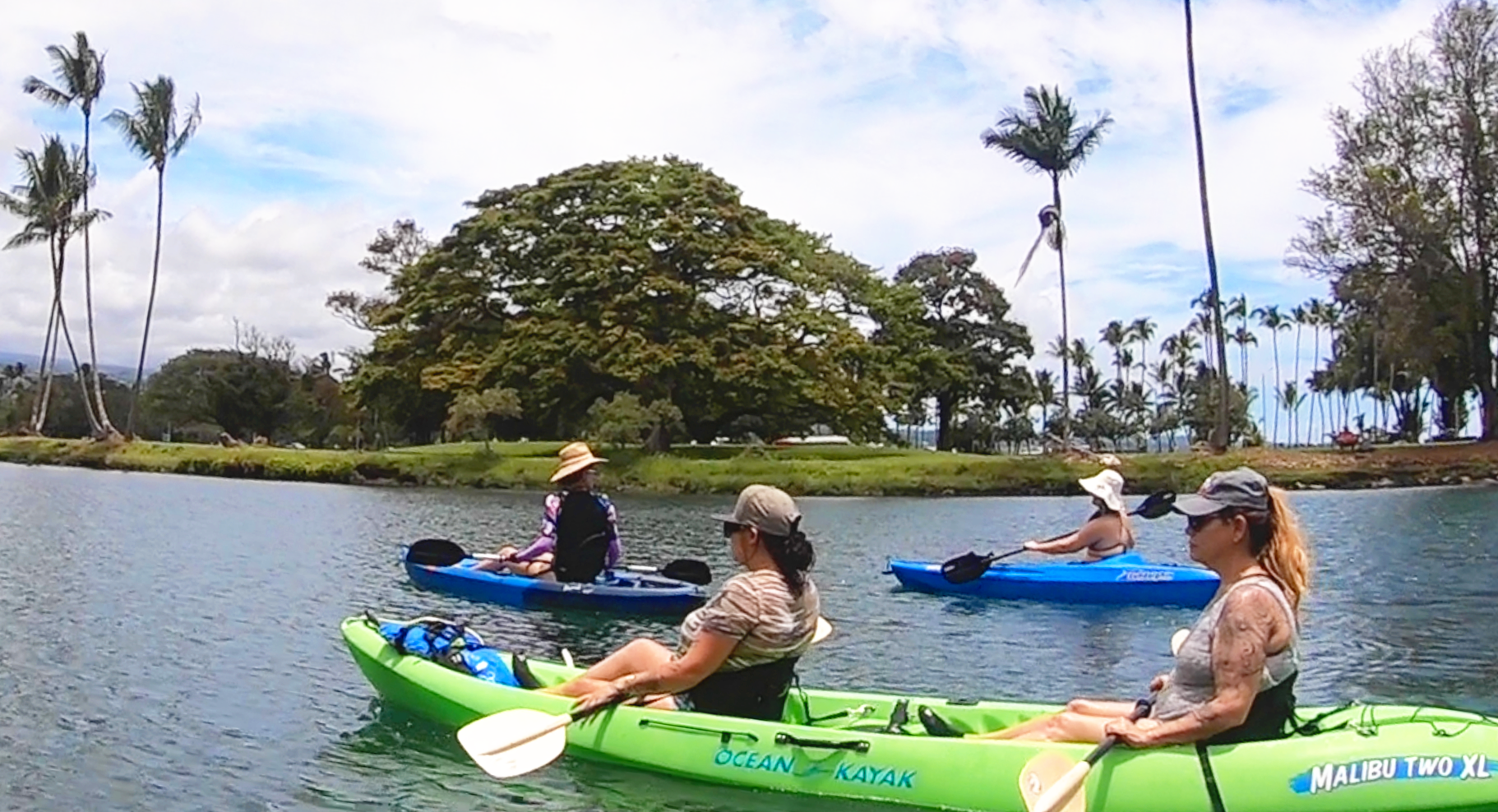
Perched on the cool, ferned slopes of Kīlauea, Volcano is an unlikely but superb launchpad for sea kayaking on Hawai‘i Island. Use the village as a basecamp: mornings in the rainforest and afternoons tracing lava-carved coastline, exploring calm bays, sea cliffs, and early-morning wildlife encounters.

Hilo BayPuna CoastKona Coast

Live destination inventory

Top Kayak Trips in Volcano

6 trips · Book with confidence · Instant confirmation

The prototype intentionally does not invent replacement trip cards or add images that are not already part of the live source page.

The city from the water

Why Volcano Is a Singular Base for Kayaking on the Big Island

Volcano village sits at an intersection where fern-draped forest, smoldering earth, and oceanic horizons belong to the same itinerary. That contrast—mossy trails in the shadow of Kīlauea by morning, salty wind in your face on an exposed sea arch by afternoon—defines kayaking from Volcano. The town itself is small and contemplative: a place where you can sip local coffee, pack a dry bag, and set out to paddle sections of coastline that were shaped by the same geologic forces that feed the national park. For paddlers, Volcano’s true asset is access. Within a reasonable drive are a handful of coastal launch points offering a patchwork of conditions: glassy bays suitable for flatwater exploration, narrow channels framed by lava cliffs that shelter seabird colonies, and open coastlines where swells and currents challenge navigation and reward advanced skills. The kayaking experience around Hawai‘i Island is both marine and cultural. The ocean here is a living archive—humpback whales seasonally migrate through offshore waters in winter, spinner dolphins skim nearshore, and reef fish color sheltered coves. For those curious about human history, the coastline is threaded with stories: ancient fishing practices, sacred shoreline sites, and a deep Hawaiian reverence for the sea that informs modern stewardship. Responsible paddlers honor those traditions by staying clear of protected cultural sites, practicing reef-safe sun care, and following local regulations that protect fragile coral and marine life. Practical travel from Volcano means thinking in half-days. Many paddles begin with an early drive down into Hilo or around the Puna coast to meet tidal windows and calmer morning seas; launches from the Kona side are possible for paddlers willing to commit to a longer drive. This rhythm—forest hike, coastal paddle—lets visitors taste two very different ecosystems in one day. Weather and sea state are decisive here: a blue-sky forecast inland can coincide with trade-wind-driven chop along exposed shores. That variability makes planning essential. Flatwater coves reward photographers and snorkelers, while sea-cave routes and lava-arch paddles require precise tide and swell planning and are best attempted with a partner or guide. Volcano is also a launchpad for complementary adventures. After a morning paddle, return to the uplands for hot springs, volcanic hiking, and crater viewpoints; or combine paddling with snorkeling, stand-up paddleboarding, and coastal birdwatching for a fuller sense of island life. Because the island’s microclimates shift rapidly, experienced paddlers prioritize layered clothing, reef-safe sunscreen, and an up-to-date sea forecast. For first-timers, guided kayaks provide local knowledge—on currents, exits, and culturally sensitive areas—while more seasoned paddlers will appreciate the opportunity to link sea lanes with backcountry camping and multi-day circumnavigation planning. Above all, kayaking from Volcano is about juxtaposition: the volcanic interior’s hush and the ocean’s vastness, a reminder that on Hawai‘i Island, adventure is often a short drive away.

Volcano acts as a strategic base—close enough for morning forest hikes and short drives to diverse coastal paddling zones, from sheltered bays to dramatic lava cliffs.

Sea conditions vary by coast and season: morning glass is common in sheltered inlets, while trade winds create afternoon chop along exposed shores; tide and swell planning are essential.

Activity focus

Choose by purpose

Whale watching, snorkeling, sunset sailing, cultural canoeing, harbor sightseeing, or private chartering.

Departure hubs

Start near the city

Waikiki and Honolulu Harbor are primary hubs, with some trips launching near Hanauma Bay.

Accessibility

Confirm the vessel

Gangways, shaded seating, and boarding requirements vary according to vessel size and operator.
Seasonal planning

Best Time to Visit

Volcano is warm year-round, but wind, swell, migration, visibility, and demand change the best match between traveler and trip.

Volcano boat tour
Year-round destination

Seasonal highlights change the reason to go

Winter favors humpback encounters; warmer, calmer months favor snorkeling visibility and smoother water.

Humpback season

Winter whale season and summer travel months see the highest visitor numbers at popular coastal sites and guided tours.

Prime whale watching, winter holidays, higher demand, and earlier sell-outs.

Snorkeling window

April–May–June–July–August–September–October

Typically gentler seas and clearer water for snorkeling trips.

Weather notes

Trade winds year-round

Spring through early fall typically delivers calmer sea states and lighter trade winds on many nearshore launch points. Winter brings larger swells and the humpback whale season (December–April), which is spectacular for sightings but can change local sea conditions.

Quieter opportunities

Late spring & summer weekdays

Shoulder months offer quieter launches and unique wildlife viewing; however, expect increased wind and occasional rougher water—ideal for experienced paddlers seeking solitude.

Match the trip to your comfort

Choose Your Experience Level

Low effort

Beginner

Calm, protected bays and short sheltered routes with easy launches and minimal exposure to open-ocean swell. Perfect for first-time sea kayakers or families.

  • Protected cove flatwater paddle and shoreline snorkeling
  • Short guided bay loop with beach landings
  • Calm estuary or harbor exploration
Active day trip

Intermediate

Longer coastal crossings, moderate currents, and routes that pass under lava cliffs or near small sea arches. Requires confidence with re-entry and basic navigation.

  • Coastal bay-to-bay link with tide planning
  • Lava-cliff approach and seabird colony viewing
  • Morning paddle combined with shoreline snorkeling stops
Longer or technical

Advanced

Exposed open-coast paddles, surf-zone launches and landings, sea-cave passages, and multi-mile crossings that demand strong boat handling, competent navigation, and conservative weather judgment.

  • Long open-coast crossing with current and swell management
  • Sea-cave and arch runs at favorable tide and swell windows
  • Multi-day coastal circumnavigation planning and expedition logistics

Prepare for sun, spray, and swell

What to Bring

Essential

Core kit

  • US Coast Guard–approved PFD (personal flotation device)
  • Dry bag for layers, electronics, and snacks
  • Reef-safe sunscreen and sun protection (hat, long-sleeve UV shirt)
  • Water and electrolyte snacks
  • Navigation device or smartphone with offline maps and a charged battery
Recommended

Useful extras

  • Spray skirt or day-hatch covers for ocean swells (sea kayaks)
  • Light wind shell and quick-dry layers for variable coastal weather
  • Reef booties or water shoes for rocky launches and re-entries
  • Towline and basic kayak repair kit
  • Whistle and waterproof VHF or personal locator beacon for remote paddles
Optional

Trip-specific

  • Mask and snorkel for in-cove exploration
  • Small dry-erase map notes or tide-chart printout
  • Camera with water housing or action camera
  • Binoculars for offshore whale or seabird watching
Check surf and tide forecasts, respect cultural sites, and always plan an exit strategy for variable ocean conditions.

Insider Tips & Local Knowledge

Reserve whale-watching and popular sunset cruises well ahead during December–April.
Choose morning snorkeling departures for calmer seas and better underwater visibility.
For motion sensitivity, choose a larger vessel, sit mid-ship, and take preventative medication before boarding.
Do not touch coral or wildlife, avoid standing on reefs, and use reef-safe sunscreen.
Community-based operators may add context about traditional navigation and stewardship.
Arrive early for parking and check-in because Waikiki departure areas can be busy.

Planning questions

Frequently Asked Questions

Most public shore launches do not require special permits, but certain protected marine areas, cultural sites, or shorelines may have restrictions or require permits for landing. Always check local regulations and marine sanctuary rules before planning a launch.
Top 6 Kayak Adventures from Volcano, Hawaii
Ready for your kayak adventure?

Browse 6 verified trips in Volcano.

Compare current availability and book with instant confirmation.

Explore Volcano kayak