Scuba in Waianae: West Oahu's Rugged Reefs & Bluewater Dives
Waianae Scuba Guide

Scuba in Waianae: West Oahu's Rugged Reefs & Bluewater Dives

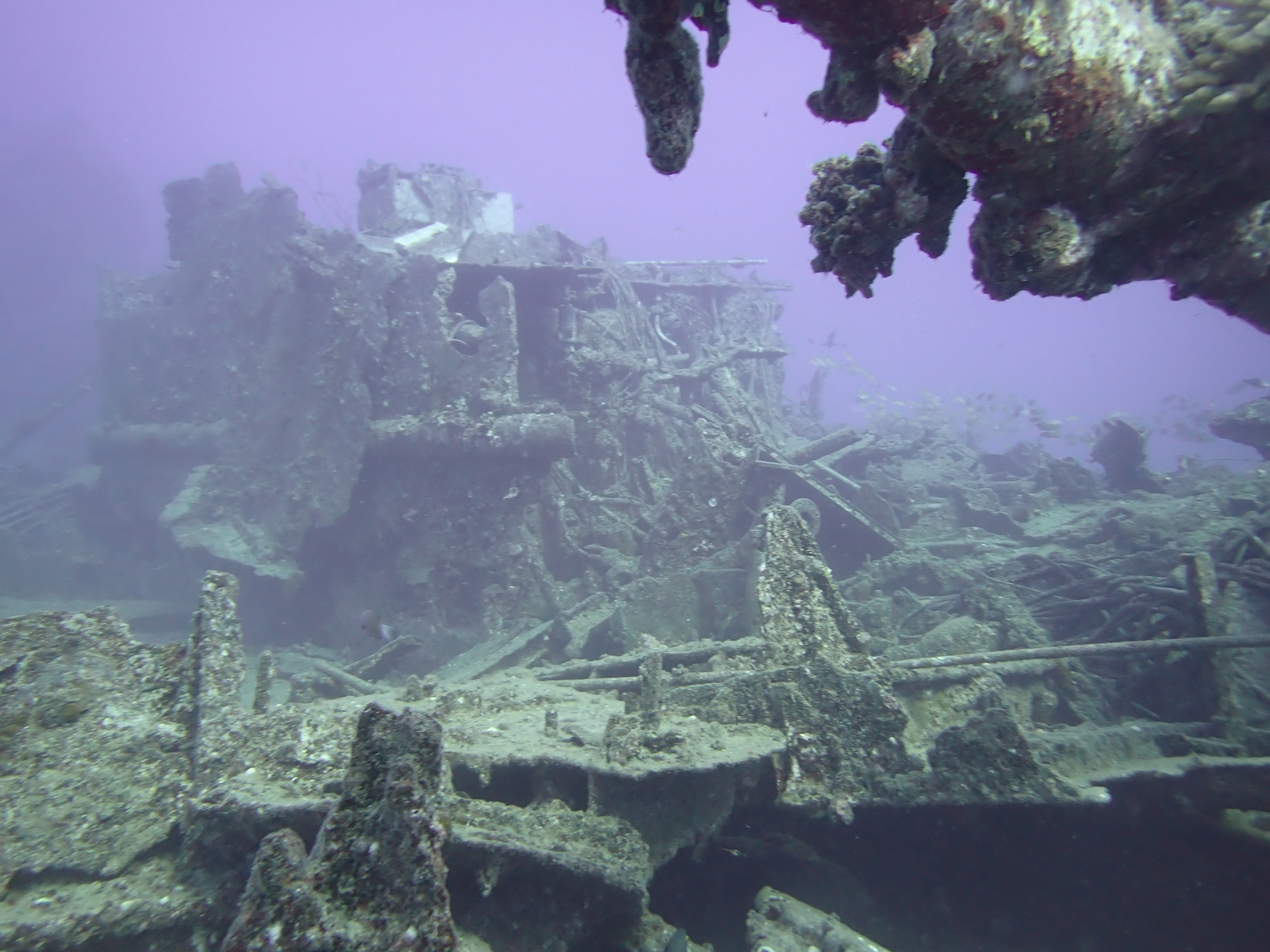
Waianae’s coast feels like the island’s weathered edge—raw lava ridgelines falling into warm Pacific blue, reef gardens threaded with swim-throughs, and offshore shelves where open-ocean visitors ghost past. Scuba here is a mix of sheltered reef dives for beginners and technical bluewater or drift outings that reward confident divers with turtles, reef sharks, schooling jacks, and seasonal visitors offshore. Local operators run shore, boat, and specialty dives that pair well with snorkeling, freediving, surf breaks at Makaha, and the coastal hikes to Kaʻena Point. The vibe is less polished tourist corridor and more island workaday: knowledgeable captains, tight local knowledge about currents and moorings, and dive sites shaped by lava flows rather than coral atolls.

Leeward OahuKaʻena PointMakahaLava Reefs & Sea Caves

Live destination inventory

Top Scuba Trips in Waianae

141 trips · Book with confidence · Instant confirmation

The prototype intentionally does not invent replacement trip cards or add images that are not already part of the live source page.

The city from the water

Why Waianae Is a Distinct Scuba Destination

There’s a tactile honesty to Waianae diving: the coastline is sculpted by lava, and the marine landscape follows. Instead of the classic Hawaiian lagoon-ring reef you might picture, Waianae’s underwater topography is a stitched collage of lava shelves, irregular bommies, vertical walls, and pockets of sand that channel currents and life in dramatic ways. On a single dive you can thread a shallow reef garden thick with butterflyfish and cleaning wrasse, then drop along a shelf to follow schools of trevally blasting across deeper blue. Culturally the west side carries its own cadence. The towns along Farrington Highway are working communities with deep ties to fishing, ancestral land stewardship, and unwinding evenings. Local captains and instructors often share Hawaiian place names and fishing lore that give context to the dives—how seasonal currents bring baitfish, where turtle cleaning stations cluster, and which stretches of coast are watched for humpback whales in the winter months. That local knowledge is practical, too: currents around headlands and the offshore shelf can change quickly, and landing a shore dive along the lava coastline is as much about timing swell and winds as it is about being soft on the reef. From a visitor’s perspective Waianae is also comparatively uncrowded. While Oahu’s south shore hosts heavy day-trip traffic, the leeward edge rewards anyone willing to cross the island or take a longer drive with calmer anchorages, mooring-supported boat dives, and shore-entry sites that feel like private access. Divers here will find a pleasing range of experiences: protected shallow reefs for newly certified divers and families, cavern and sea-cave features for the curious, and open bluewater or drift routes that require broader experience but deliver big encounters. Seasonal variability—visibility peaks, plankton blooms, and occasional north swells—keeps each dive different, and conservation-minded operators emphasize respectful behavior around turtles, monk seals where present, and fragile coral patches. Practically speaking, Waianae is a great base for combining activities: surface sessions of snorkeling and freediving in the same coves, shoreline hikes to Kaʻena Point Natural Area Reserve (with its marine reserve shoreline), and classic west-side surf at Makaha. For travelers who want a diving trip with a strong sense of place—where marine science, island history, and everyday local life converge underwater—Waianae delivers an honest, rewarding experience that leans on skillful local guides rather than spectacle.

Diverse terrain: lava shelves, vertical drop-offs, shallow reef gardens, sea caves, and sand channels make for varied dive profiles.

Marine life highlights: green sea turtles (honu), reef sharks, schooling pelagics, moray eels, and seasonal offshore visitors; winter brings humpback whales offshore.

The harbor is the gateway, and the Pacific becomes the classroom.

Local operators: small boats, moorings, and experienced captains with intimate knowledge of currents and site-specific hazards.

Conservation context: parts of the northwest coast near Kaʻena Point are protected—observe no-touch policies and ask about local seasonal restrictions.
Activity focus

Choose by purpose

Whale watching, snorkeling, sunset sailing, cultural canoeing, harbor sightseeing, or private chartering.

Departure hubs

Start near the city

Waikiki and Honolulu Harbor are primary hubs, with some trips launching near Hanauma Bay.

Accessibility

Confirm the vessel

Gangways, shaded seating, and boarding requirements vary according to vessel size and operator.

Seasonal planning

Best Time to Visit

Waianae is warm year-round, but wind, swell, migration, visibility, and demand change the best match between traveler and trip.

Waianae boat tour
Year-round destination

Seasonal highlights change the reason to go

Winter favors humpback encounters; warmer, calmer months favor snorkeling visibility and smoother water.

Humpback season

Summer months for best visibility and calmer water; winter sees more seasonal marine megafauna offshore.

Prime whale watching, winter holidays, higher demand, and earlier sell-outs.

Snorkeling window

May–June–July–August–September

Typically gentler seas and clearer water for snorkeling trips.

Weather notes

Trade winds year-round

Waianae’s leeward position generally offers calmer seas and sunnier weather, but local winds and occasional north or northwest swells can affect specific sites. Summer months typically bring the clearest water and calmer surface conditions; winter storms can reduce visibility and increase surge at exposed shore entries.

Quieter opportunities

Late spring & summer weekdays

Winter and shoulder seasons can offer dramatic pelagic encounters and fewer crowds, but select sites will be more exposed—book with operators who monitor conditions.

Match the trip to your comfort

Choose Your Experience Level

Low effort

Beginner

Protected reefs and shallow sand channels close to shore with modest currents—ideal for newly certified divers or guided check-outs.

  • Shallow reef fish garden with gentle profiles
  • Discover-scuba sessions from a protected cove
  • Guided snorkeling-to-dive conversions
Active day trip

Intermediate

Boat dives to mid-depth reefs, swims along lava-formed walls, and less sheltered shore entries that require solid buoyancy and surface-skill comfort.

  • Bommie and ledge dives from small boats
  • Drift-assisted shore dives around headlands
  • Cavern swims and sand channel exploration
Longer or technical

Advanced

Bluewater outings, stronger drift dives, deeper shelves, and technical entry/exit sites where current and surge require experience and team planning.

  • Open-ocean pelagic watches and deep shelf dives
  • Drift dives with active current
  • Night dives or deeper bluewater explorations (with appropriate training)

Prepare for sun, spray, and swell

What to Bring

Essential

Core kit

  • Certification card and dive log (digital or physical)
  • Mask, snorkel, fins (if you prefer your own)
  • Personal dive computer or timing device
  • Surface marker buoy/SMB and whistle
  • Light exposure protection (rashguard/shorty or 3mm wetsuit depending on comfort)
Recommended

Useful extras

  • Booties for rocky shore entries, gloves if doing lava-rock shore dives (check local rules)
  • Dive light for crevice work and dusk/night dives
  • Reef-safe sunscreen (mineral-based) and sun protection for surface intervals
  • Small repair kit for personal gear (mask straps, fin straps)
Optional

Trip-specific

  • Underwater camera or action camera with wide-angle lens
  • Spare mask and O-rings
  • Surface float or lightweight reef hook for extended surface swims
Respect local rules, marine-protected zones, and the cultural practices of the Waianae Coast; always follow your operator’s safety briefings.

Insider Tips & Local Knowledge

Reserve whale-watching and popular sunset cruises well ahead during December–April.
Choose morning snorkeling departures for calmer seas and better underwater visibility.
For motion sensitivity, choose a larger vessel, sit mid-ship, and take preventative medication before boarding.
Do not touch coral or wildlife, avoid standing on reefs, and use reef-safe sunscreen.
Community-based operators may add context about traditional navigation and stewardship.
Arrive early for parking and check-in because Waikiki departure areas can be busy.

Planning questions

Frequently Asked Questions

Yes. Most guided boat and shore dives require an Open Water certification at minimum. Intro dives or discover-scuba experiences are available through local operators for non-certified guests.
Scuba in Waianae: West Oahu's Rugged Reefs & Bluewater Dives
Ready for your scuba adventure?

Browse 141 verified trips in Waianae.

Compare current availability and book with instant confirmation.

Explore Waianae scuba